Brand: MADE IN INDIA (Made in India)
SPRINKLER LINK PIPE 75mm REGULAR
Dhani Enterprises
Short Description
The provided query lists specifications for agricultural High-Density Polyethylene (HDPE) sprinkler link pipes and fittings with a nominal outer diameter of 75mm (approximately 2.5 inches)
Key Specifications
- Brand: MADE IN INDIA
- Machine Weight: 3.1 kg and 5.0 kg per 6-metre length
Features & Benefits
- High-Density Polyethylene (HDPE) Body: Built from premium PE 80 or PE 100 grade raw materials.
- UV Stabilization: Extruded with carbon black additives to prevent degradation.
- High strength-to-weight ratio: Highly flexible, allowing it to withstand shifting soil, accidental field traffic, and rough dragging over uneven terrain without bursting.
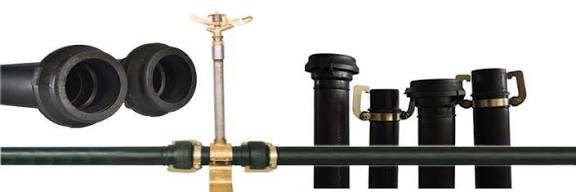
- Quick-Coupling Link Mechanism: Features a tool-free latch system that allows workers to swiftly connect.
- Leakproof Sealing: Fitted with high-grade internal rubber rings that expand under water pressure.
- Optimal Flow Dynamics: The ultra-smooth inner surface minimizes friction losses, maximizing water.
Description
The 75mm regular sprinkler link pipe is a premium, high-density polyethylene (HDPE) irrigation solution engineered specifically to streamline water transport across demanding agricultural fields, commercial landscapes, and localized orchards.Constructed using robust, impact-resistant raw materials like PE 80 or PE 100, this 2.5-inch diameter line functions perfectly as a durable mainline or flexible sub-main pipeline, handling standard operating pressures starting from 2.5 kg/cm² without cracking or bursting. Its most defining characteristic is the integrated quick-coupling link mechanism, which utilises tight-sealing internal rubber rings and heavy-duty latch clamps to create a robust, leakproof joint that requires zero tools to assemble. This lightweight yet highly resilient design stands up effortlessly to harsh ultraviolet (UV) sunlight and rough field dragging, allowing farmers to quickly deploy, dismantle, or reconfigure entire sprinkler networks as crops change throughout the shifting growing seasons.