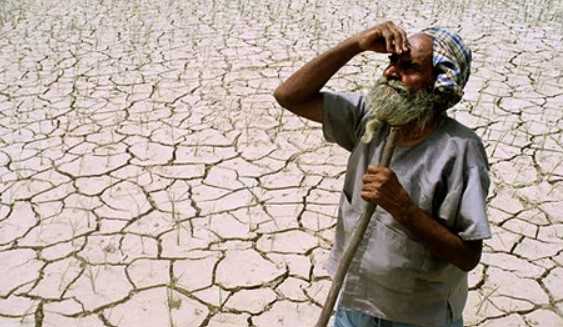
Defeating the Unpredictable: How AI is Helping Farmers Outsmart Drought
For generations, farmers have relied on an invisible toolkit—years of experience, seasonal rhythms, and instinct—to guess when a dry spell might hit. But climate change has rewritten the rules. Weather patterns that used to be predictable are now highly erratic, turning farming into a risky gamble.
When a drought strikes unexpectedly, it doesn't just mean a lack of rain; it triggers a chain reaction of weak crop growth, skyrocketing electricity and water bills, and months of exhausting manual labor suddenly evaporating into losses.
Fortunately, Artificial Intelligence (AI) and Machine Learning (ML) are stepping in to help farmers shift from reacting to disasters to actively outsmarting them.
How AI Spots What the Human Eye Misses
Drought is a slow-onset disaster. By the time you notice cracks in the soil or yellowing leaves, the damage to the root system is often already done. AI changes the game by analyzing massive amounts of data simultaneously:
-
Historical Weather Patterns: Looking at decades of regional climate records.
-
Live Environmental Metrics: Keeping continuous tabs on daily temperatures, sudden humidity drops, and fluctuating rainfall amounts.
-
The Smart Edge: Instead of looking at these factors in isolation, AI connects the dots to flag invisible environmental trends, giving farmers an automated early warning system.
The Three Tech Layers Protecting the Field
Modern agricultural AI doesn't work in a vacuum. It relies on a combination of space-age imagery and boots-on-the-ground hardware to build a bulletproof prediction model.
1. Machine Learning Pattern Recognition
Think of machine learning as an experienced digital farmer. By studying exactly how severe droughts developed in previous decades, the algorithm compares those exact historical triggers with today's live conditions to calculate the probability of a repeat event.
2. Satellite Surveillance from Above
Satellites hovering in orbit capture structural and color variations in fields across entire regions. Using advanced image analysis, AI can flag when crops are beginning to experience minor moisture stress—often weeks before a farmer would ever notice anything wrong from the ground.
3. Real-Time Ground Sensors
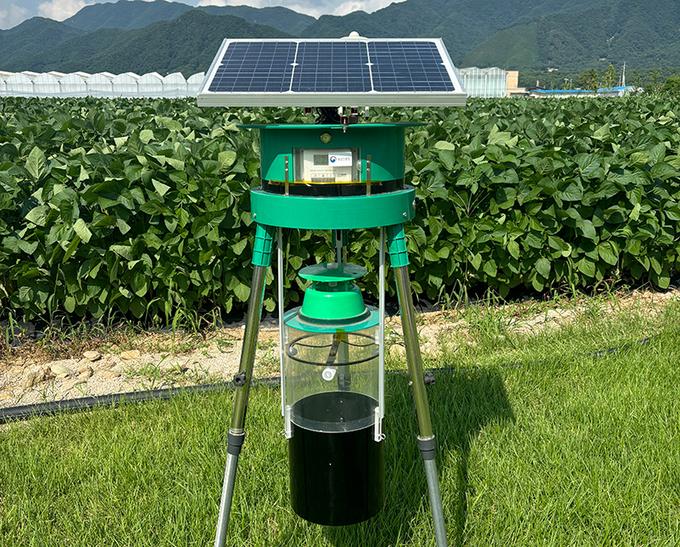
Internet of Things (IoT) soil sensors placed directly in the soil provide the final, hyper-local piece of the puzzle. They measure real-time moisture at the root level throughout the day. When the AI mixes this live ground data with regional weather forecasts, it can pinpoint precisely when a specific field will face a critical water deficit.
Real-World Impact & Everyday Challenges
The benefits of AI drought forecasting are transforming modern farm management:
-
Proactive Planning: Instead of losing a crop, farmers can adjust their planting dates, switch to drought-resistant seed varieties, or organize precision irrigation credits before the ground dries up.
-
Resource Optimization: Water and electricity are used strictly when and where needed, protecting local borewells and reducing utility costs.
The Infrastructure Hurdle: While the technology is advancing rapidly, real-world adoption still faces roadblocks. Many rural regions face limited internet connectivity, and setting up high-tech sensor networks requires an upfront investment.
A Smarter, More Resilient Future
Artificial intelligence cannot make it rain. However, in modern agriculture, having highly accurate, localized knowledge a month in advance is just as valuable as the rainfall itself. By removing the guesswork from weather patterns, smart tools are ensuring that farmers can protect their livelihoods, maximize resources, and secure our food systems even in the face of a changing climate.
To learn more about how remote sensing and data science models are built to map out these environmental risks, you can watch this step-by-step guide on Drought Monitoring Using Machine Learning & Remote Sensing. This video breaks down how satellite indices like vegetation and soil moisture metrics are combined with machine learning algorithms to create highly accurate hazard maps.