.jpg)
For horticulture farmers growing high-value fruits and vegetables, the tiniest enemies are often the most devastating. Hidden flying pests like whiteflies, thrips, and fruit flies can invade an orchard or vegetable plot entirely unnoticed. Because they are so small and hide beneath leaves, farmers often don't realize there is a problem until the leaves begin to yellow, the fruits are ruined, and market revenues plummet.
Traditionally, the panic response has been to saturate the crops with heavy, expensive chemical pesticides. However, this creates a dangerous cycle: it drives up input costs, leaves chemical residues on fresh fruits, and can kill off the helpful predatory insects that naturally keep pest populations in check.
To break this cycle, modern sustainable agriculture is leaning into simple, brilliant physics. By using Biomimetic Color Attractants and weather-resistant adhesive networks, farmers can now trap and manage destructive pests automatically, keeping their food pure and their pockets full.
The Science of Attraction: What Is Biomimetic Trapping?
Insects don't navigate the world the same way humans do; they are hardwired to respond to very specific visual stimuli. "Biomimetic" means copying nature. Agricultural innovators have figured out the exact visual frequencies—specifically unique shades of yellow and blue—that mimic the healthy, succulent plant tissue or pollen zones that pests are genetically driven to seek out.
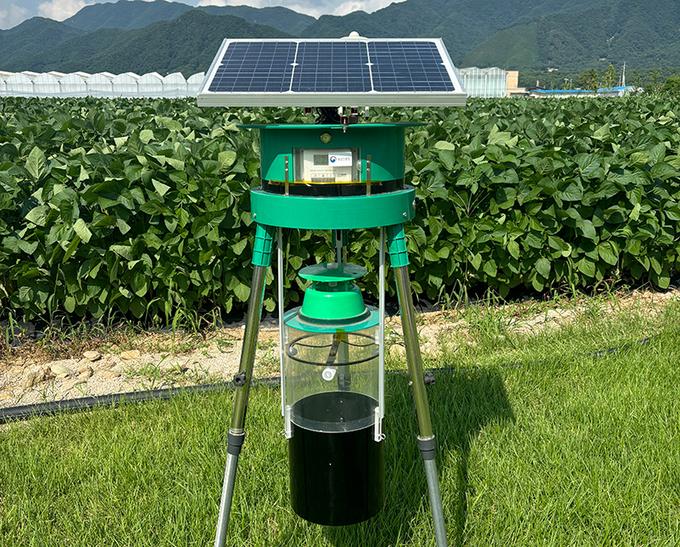
By pairing these highly targeted color spectrums with advanced, industrial-strength adhesives, tools like the Indo Agritech Smart Glue Trap system allow farmers to set up an automated perimeter defense grid across their fields.
How the System Works in the Field
Deploying this low-cost system is straightforward and requires no complex training or electrical power:
-
The Color Split: The kit utilizes two distinct color zones to filter out different pest varieties:
-
Yellow Bags: Highly attractive to whiteflies, aphids, leaf miners, and fungus gnats.
-
Blue Bags: Specially tuned to attract thrips, which are notoriously immune to many standard yellow traps.
-
-
The Smart Adhesive Layer: Farmers utilize weather-resistant glue (such as the Indo Agritech 250 ml specialized glue solution) to coat the high-visibility $250 \times 180\text{ mm}$ bags. This non-drying, UV-resistant formula stays sticky through intense summer heat and torrential monsoon rains without washing away or losing its grip.
-
Passive, Constant Elimination: Hung at the crop canopy level, the traps work 24/7. Pests fly straight toward the colors, stick instantly to the surface, and are removed from the breeding cycle without a single drop of chemical touching the actual produce.
Key Benefits for Smallholder Farmers
Switching from heavy chemical spraying to physical, biomimetic trapping introduces immense advantages to localized agricultural systems:
-
True Residue-Free Farming: Because no chemical poisons are sprayed directly onto the fruits or vegetables, farmers can easily qualify for premium organic grading, allowing them to sell their harvest at significantly higher market prices.
-
Early Warning System: Beyond acting as a mass trapping tool, these sticky arrays serve as an excellent field mirror. By checking the bags weekly, a farmer can see exactly which pests have arrived in the field long before a full-blown outbreak happens, enabling quick, localized action.
-
Protects Beneficial Insects: Larger, helpful pollinators like honeybees and predatory ladybugs are generally not attracted to these specific monochromatic spectrums, ensuring that nature’s natural ecosystem balances remain protected.
-
Incredible Cost Efficiency: Compared to purchasing expensive chemical barrels season after season, a single investment in long-lasting glue kits and color sheets provides multi-month protection at a fraction of the operational cost.
Low-cost automated insect trapping proves that smart farming doesn't always require expensive digital sensors or automated robotics. By understanding the primal biological behaviors of agricultural pests, we can design simple, elegant solutions that work alongside nature rather than fighting against it.
The future of crop defense is clean, it is incredibly affordable, and it lets the pests eliminate themselves while your harvest thrives.