How the Co-Culture System Works
The brilliance of floating hydroponic rice lies in its closed-loop, symbiotic design. Instead of competing for land and water resources, aquaculture and crop cultivation work together seamlessly to maximize efficiency.
1. High-Density Floating Rafts
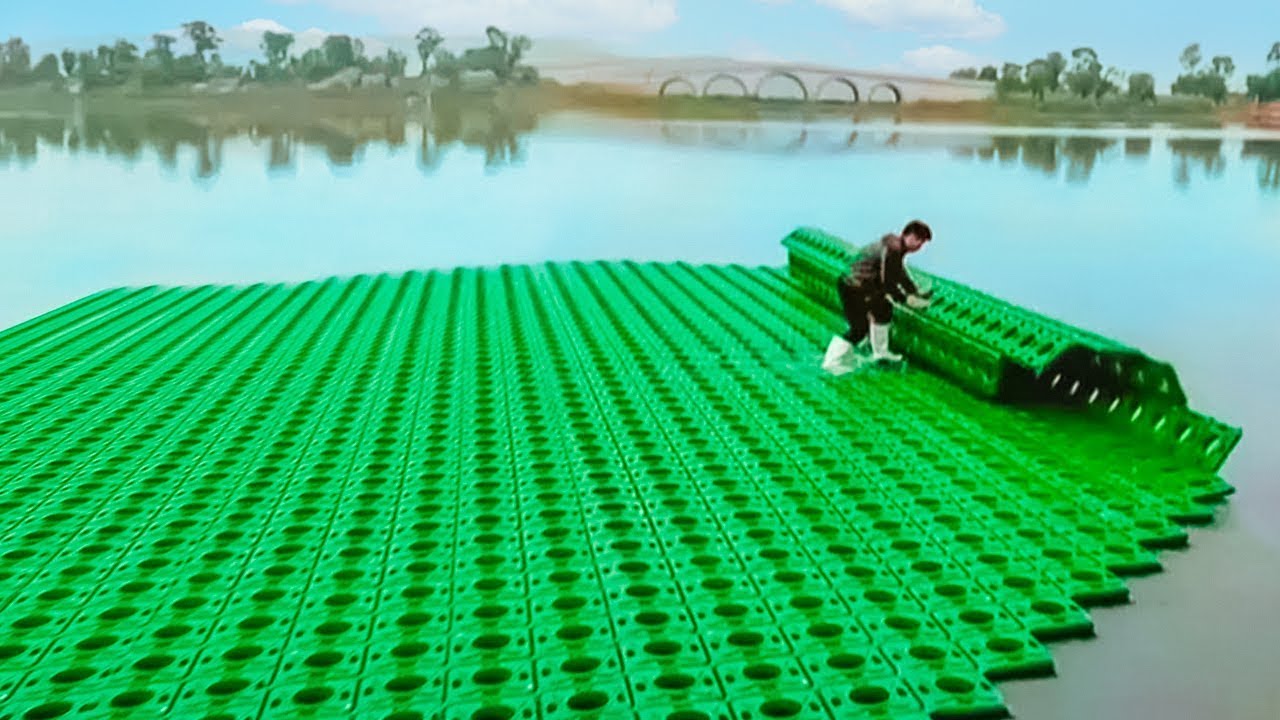
The physical foundation of this system relies on lightweight, floating platforms. Seedlings are nestled into specialized, high-density, sterilized materials (such as extruded polystyrene, or XPS boards). These rafts float across the pond surface with designated cutouts, allowing the rice root systems to hang directly down into the open water column to extract nutrients without any soil.
2. The Rice-Fish Symbiosis (Co-Culture)
Once the roots mature under the rafts, they create a thriving ecosystem. The underwater root mass acts as a natural biological filter, actively absorbing excess nitrogen, phosphorus, and organic waste produced by the fish. In return, the fish feed on incoming crop pests and provide continuous, natural fertilization through their excrement.
3. Water Column Optimization
Because the floating rafts shade the water below, they regulate pond temperatures and limit aggressive algae blooms. This natural canopy blocks excessive sunlight, preventing toxic algae spikes and creating a much healthier, high-oxygen environment for the fish population below.
Yields and Production Capacity
Transitioning to a soil-free, aquatic environment does not slow down the crop's natural life cycle. The harvest timeline for floating hydroponic setups remains entirely on par with traditional muddy paddy fields while offering unique environmental protections.
-
Average Yields: The system reliably yields roughly 350 kg per acre of clean, organic rice.
-
Multi-Crop Efficiency: Because the water environment features highly stable ambient temperatures and a constant supply of dissolved nutrients, managed setups can comfortably support two to three distinct rice harvests annually.
By removing the need for synthetic chemical fertilizers, minimizing pesticide reliance, and eliminating intensive soil tilling, this floating co-culture model offers a highly profitable, climate-resilient blueprint for modern food production.