The Science of the Mist: How It Works
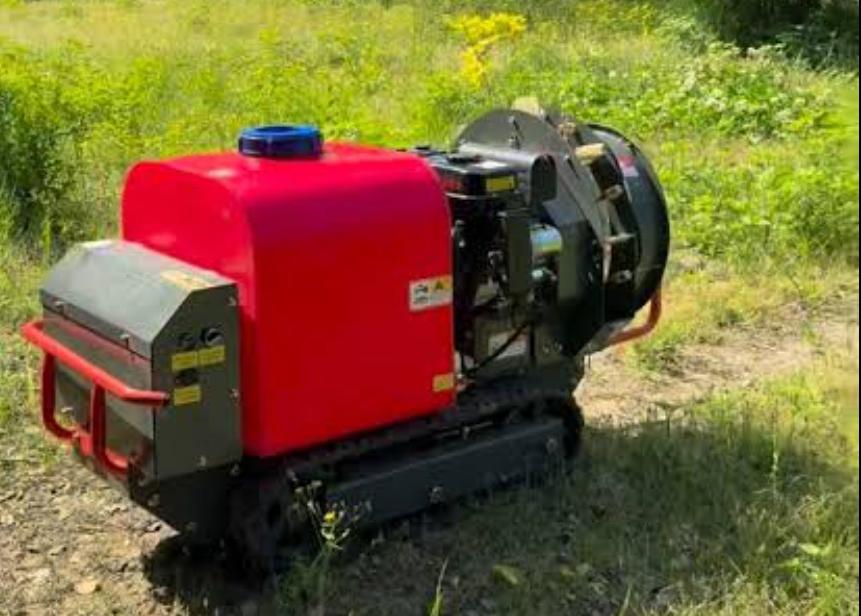
Traditional liquid sprayers push heavy water droplets that fall straight down, frequently missing the undersides of leaves or failing to penetrate thick tree canopies. Agricultural fogging solves this through specialized mechanical design:
-
Micro-Droplet Penetration: The machine atomizes the liquid solution into microscopic droplets, creating a light, fog-like vapor. Because these particles are incredibly light, they remain suspended in the air longer.
-
Total Canopy Coverage: As the fog drifts, it behaves like a gas. It curls around branches, floats underneath dense foliage, and penetrates deep into hidden parts of the plant structure that traditional boom sprayers simply cannot reach.
-
Resource Efficiency: By breaking down the active chemical into a fine mist, farmers can cover massive surface areas quickly and uniformly using a fraction of the water required by traditional soaking methods.
Global Impact and Agricultural Efficiency
Widely deployed in high-output agricultural regions like China, this tech plays a critical role in modern large-scale farming. It is particularly effective in fruit orchards, dense vegetable plantations, and greenhouse operations where structural barriers make standard tractor-spraying inefficient.
By drastically minimizing crop damage and improving overall yields, thermal fogging ensures that no section of the field is left vulnerable. It represents a major leap forward in precision agriculture—marrying technical innovation with practical farm management to protect investments and support global food production safely and sustainably.