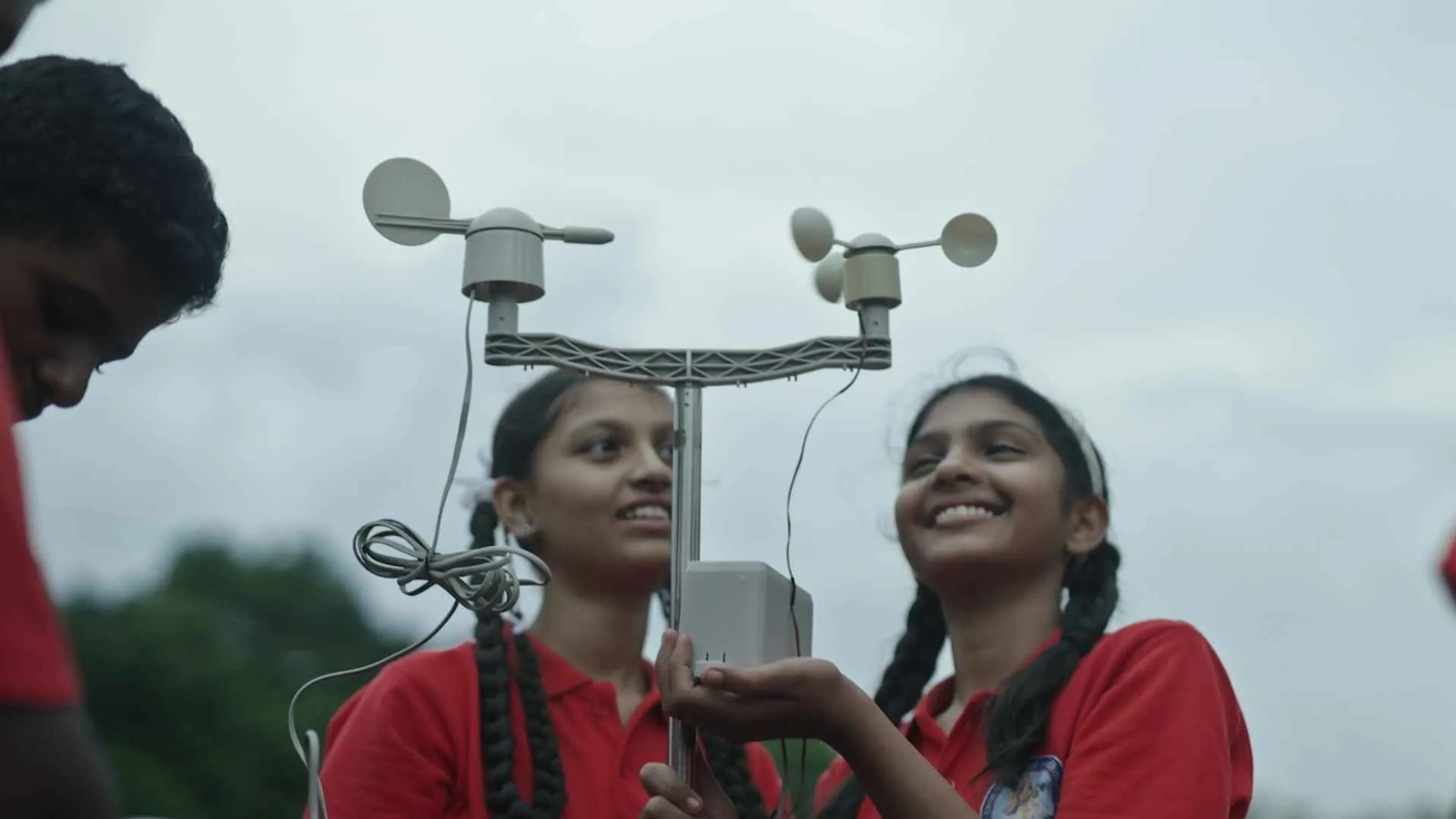
How Village Students Built a Low-Cost Weather Station to Help Farmers
In a small village in Maharashtra, a group of Class 8 students has shown how simple ideas can create powerful change in agriculture.
With the support of Amazon’s Future Engineer program and the Pi Jam Foundation, these students built a low-cost weather station to help farmers deal with unpredictable climate conditions.
The Problem Farmers Face
Farmers in rural India often struggle with extreme weather conditions like heatwaves, heavy rains, and floods.
The biggest challenge is uncertainty — they don’t know what the weather will be like in the coming days.
Because of this:
*Crops get damaged unexpectedly
*Farmers face financial losses
*Planning agricultural activities becomes difficult
A Simple Yet Powerful Idea
The students realized that if farmers could get early weather information, they could better prepare their fields and protect their crops.
This led to a simple question:
Why not build our own weather station?
How the Students Built It
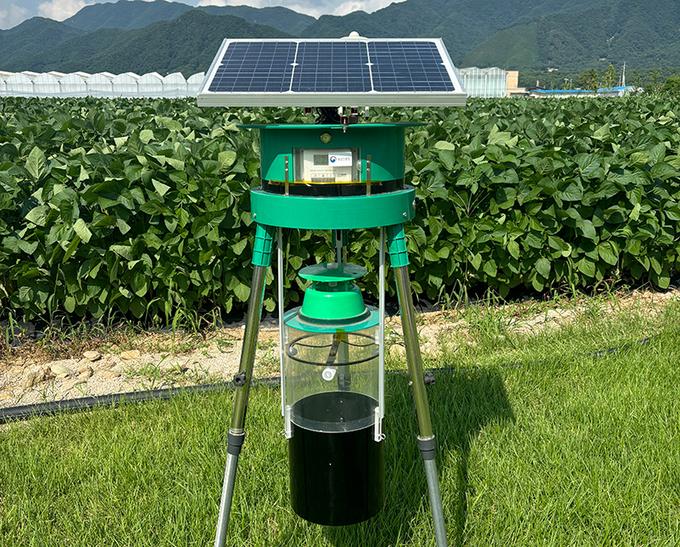
Using the resources available in their school’s Amazon Future Engineer (AFE) Lab, the students created a weather monitoring system with:
Raspberry Pi (a small computer)
Sensors to measure:
*Temperature
*Humidity
*Air pressure
*Wind speed
They also learned basic coding to make the system collect and display data.
Learning by Doing
*Instead of just studying science concepts in books, the students:
*Applied real knowledge in a practical way
*Learned problem-solving and teamwork
*Understood how technology can solve real-life problems
*With guidance from mentors, they completed the project within a month.
How It Helps Farmers
This weather station provides farmers with timely weather updates, helping them:
*Plan irrigation and harvesting
*Protect crops from extreme conditions
*Reduce crop losses
Make better farming decisions
A Big Change in Rural Education
Earlier, students in rural schools had limited access to technology.
But with AFE Labs:
*Students can code, build, and innovate
*They work on real-world problems
*Learning becomes practical and meaningful
The Bigger Vision
This initiative is not just about one device.
It’s about:
*Bringing technology to villages
*Encouraging young innovators
*Empowering farmers with data-driven decisions
Conclusion
This inspiring story proves that innovation doesn’t always need big resources — just the right idea and guidance.
SOURCE: Better India