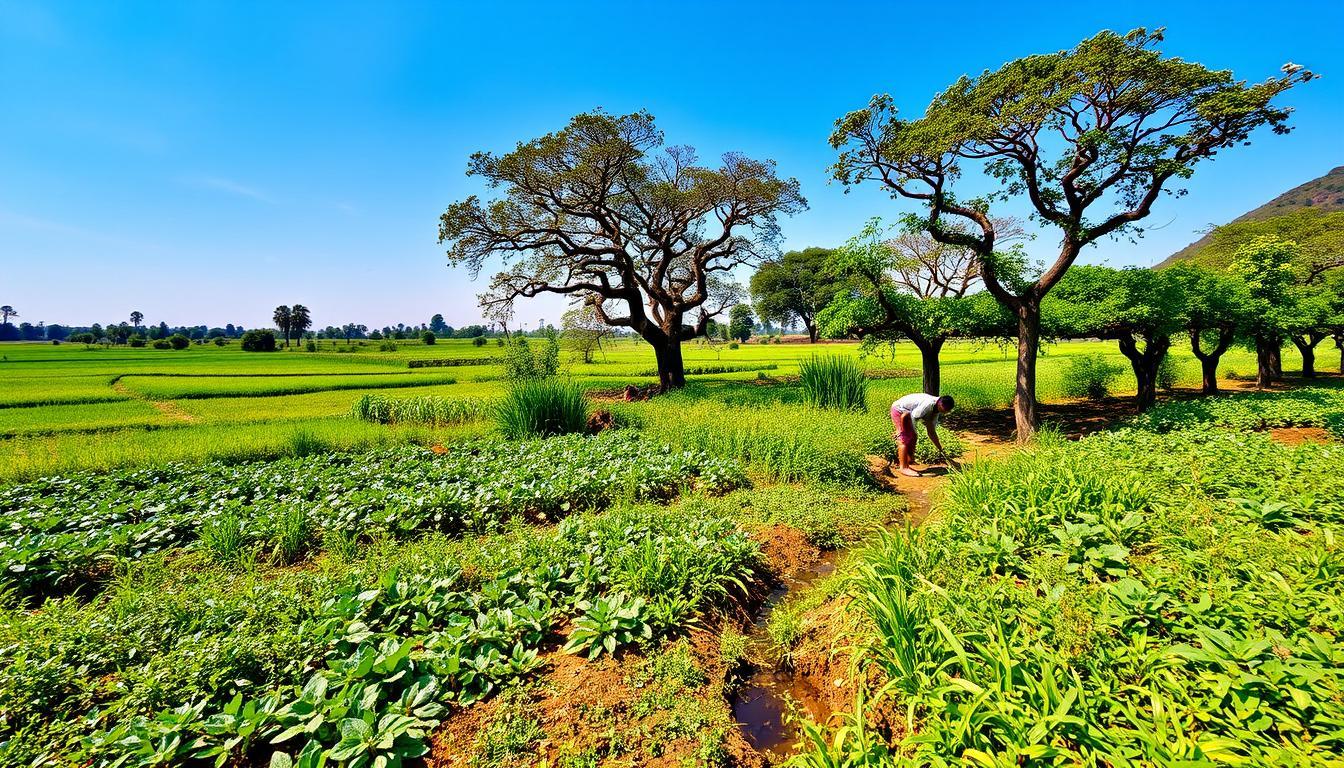
The organic farming revolution is transforming agriculture across India and the world. Farmers are increasingly moving away from chemical-based farming and adopting natural methods that are safer for the environment, consumers, and future generations.
Organic farming focuses on growing crops without synthetic fertilizers, pesticides, or genetically modified organisms. Instead, it uses natural inputs like compost, green manure, bio-fertilizers, and organic pest control methods. This approach improves soil health and ensures long-term sustainability.
One of the main reasons behind the rise of organic farming is the growing awareness about health. Consumers today prefer chemical-free food, which has increased the demand for organic products. This demand is encouraging farmers to shift towards organic practices.
Another major benefit of organic farming is improved soil fertility. Continuous use of chemical fertilizers reduces soil quality over time. Organic methods, on the other hand, enhance soil structure, increase microbial activity, and retain moisture, making the land more productive in the long run.
Organic farming is also environmentally friendly. It reduces pollution, conserves water, and protects biodiversity. By avoiding harmful chemicals, farmers help maintain ecological balance and reduce the impact of agriculture on climate change.
There are several methods used in organic farming. Crop rotation is one of the most common techniques, where different crops are grown in sequence to maintain soil nutrients. Composting is another important method that converts organic waste into natural fertilizer. Biological pest control uses natural predators to manage pests without chemicals.
In India, natural farming methods like Zero Budget Natural Farming (ZBNF) are gaining popularity. These methods reduce input costs and increase farmers’ profitability. States like Andhra Pradesh have already taken major steps in promoting organic and natural farming practices.
Despite its advantages, organic farming also comes with challenges. The initial transition period can be difficult, as yields may decrease temporarily. Farmers also need proper knowledge and training to adopt organic methods effectively. Certification processes and market access can sometimes be complicated.
However, with government support, awareness programs, and increasing market demand, these challenges are gradually being addressed. Many farmers are now successfully adopting organic farming and earning better profits by selling premium-quality produce.
The future of organic farming looks promising. As more consumers choose healthy and sustainable food, the demand for organic products will continue to grow. This creates new opportunities for farmers to increase their income while protecting the environment.
The organic farming revolution is not just a trend — it is a necessary step towards sustainable agriculture. By adopting organic practices, farmers can ensure better health for people, improve soil quality, and secure a greener future for the next generations.
If you are a farmer looking to transition into organic farming, now is the right time to start. Small changes today can lead to big benefits tomorrow.