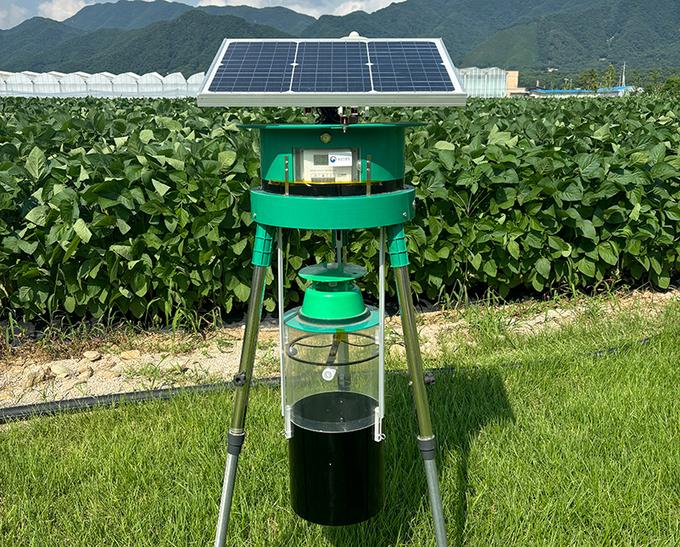
Modern innovations in computing and expanding information technologies are revolutionizing crop pest monitoring and field management. The availability of wireless sensors, artificial intelligence (AI), machine learning, computer vision, and affordable internet connectivity gives farmers powerful new tools for early pest detection and precise field surveillance.
How Smart Pest Traps Work:
-
Real-Time Camera Monitoring: Solar-powered smart traps equipped with high-resolution cameras capture images of captured insects automatically.
-
AI & Image Recognition: Integrated computer vision models identify insect species and count pest population density in real time.
-
Immediate Mobile Alerts: Data is transmitted to cloud servers, sending timely notifications directly to farmers' smartphones.
Key Benefits for Farmers:
-
Reduced Labor Costs: Eliminates the requirement for time-consuming, manual daily pest scouting across large fields.
-
Targeted Action: Enables early intervention before insect outbreaks cause widespread crop damage.
-
Lower Chemical Expenses: Helps prevent blanket pesticide applications, reducing chemical input costs and preserving environmental health.
-
Enhanced Yield Protection: Data-driven pest forecasting leads to timely crop management decisions and sustained farm productivity.
Best Practices for Farm Implementation:
-
Alerts Mean Inspection: Receiving a mobile alert is a prompt to inspect your field—not an automatic trigger to spray pesticides.
-
Proper Trap Selection: Choose the correct lure and trap model suited for your specific crop and target pest.
-
Expert Consultation: Always verify pest thresholds and consult local agricultural extension officers before applying chemical treatments.