The Fight Against Fruit Piracy: How "QRFiD" is Protecting Smart Agriculture
When we discuss the future of food, we often talk about crop yields, automated greenhouses, and weather data. But there is a massive, quiet problem growing in the background of global agriculture: counterfeit food and fruit piracy.
High-value, premium crops—like rare varieties of grapes, imported berries, or specialty citrus—are frequently copied, grown illegally without authorization, or swapped out for cheap lookalikes during shipping. This costs honest farmers billions of dollars and tricks consumers into buying lower-quality food.
What Exactly is "QRFiD"?
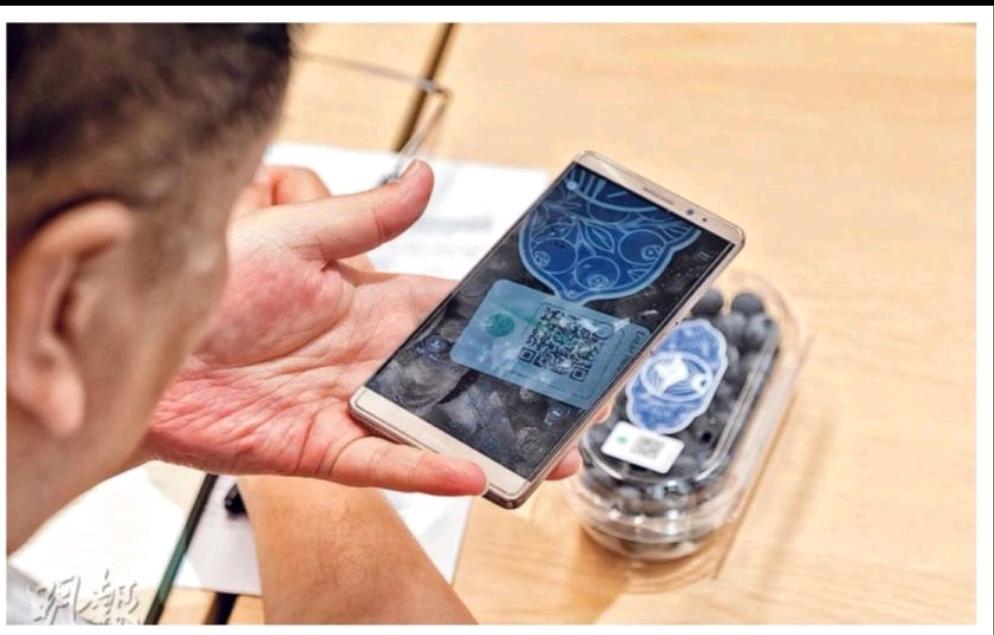
*Think of QRFiD as a hybrid security tag that merges two familiar tracking tools into one powerful, un-fakeable sticker.
*First, it features a QR Code. This is the customer-facing side. Anyone—from a grocery store manager to an everyday shopper—can scan it with a smartphone to instantly check where the fruit was grown, when it was picked, and its overall quality.
*Second, hidden inside that same sticker is an RFID chip.This is the industrial logistics side. It emits a silent radio frequency that allows warehouse gates, sorting conveyors, and transport trucks to read data from hundreds of crates at the exact same time from a distance.
*By combining these two technologies, the IGSO has essentially given agricultural products their very own digital passport.
The 5-Step Formula to Global Trust
During the recent Beijing-Hong Kong digital agriculture meeting, leaders outlined exactly how they plan to use this technology to help premium regional agricultural products safely expand into global markets:
Step 1: Product Identity: Every batch of fruit is given a unique digital birth certificate right at the farm.
Step 2: QRFiD Tracking:The hybrid tags are applied to log movement, transit safety data, and temperature logs in real-time.
Step 3: Independent CMA Testing: External labs test the food to certify that it is chemically safe and meets top international quality standards.
Step 4: GS1 International Standards:The data is translated into a standardized global barcode language so customs officials anywhere in the world can read it instantly.
Step 5: Global Market Trust: Because the data cannot be faked or altered, international markets and customs can confidently clear the shipments with zero delays.
Preventing Fraud and Checking Freshness in Real-Time
The real-world application of this framework is incredibly practical. In recent pilot programs with international supermarket chains, these tags do much more than just prove the fruit is real.
Because the QRFiD tag logs continuous data during transit, the cloud system automatically updates the fruit's status into three real-time quality categories: Fresh, Normal, or Not Best. Supermarkets can actually use this data to dynamically adjust prices.
If a shipment faced a shipping delay and lost a bit of its optimal freshness, the system flags it automatically. This prevents poor-quality fruit from being sold at premium prices, protecting both the consumer's wallet and the brand's reputation.