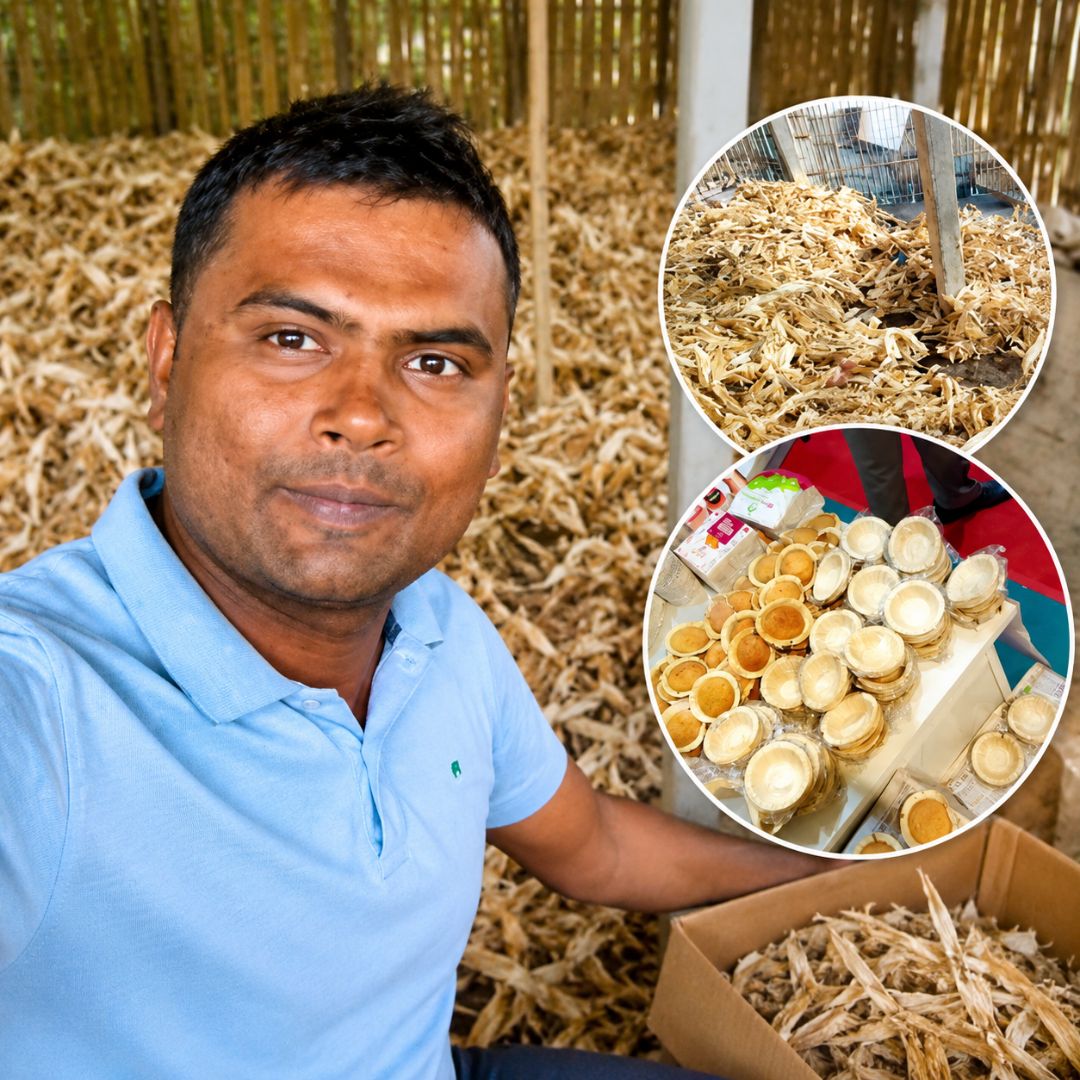
₹30 Lakh Order — From Corn Husk! How a Bihar Engineer Turned Farm Waste Into a Plastic-Free Business
A Tragedy That Sparked a Mission
In the quiet village of Muradpur in Bihar's Muzaffarpur district, mechanical engineer Naaz Ozair's life changed in 2019 the year he lost his young nephew to cancer. The boy had no harmful habits, no addictions. His death left Naaz with one haunting question: how could someone so young, living so carefully, still lose his life so early?
Searching for answers, Naaz began digging into the hidden dangers of everyday life. One culprit stood out again and again plastic. It was in the food packaging, the tea cups, the wrappers people used without a second thought, and research pointed to microplastics as a possible contributor to serious illnesses, including cancer.
That question became a decade-long obsession: if plastic is the problem, what could actually replace it?
From a Stable Job to a Village Workshop
Naaz wasn't short on options. After completing his B.Tech and M.Tech in Mechanical Engineering, he worked as an assistant professor and later landed a job in Hyderabad earning around ₹60,000 a month. On paper, it was a good life. But it didn't sit right with him.
"I wanted to do something meaningful for society and the environment, not just earn a salary," he says.
So he resigned, moved back to his village, and began researching plastic alternatives much to the confusion of his family and the mockery of his neighbors. Nobody around him understood why an engineer with a good job would give it up to experiment with farm waste in his hometown.
The Discovery: Waste Sitting in Plain Sight
Bihar is one of India's leading corn-producing states, harvesting the crop three times a year. After every harvest, farmers are left with mountains of corn husk and since it has no commercial use, most of it is simply burned, adding to air pollution.
Naaz noticed something interesting: even when corn grains were damaged, the outer husk stayed strong and intact. That durability was the clue he'd been looking for. Corn husk, unlike plastic, is biodegradable, sturdy, and breaks down naturally everything plastic isn't.
After five years of relentless research and repeated failures, funded largely out of his own pocket, Naaz finally cracked it: a way to turn raw corn husk into biodegradable, waterproof cups and saucers.
How the Business Works
The model is refreshingly simple, and built to support farmers as much as the environment:
- Naaz buys corn husk directly from local farmers at ₹1–2 per kg giving them extra income from something they used to burn as waste
- From just 1 kg of husk, he produces around 200 cups
- Each cup costs roughly 45 paise to make and sells for ₹1.50
- Saucers are priced at ₹2
Beyond cups and saucers, his product range has expanded to include chocolate wrappers, plates, bags, and banners all made from corn husk. Today, his venture sells over 1,000 items a day, with products reaching customers as far as Gujarat and West Bengal.
The ₹30 Lakh Railway Order
After years of being dismissed as a "village jugaad" project, Naaz's innovation reached a turning point: Indian Railways placed a bulk order worth ₹30 lakh for his plastic-free cups and saucers. His eco-friendly cups are now even used at religious gatherings for distributing prasad further increasing visibility for the product.
The innovation has since been patented, recognized by the Bihar Startup Program, and acknowledged by IIT Patna.
More Than an Eco Product — A Livelihood Model
What makes Naaz's story stand out isn't just the environmental angle. His venture has created stable employment for local artisans and workers, training them in sustainable manufacturing, while giving farmers a new income stream from husk that used to be burned as waste.
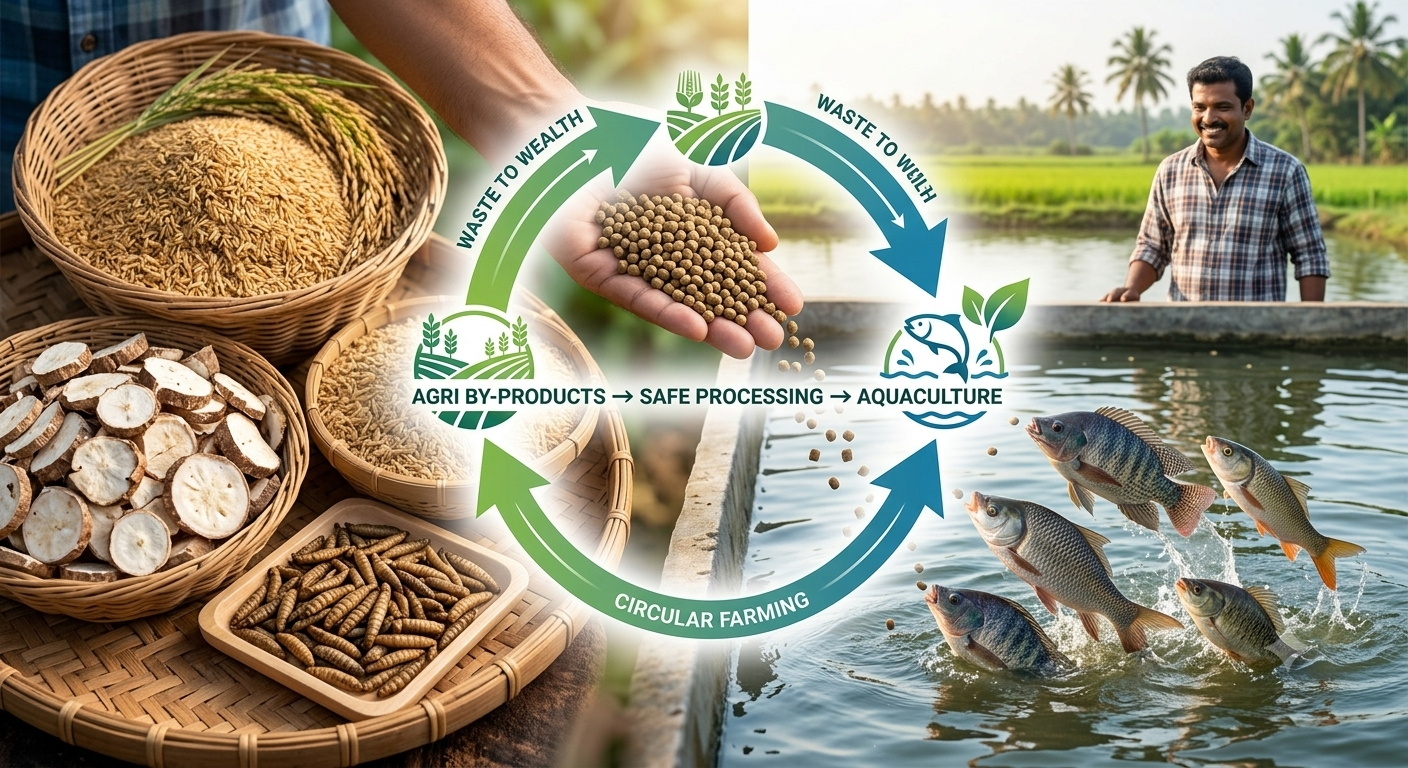
"We're not just making eco-friendly products," Naaz explains. "We're creating a sustainable cycle where waste turns into wealth."
The Bigger Picture
Naaz's journey from a well-paying job to a self-funded, decade-long experiment in a Bihar village is a reminder that some of India's most impactful innovations don't come from labs or big funding rounds. They come from people who've felt a problem personally, and refused to look away from it.
From burnt farm waste to a ₹30 lakh Indian Railways contract, Naaz Ozair's corn husk cups are proof that sustainability, when built around real rural economics, can scale.
Source: ETV Bharat, The Better India, Local Samosa