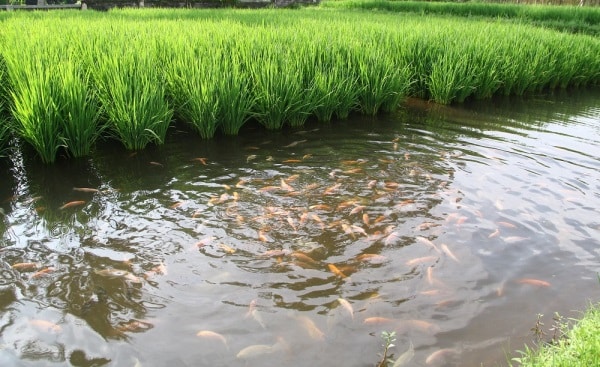
As global agriculture searches for ways to grow more food with fewer chemical inputs, the answer might lie in a centuries-old philosophy perfected by modern technology. In China, Integrated Fish Farming (IFF) has evolved from a traditional practice into a highly sophisticated, multi-billion-dollar sustainable industry.
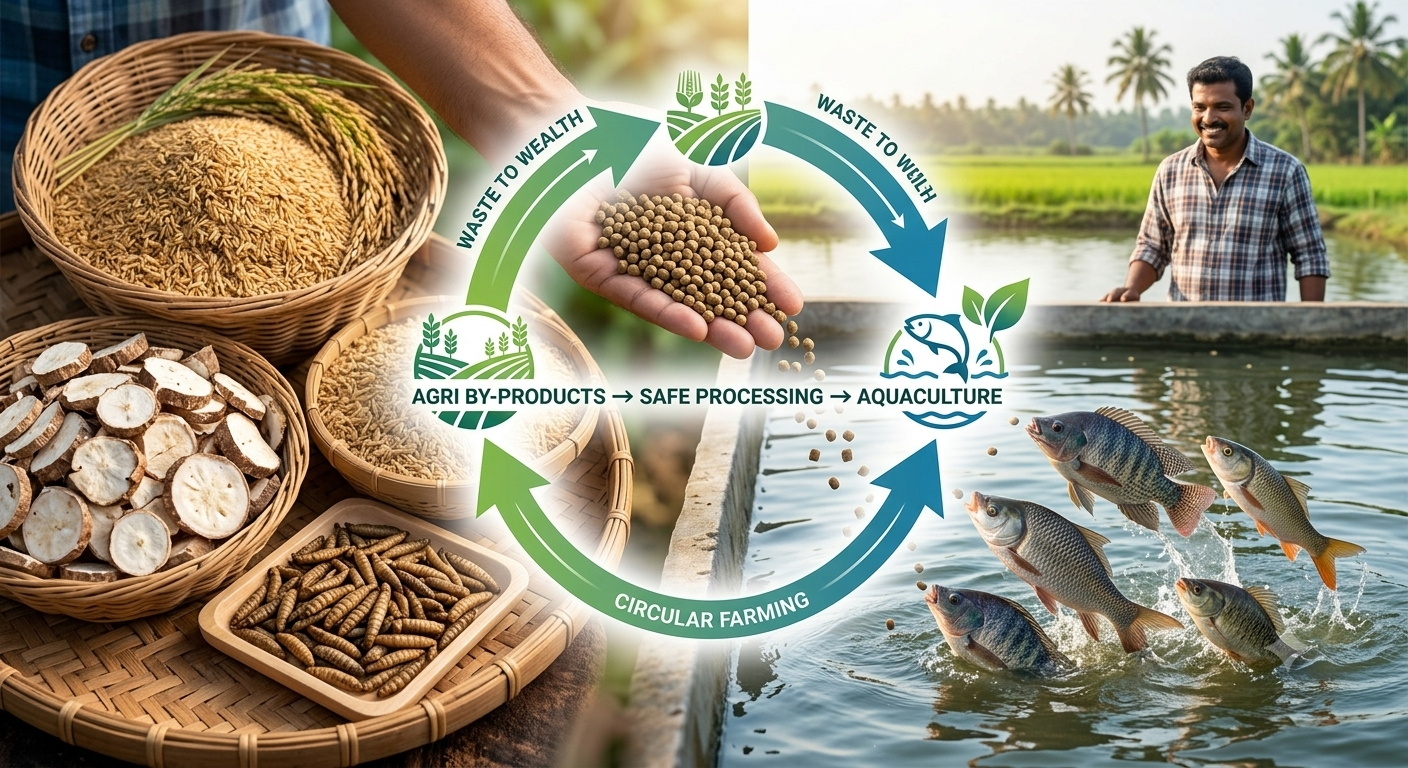
Instead of treating fish ponds, crop fields, and livestock as isolated operations, China's integrated model links them together in a closed-loop system where the waste of one process becomes the vital fuel for the next.
The Core Philosophy: Eliminating Waste
In a standard, isolated aquaculture pond, fish waste and leftover feed accumulate at the bottom, creating toxic ammonia levels that require heavy water flushing. China’s integrated systems turn this liability into an asset.
By strategically positioning crop cultivation or animal husbandry alongside or directly over the water, nothing is wasted. The nutrient-rich pond sediment is periodically dredged and used as premium organic fertilizer for land crops, while crop residues feed the fish or the land animals supporting them.
Three Famous Integrated Models Dominating China
1. The Rice-Fish Co-Culture System
Widely utilized across southern and central China, this system turns traditional paddy fields into dual-income ecosystems.
-
The Mechanism: Rice seedlings provide shade and shelter for fish, cooling the water and hiding them from birds. The fish swim through the paddies, naturally consuming harmful weeds and insect pests.
-
The Reward: Farmers harvest organic, premium-grade rice alongside a healthy catch of fish, completely eliminating the need for synthetic chemical pesticides and reducing fertilizer costs by up to 30%.
2. The Mulberry-Dike Fish Pond System
Particularly famous in the Pearl River Delta, this layout creates a perfect circle of life between silk production and aquaculture.
-
The Mechanism: Mulberry trees are planted on the dikes surrounding fish ponds. The leaves of these trees feed silkworms. Once the silkworms produce silk, their nutrient-dense excrement and pupae are dropped back into the ponds to feed the fish.
-
The Reward: The fish thrive on this high-protein diet, and the nutrient-dense mud from the bottom of the pond is eventually shoveled back onto the dikes to fertilize the mulberry trees.
3. Livestock-Fish Integration
This model maximizes space by raising poultry (ducks or chickens) or pigs on platforms directly above or adjacent to fish ponds.
-
The Mechanism: Animal manure drops into the water, where it triggers the growth of natural plankton, algae, and microscopic organisms.
-
The Reward: Herbivorous and filter-feeding fish (such as Silver Carp and Bighead Carp) consume this plankton bloom, eliminating the need for expensive commercial fish feed pellets.
Why the Integrated Approach is the Future
-
Drastic Cost Reductions: By substituting commercial chemical fertilizers and artificial fish feed with natural biological bypasses, farm operational expenses plummet.
-
Environmental Restoration: These systems naturally purify water and lock carbon back into the soil, proving to be an excellent tool for restoring degraded lands and former mining zones.
-
Diversified Revenue for Farmers: Rather than relying on a single harvest, a single acre of land simultaneously yields fish, grains, livestock, or fruit—safeguarding the farmer against market price volatility.
China’s mastery of integrated fish farming proves that high-yield modern agriculture doesn't have to come at the expense of the planet. By treating the farm as a living, interconnected ecosystem, producers can achieve absolute sustainability without sacrificing their bottom line.