Yanmar Robot Tractor: The Future of Smart Farming
Modern agriculture is undergoing a massive shift. While traditional farming methods have carried the sector for generations, today’s farmers face a complex web of modern challenges—ranging from severe labor scarcities and shrinking workforces to the increasing global demand for highly efficient food production.
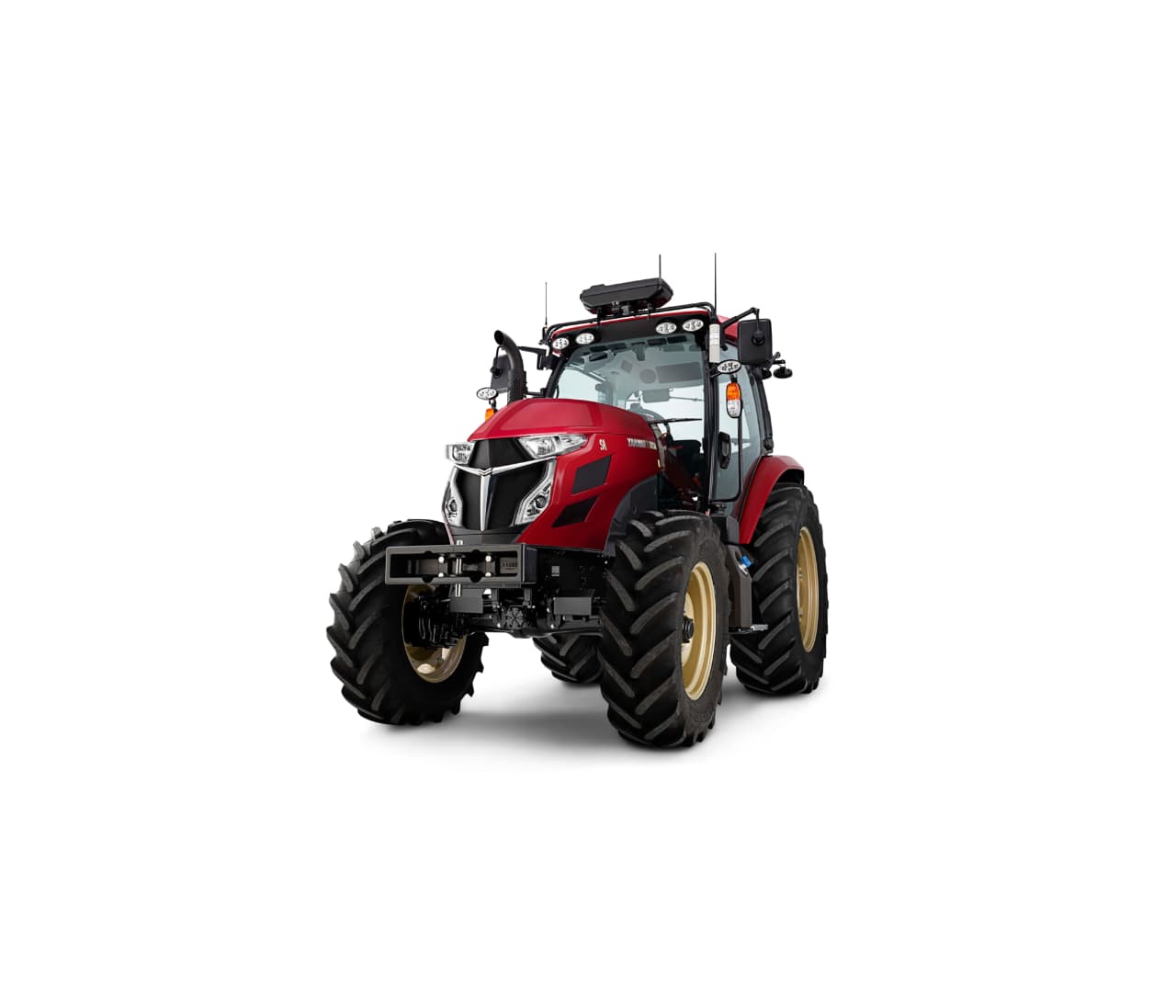
The Yanmar Robot Tractor is stepping up to solve these exact pain points. Developed as a cornerstone of the company's smart farming initiatives, this fully autonomous vehicle uses advanced global positioning, digital sensors, and artificial intelligence to navigate fields and automate intensive agricultural operations.
The Problem: High Labor Demands and Operational Inefficiencies
Severe Labor Shortages:
A shrinking and aging workforce makes it increasingly difficult to find skilled operators for repetitive, long-duration tractor tasks.
Overlaps and Resource Waste:
Manual driving naturally leads to steering variations, causing costly overlaps or missed spots during chemical spraying, seeding, and plowing.
Physical Exhaustion:
Managing extensive land operations on foot or sitting in traditional machine cockpits for long hours limits productivity and strains field workers.
The Solution: Fully Autonomous Field Systems
Unmanned Navigation:
Operates automatically along pre-programmed paths to complete heavy soil cultivation, plowing, tilling, and seeding with minimal human intervention.
Dual-Tractor Coordination:
Allows a single worker to manage two tractors simultaneously—controlling an unmanned robot tractor via a digital tablet while driving a separate manned vehicle.
Input and Fuel Optimization:
Uses centimeter-level precise guidance to perfectly align field rows, eliminating overlaps, saving fuel, and reducing chemical costs.
Key Components and Features
Multi-Frequency GNSS & Positioning:
Employs advanced satellite receivers and base telemetry to establish highly accurate vehicle positioning on farmland.
Intelligent Safety & Obstacle Sensors:
Built-in tracking hardware and cockpit cameras that actively scan the environment, safely stopping the tractor if cows, walls, or workers cross its path.
Tablet User Interface:
An intuitive digital control system allowing growers to remotely plan paths, assign tasks, and track real-time operations without sitting in the cabin.
Smart Engine Control Unit (ECU):
Automated internal software that constantly optimizes travel speed and engine throttle based on varying field and soil conditions.