AI-Powered Monitoring Systems in Agriculture
Modern agriculture is undergoing a massive shift. While traditional farming methods have carried the sector for generations, today’s commercial growers face a complex web of modern challenges—ranging from severe manual labor scarcities and rising resource costs to late-stage disease outbreaks that ruin whole fields.
AI-Powered Monitoring Systems are stepping up to solve these exact pain points. The technology focuses on providing continuous, data-driven oversight for fields, nurseries, and greenhouses—using smart sensors, imaging cameras, and machine learning algorithms to modernize everyday crop management.
The Problem: Blind Field Management and Slow Human Response
Delayed Problem Identification:
Manually checking large fields or multi-layered racks for water stress, nutrient deficiencies, or pest attacks is slow, meaning widespread crop damage has often occurred before the issue is visually caught.
Resource and Input Wastage:
Without real-time field data, farmers often resort to guessing or using rigid calendars, leading to the excessive and costly application of water, fertilizers, and energy.
Heavy Dependence on Manual Supervision:
Constantly walking rows or checking climate gauges demands intense human labor, making it incredibly difficult to scale up modern commercial operations efficiently.
The Solution: Continuous Data Tracking and Automated Adjustments
Early Warning Diagnoses:
Keeps watch over fields or indoor vertical setups 24/7, catching subtle visual abnormalities or moisture changes early to instantly alert growers before diseases spread.
Precision Closed-Loop Automation:
Goes beyond simple alerts by communicating directly with farm machinery to automatically adjust irrigation timers, tweak ventilation, or change lighting schedules based on precise plant needs.
Predictive Performance Scaling:
Collects ongoing growth analytics to estimate future plant performance, suggesting specific cultivation tweaks to ensure maximum yield quality and volume.
Key Components and Features
Smart Multi-Sensor Arrays:
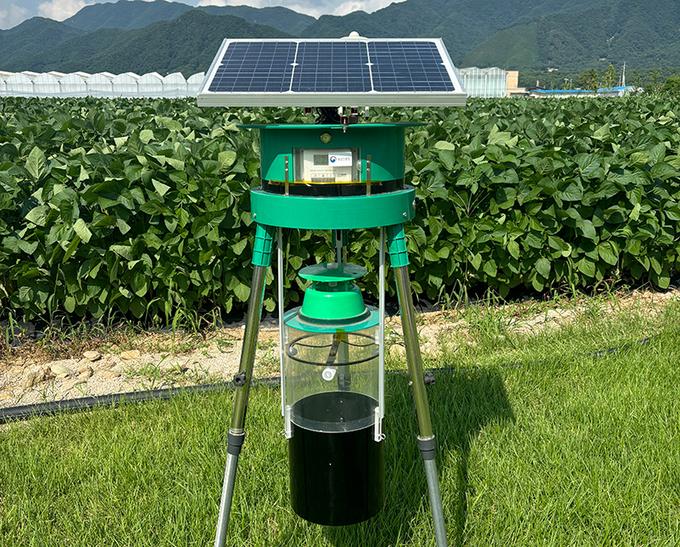
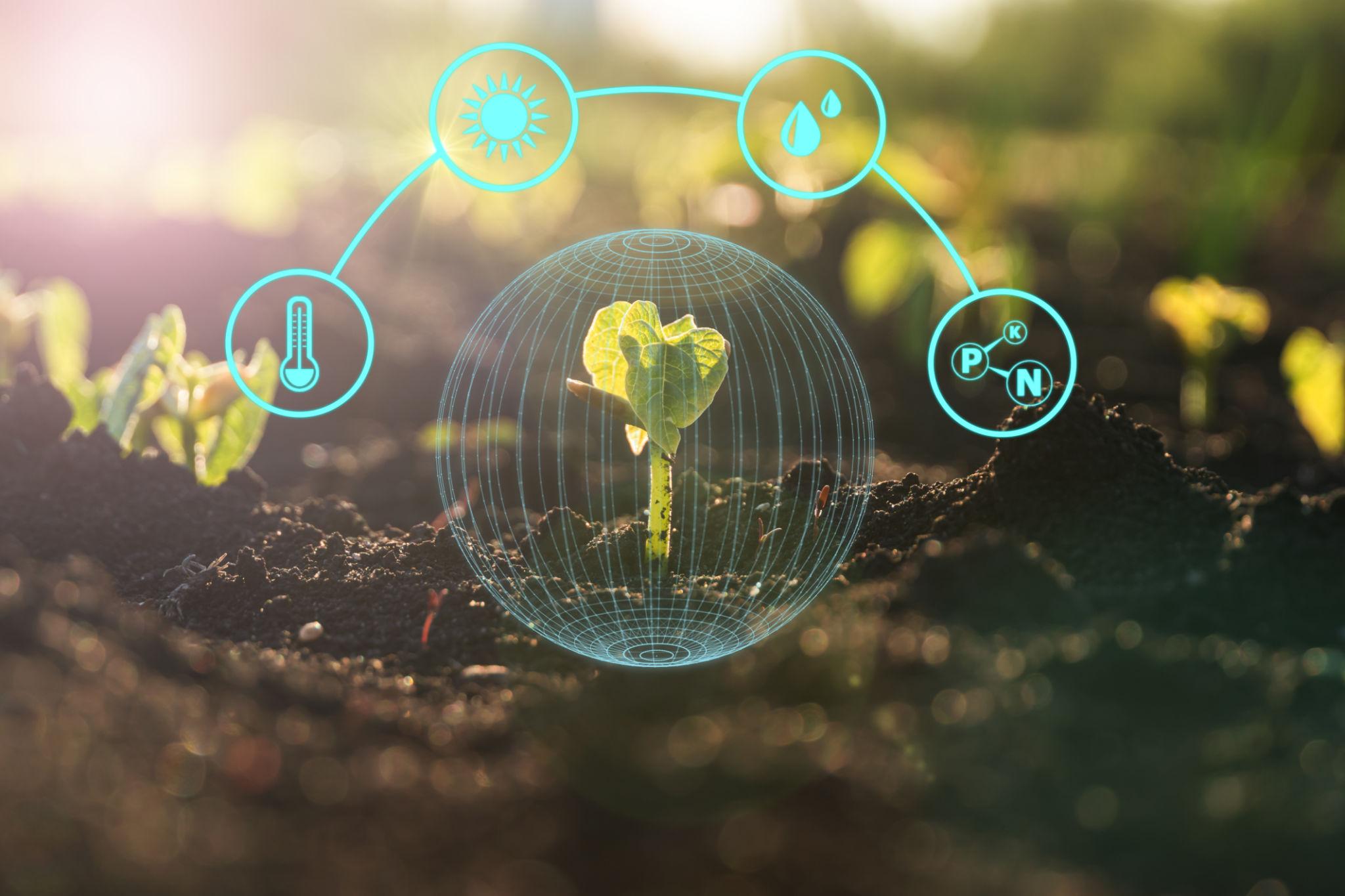
Field-ready hardware that continuously logs crucial ambient metrics including soil moisture, ambient temperature, relative humidity, light levels, and CO₂ concentration.
High-Resolution Field Imaging:
Connected crop cameras and multi-spectral scanners that visually audit foliage health, seedling growth cycles, and pest presence.
Machine Learning Algorithms:
Cloud-connected AI software that cross-references sensor inputs against crop data models to identify anomalies or structural stress trends.
Instant Alert and Control Interface:
An intuitive centralized digital dashboard that pushes immediate notifications to smartphones and allows remote control of connected farm hardware.