AI Weeding Robot: Revolutionizing Weed Control in Modern Agriculture
Modern agriculture is undergoing a massive shift. While traditional farming methods have carried the sector for generations, today’s commercial growers face a complex web of modern challenges—ranging from severe manual labor scarcities and skyrocketing herbicide costs to strict environmental regulations against chemical runoff.
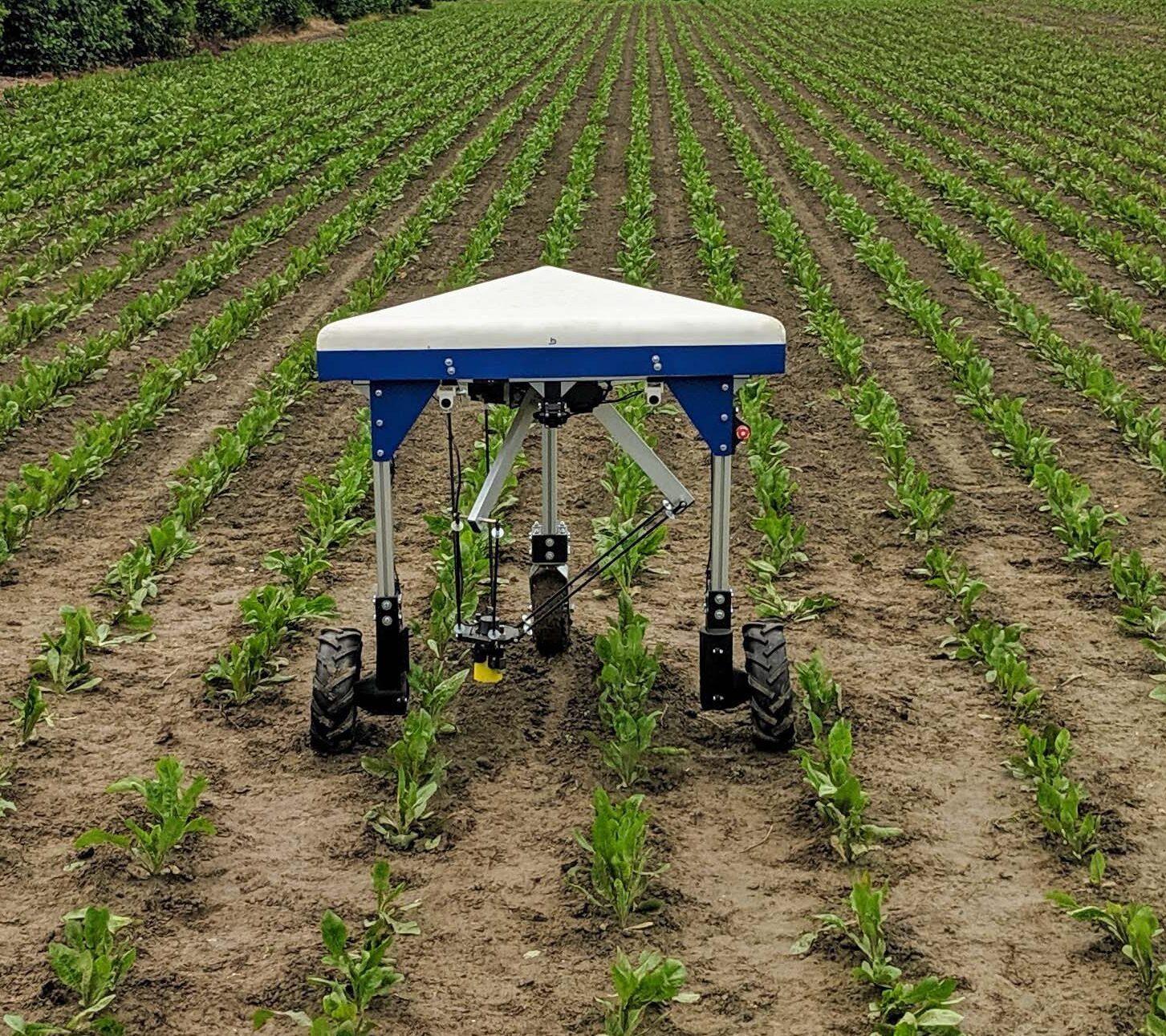
The AI Weeding Robot is stepping up to solve these exact pain points. The technology focuses on providing completely autonomous weed management—using high-resolution computer vision, real-time machine learning, and high-precision elimination tools to revolutionize everyday field maintenance.
The Problem: Backbreaking Labor and Blind Chemical Spraying
Intense Labor Dependency:
Pulling weeds by hand or operating traditional tilling machinery requires massive hours of physical labor, driving up overhead costs during critical crop growth cycles.
Chemical Overuse & Runoff:
Conventional broadcast spraying coats the entire field in toxic herbicides. This wastes expensive chemicals, degrades soil biology, and can accidentally stunt or damage the primary crop.
Early-Stage Resource Competition:
If weeds are caught too late due to labor delays, they quickly choke out young seedlings, robbing them of vital water, sunlight, and soil nutrients, which directly slashes final yield productivity.
The Solution: Intelligent Target Identification and Elimination
Centimeter-Accurate Plant Distinction:
Uses advanced artificial intelligence to analyze leaf characteristics such as shape, size, color, and growth patterns in real-time, instantly telling the difference between a cash crop and an invasive weed.
Chemical-Free Mechanical Eradication:
Employs precise robotic blades, rotating cutters, or electric actuators to uproot or chop unwanted plants cleanly from the soil while leaving the neighboring crop entirely untouched.
Micro-Dose Precision Spraying:
On models utilizing chemical options, the system applies a tiny, targeted amount of herbicide directly onto individual weeds, slashing total chemical consumption by up to 90% compared to legacy machinery.
Key Components and Features
Computer Vision Camera Arrays:
High-speed, high-resolution cameras and advanced sensors that continuously scan the crop rows as the vehicle rolls forward.
Onboard Edge AI Processing:
Advanced localized computing units that run machine learning algorithms to process field imagery within milliseconds, allowing instant identification.
GPS and Autonomous Navigation:
Autonomous driving software coupled with machine vision systems that allow the robot to navigate tight crop rows safely day or night with minimal human intervention.
Smart Actuators & Robotic Arms:
High-speed physical mechanisms that drop down instantly to eliminate weeds the millisecond they are detected.