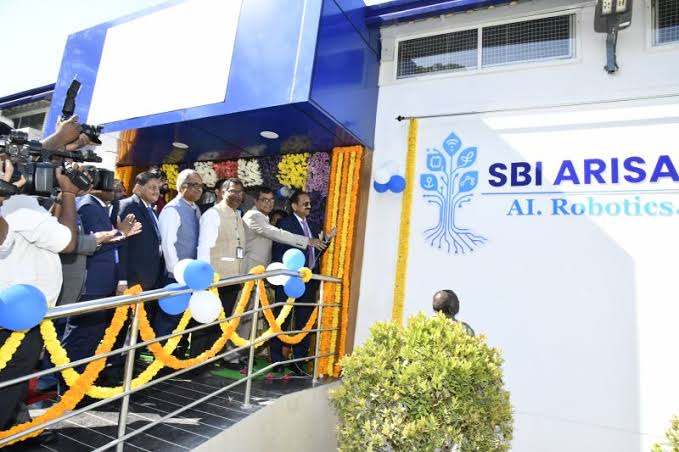
Empowering the Roots: The Genesis of ARISA Lab
The agricultural sector in India is currently navigating a dual challenge: an aging farming demographic and a shrinking manual labor workforce. With the average age of farmers rising, traditional, labor-intensive practices are becoming increasingly unsustainable.
To bridge this critical gap, the Agri Robotics IoT Solutions for Agriculture (ARISA) Lab was established at the Professor Jayashankar Telangana Agricultural University (PJTAU) in Hyderabad. This pioneer facility is built to design, test, and deploy localized, affordable automation tools specifically engineered for small and marginal landholders across India.
Strategic Collaborations and Core Funding
This breakthrough initiative is not an isolated effort; it represents a powerful convergence of academia, technology giants, and institutional banking:
-
Academic Synergy: Developed under PJTAU's newly formed Centre for Digital Agriculture in elite collaboration with BITS Pilani and IIT Hyderabad.
-
Financial Backing: Fueled by a massive ₹12 crore corporate social responsibility (CSR) grant from the State Bank of India (SBI).
-
National Vision: Positioned as a cornerstone project to align Indian agriculture with the nation's tech-driven development goals leading up to 2047.
Key Pillars of Innovation: What Happens Inside the Lab?
The ARISA Lab operates as an end-to-end sandbox for digital farming, integrating multiple disruptive technologies to optimize the crop lifecycle:
1. Autonomous Agri-Robotics
The lab's primary focus is building smart, compact field robots capable of handling repetitive and hazardous tasks. Using computer vision and machine learning, these robots can seamlessly navigate crop rows, identify and mechanically remove weeds without chemical assistance, and assist in precision harvesting.
2. IoT-Driven Precision Farming
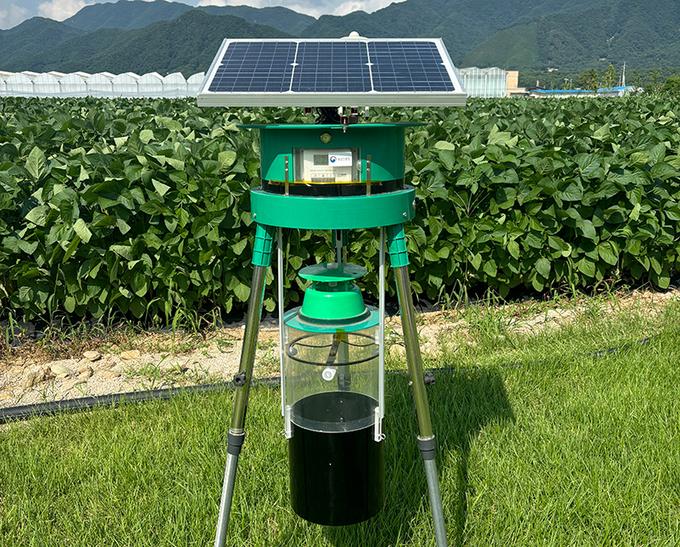
By deploying advanced Internet of Things (IoT) sensor networks across fields, the lab eliminates guesswork from farming. These sensors provide real-time updates on:
-
Soil moisture levels and hydration requirements.
-
Macro and micronutrient deficiencies in the earth.
-
Microclimatic ambient temperature and humidity shifts.
3. AI-Powered Predictive Analytics
The data harvested by drones and ground sensors is fed into customized artificial intelligence models. These algorithms process the information to generate predictive alerts, allowing farmers to anticipate pest infestations, crop diseases, and irrigation shortages days before they manifest physically.
4. Aerial Diagnostics via Drones
Partnering with the Telangana Drone Academy, the lab uses aerial remote sensing to map large tracts of farmland. Drones are utilized for high-resolution crop stress mapping and automated, targeted pesticide spraying, ensuring zero chemical wastage and maximum safety for the farmer.
The Long-Term Impact on the Indian Agrarian Economy
The ultimate objective of India's first AI agri-lab goes far beyond academic research. It is structured to deliver measurable field-level transformations:
-
Drastic Cost Reductions: Minimizes dependency on expensive manual labor and lowers input costs on fertilizers, water, and pesticides.
-
Climate-Resilient Agriculture: Equips farmers with the data needed to counter erratic weather patterns brought on by climate change.
-
Attracting Youth to Farming: By transitioning agriculture from a backbreaking manual task into a sophisticated, tech-driven career, the lab aims to inspire the next generation of rural entrepreneurs.
-
Democratic Technology Access: Through localized mobile applications, the lab will stream multilingual, actionable insights directly to basic smartphones, ensuring that top-tier AI benefits even the most remote farmer.