The Simple Workhorse of Bulk Material Handling: The Belt Plow Feeder
When managing large operations like a massive dairy barn, a busy fertilizer blending plant, or a bustling mining yard, moving material from point A to point B is only half the battle. The real trick is getting that material off the conveyor belt at exactly the right spot.
If you need to distribute bulk solids across multiple storage bins, stock piles, or long livestock feeding alleys, you don't need expensive, ultra-complex electronics. You need a belt plow feeder (also known as a plow diverter or conveyor unloader).
This elegant mechanical system has become an industry standard for redirection because it solves a complex problem with straightforward design. Here is how it works and why it might be the missing piece in your processing loop.
What is a Belt Plow Feeder?
A belt plow feeder is a specialized material-diversion system positioned mid-way along a flat or troughed conveyor belt. Its sole job is to intercept a steady stream of moving material—such as grain, silage, coal, sand, or fertilizer—and scrape it off the side of the belt before it reaches the end pulley.
The core of the system consists of a dynamic, wear-resistant blade (often made of durable Polyurethane or UHMW plastic) shaped like a diagonal line or a "V".
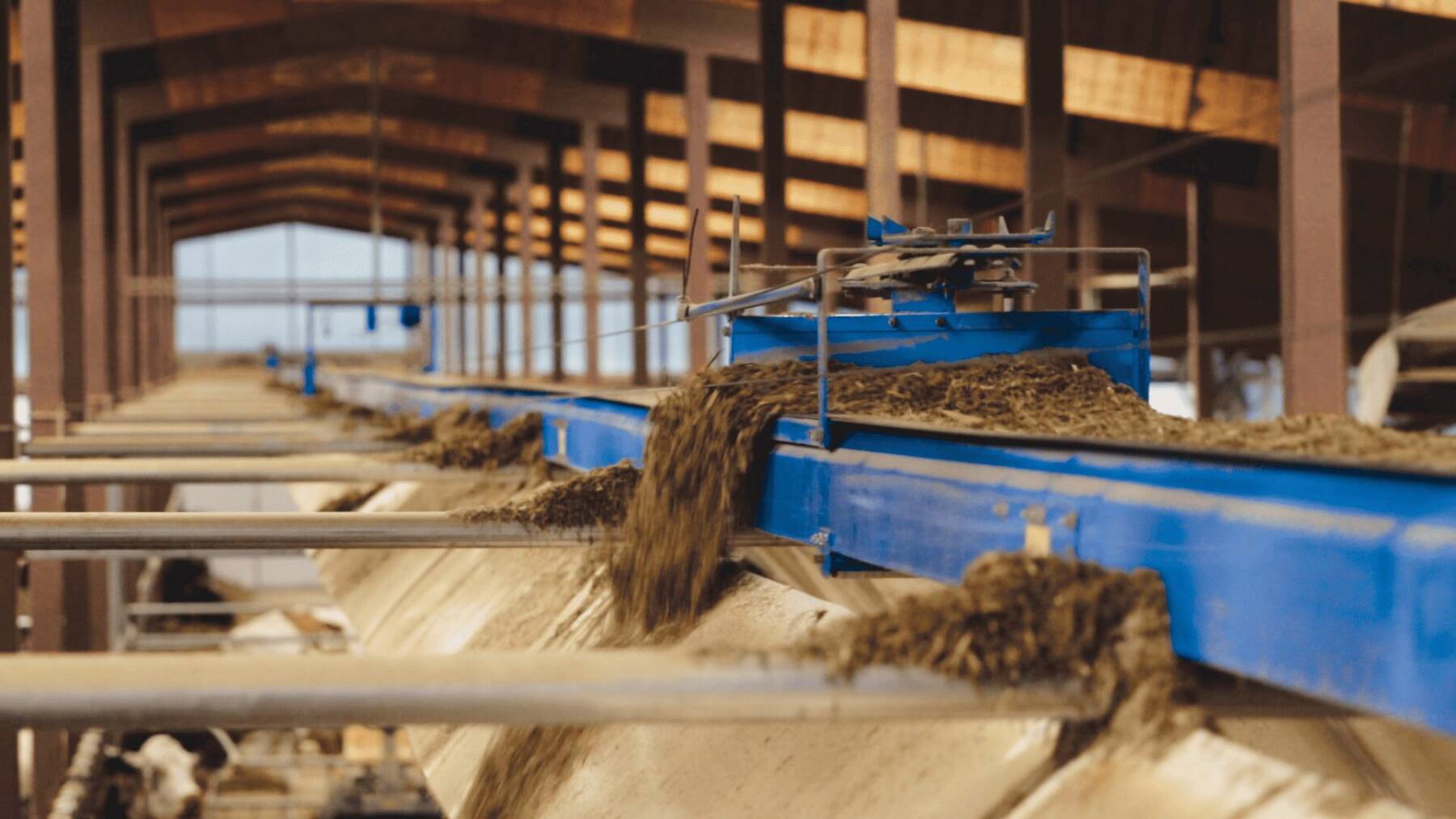
When lowered onto the conveyor, this blade acts like a snowplow, smoothly spiraling material out of its path and dropping it into local chutes, storage silos, or feeding bunkers.
The Mechanics: How a Belt Plow Diverts Material
Standard industrial conveyor belts are typically "troughed" into a U-shape by angled idler rollers to prevent loose material from spilling off the edges during transit. To clear that material effectively, a belt plow system uses a clever three-step mechanical sequence:
-
The Flattening Structure: Just before the conveyor belt reaches the plow blade, it passes over a series of custom transitioning rollers. These rails safely flatten the belt from its deep U-shape into a completely flat surface.
-
The Actuation: Depending on the setup, an electric motor, pneumatic piston, or hydraulic actuator lowers the floating plow blade directly onto the flat belt surface.
-
The Plow Effect: As the belt slides underneath the blade, the material strikes the angled surface. A single diagonal blade pushes everything off to one designated side, while a V-shaped plow splits the stream, discharging material out of both sides simultaneously. When diversion is no longer needed, the blade lifts back up, and the belt transitions seamlessly back into a trough shape.
Why Choose a Belt Plow Over a Traveling Tripper?
When engineers look for ways to drop material at multiple points along a single conveyor, the choices usually boil down to a Belt Plow or a Traveling Belt Tripper. While trippers are fantastic for heavy aggregates, belt plows are highly favored for a variety of reasons:
-
Massive Cost Savings: Belt trippers require complex loops of multiple pulleys to physically lift and drop the belt, making them incredibly expensive to build and maintain. A belt plow uses a simple, low-profile frame that requires a fraction of the initial investment.
-
Space-Saving, Compact Profile: Because a plow sits directly on top of the existing conveyor framework without requiring giant loops or overhead clearances, it fits into cramped spaces like barn ceilings or low-clearance storage attics.
-
Low Maintenance Burden: With fewer moving parts and no extra conveyor pulleys to stretch or wear down the primary belt, keeping a plow system operational requires very little downtime.
-
Automated Multi-Lot Capabilities: Modern belt plows can be mounted to motorized wire-guided or rail-guided carriages. Using simple proximity sensors and a basic control box, a single plow can automatically move back and forth along a 400-foot line, distributing exact portions of livestock feed or bulk solid chemicals to ten different bays completely unattended.
Common Real-World Applications
Because the plow blades can be quickly swapped out to handle different materials, you will find these systems working hard across completely different sectors:
-
Automated Livestock Feeding: Traveling belt feeders automatically travel up and down narrow alleys in dairy barns, dropping fresh, consistent silage multiple times a day to keep livestock well-fed without compacting the barn floors with heavy tractors.
-
Industrial Mixing and Blending: Perfect for moving dry fertilizers, sand, wood chips, and limestone into distinct, linear storage compartments or mixing hoppers.
-
Mining and Reclaim Operations: Safely diverts bulk crushed solids from reclaim belts into longitudinal slot bunkers or processing lines.
If your facility demands a budget-friendly, highly reliable way to turn a straight-line conveyor into a multi-point distribution network, the belt plow feeder is a tried-and-true choice that keeps material moving like clockwork