Traditional method variants of surface-level fertilizer and manure application are inherently inefficient. When nutrients are simply sprayed or broadcasted across the topsoil, a massive percentage is lost to the environment. Nitrogen volatilizes into the atmosphere as ammonia gas, while heavy rains wash phosphorus and potassium into local water systems. This creates a double blow for commercial growers: inflated input costs and severe ecological penalties.
To permanently solve this issue, sub-surface injection has emerged as the gold standard. However, pulling deep-soil injector tines through heavy earth requires immense mechanical power and precise steering.
By marrying high-horsepower, driver-optional power platforms with automated implement control, Heavy-Duty Autonomous Soil Injectors are completely re-engineering crop nutrition. These multi-ton robotic setups are capable of injecting liquid nutrients deep into the root zone with centimeter-level precision, working round-the-clock without a human in the cab.
The Mechanics of Autonomous Sub-Surface Injection
Unlike lightweight solar weeders, heavy-duty soil injection requires a massive mechanical footprint. The system generally functions through a high-capacity autonomous prime mover coupled with an intelligent pressurized injection toolbar:
-
The Autonomous Carrier: Industrial autonomous platforms—such as the tracked, diesel-electric AgXeed AgBot or autonomy-upgraded John Deere 8R/8RX Series Tractors—provide the high tractive force required to rip through compacted subsoil.
-
Sub-Surface Disc Openers: Heavy-duty coulter discs slice clean openings into the soil, minimizing surface residue disruption and preventing soil erosion.
-
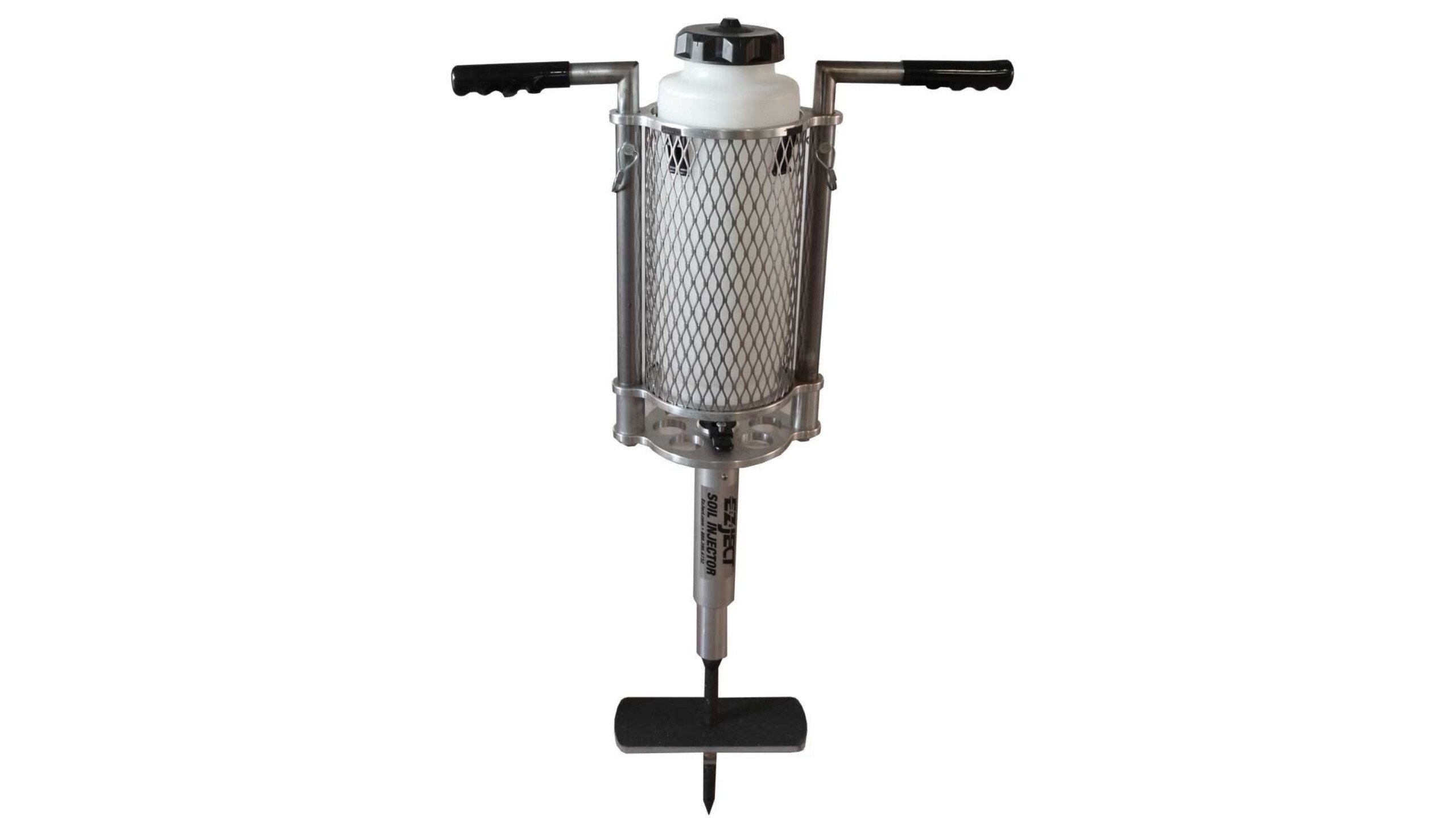
Pressurized Variable-Rate Injectors: Tucked directly behind the opening discs, high-pressure liquid lines inject precise doses of liquid manure, anhydrous ammonia, or customized bio-stimulants directly into the active root zone ($10-20\text{ cm}$ below the surface).
-
Closing Wheels: Heavy rear packing wheels instantly seal the furrow, trapping gases and liquids securely beneath the surface.
Key Pillars of Innovation Driving This Technology
The real magic happens when heavy-duty iron meets advanced digital architecture. These systems maximize operational efficiency through multiple integrated technologies:
1. AI-Driven Variable Rate Prescriptions
The autonomous injector doesn't apply nutrients blindly. Integrated with pre-mapped soil sensor data, the tractor's computer reads real-time field prescriptions. If it crosses an area with low organic matter, the machine automatically increases pump pressure to inject a higher dose. In fertile zones, it throttles back, ensuring optimal resource allocation.
2. Advanced RTK-GPS & Obstacle Detection
Operating with $2.5\text{-cm}$ Real-Time Kinematic (RTK) GPS accuracy, the self-driving injector follows precise grid lines to avoid damaging perennial root structures or compacting the exact rows where crops will emerge. Using LiDAR and radar networks, the machinery detects underground boulders or surface obstacles, instantly pausing operations in less than 100 milliseconds to avoid mechanical damage.
3. Drastic Reduction in Soil Compaction
Traditional high-capacity fertilizer tankers are notoriously heavy, crushing the delicate soil structure and killing beneficial microbes. Next-generation autonomous platforms utilize wide rubber crawler tracks or low-pressure tire systems ($<30\text{ kPa}$) to spread the heavy machine weight evenly, fully preserving soil fertility and root-expansion capacity.
The Economic and Agronomic Payoff
Transitioning from traditional surface spraying to autonomous deep-soil injection delivers immediate, field-verified advantages for large-scale operations:
-
Up to 30% Increase in Nutrient Efficiency: Placing liquid fertilizer directly at the root zone eliminates atmospheric evaporation and rain runoff, ensuring crops absorb the maximum chemical value.
-
Slashed Labor & Fuel Expenses: Autonomous cycles allow fleets to run up to 20 hours non-stop, maximizing narrow weather windows without requiring teams of operators to work night shifts.
-
Odour and Gas Suppression: For farms utilizing livestock liquid manure, deep-soil injection immediately traps gases underground, eliminating up to 90% of local air odor complaints and environmental ammonia emissions.
Smarter Inputs for a Sustainable Tomorrow
As environmental regulations tighten and the cost of synthetic fertilizers continues to fluctuate, the agricultural sector must shift toward strict precision. Heavy-duty autonomous soil injectors prove that sustainability and industrial-scale productivity don't have to be at odds. By burying crop nutrition exactly where it counts, these autonomous giants are establishing a highly profitable, climate-resilient future for global agriculture.