When a plant is attacked by insects, infected by a fungus, or stressed by drought, it cannot cry out for help. Instead, it speaks through chemistry. Plants release complex clouds of airborne chemicals known as Volatile Organic Compounds (VOCs). These chemical bouquets change drastically depending on the specific threat the plant faces—acting as an olfactory signature of distress.
For centuries, these chemical signals were entirely invisible to human farmers. By the time a disease manifested as yellowing leaves, black spots, or structural wilting, the infection was already deeply rooted, forcing growers into aggressive, costly rescue treatments.
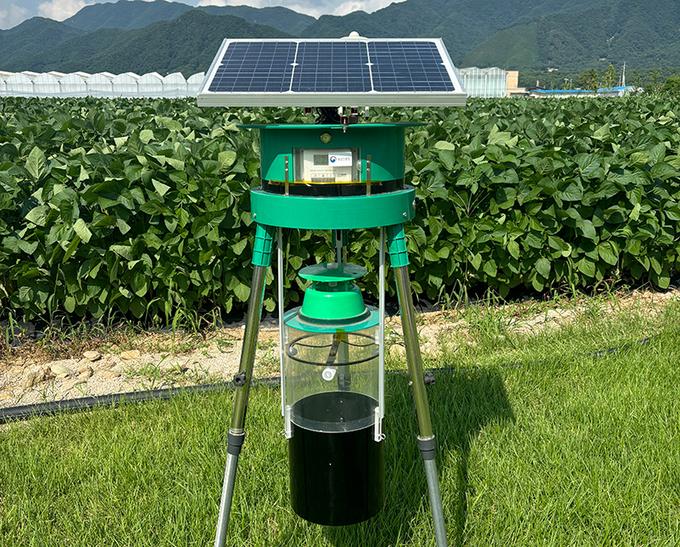
To catch these threats at the absolute horizon of infection, agritech is introducing a revolutionary sensory breakthrough: Smart "E-Nose" (Electronic Nose) Pest and Disease Sniffers. By mimicking the biological olfactory systems of animals, these high-tech field devices "inhale" the air around crops, identifying microscopic pest invasions and fungal outbreaks purely by their smell.
The Architecture of Digital Olfaction: How the E-Nose Works
An electronic nose bypasses the need for visual or DNA-based laboratory testing. Instead, it relies on a multi-stage hardware and software pipeline designed to analyze gas footprints in real-time:
-
The Air Sampling Chamber: A localized intake pump draws in ambient air from the crop canopy, passing it over an internal sensor array.
-
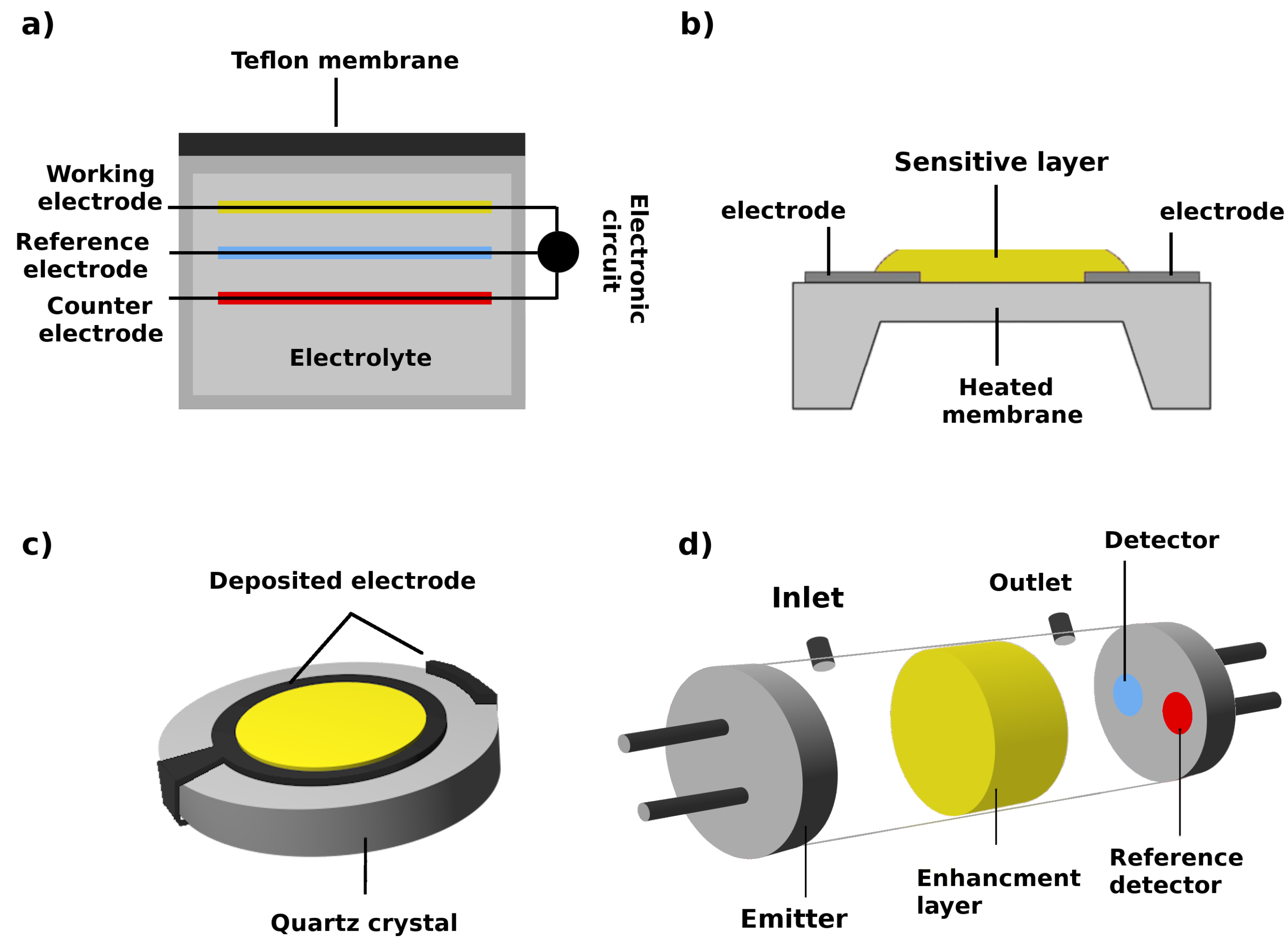
The Gas Sensor Array: The core hardware consists of multiple chemically sensitive receptors—frequently utilizing Metal Oxide Semiconductor (MOS) or conducting polymer materials. Each individual sensor is tuned to react to a different family of chemical molecules.
-
The Resistor Shift: When specific VOCs bind to the sensor surfaces, they trigger a measurable change in electrical resistance. The combined reactions of all the sensors create a unique, digital "fingerprint" or smell profile.
-
The AI Brain: An onboard microprocessor or cloud-linked AI engine runs pattern-recognition algorithms (like neural networks) to compare the fingerprint against a vast database of known agricultural odors.
Key Agronomic Breakthroughs Driven by E-Nose Technology
Integrating digital olfaction into standard integrated pest management (IPM) frameworks introduces several unparalleled advantages:
1. Pre-Symptomatic In-Field Diagnostics
Fungal pathogens like Botrytis cinerea (grey mold) or bacteria like Xanthomonas alter a plant's metabolic output days before physical lesions or mold spores become visible to the naked eye or a drone camera. E-Nose sensors spot these metabolic shifts instantly, allowing farmers to isolate or treat a small patch before a widespread epidemic takes hold.
2. Specific Insect Infestation Fingerprinting
When boring insects like the Fall Armyworm or Emerald Ash Borer chew into plant tissue, the plant releases highly specific distress signals to attract natural predators. E-Noses can distinguish between a harmless mechanical leaf tear and an active insect infestation, alerting managers to the exact pest type currently invading the plot.
3. Non-Destructive Greenhouse and Storage Monitoring
Beyond the open field, E-Noses are proving to be invaluable safeguards inside post-harvest storage facilities and silos. Placed inside potato or grain storage bins, they can continuously sniff for the specific gas mixtures produced by rot, preventing localized spoilage from destroying millions of tons of collected inventory.
The Economic and Sustainable Payoff
Transitioning from visual scouting to automated chemical olfaction delivers game-changing advantages for commercial agricultural operations:
-
Slashed Chemical Exposure and Expenses: Instead of blanket-spraying an entire 100-acre field with expensive synthetic fungicides or pesticides, farmers can execute ultra-targeted, micro-dose applications only on the specific rows flagged by the E-Nose network.
-
Protection of Beneficial Insects: Early, hyper-localized treatments mean fewer broad-spectrum chemicals are introduced into the environment, protecting vital local pollinators and predatory insects that provide natural biological control.
-
Full Integration with Autonomous Fleets: Next-generation E-Noses are light enough to be mounted directly onto autonomous ground rovers or low-altitude drones, creating automated "sniffing patrols" that map out chemical stress across massive properties daily.
A Smarter, Cleaner Path to Crop Security
As environmental regulations tighten global limits on chemical inputs and climate volatility accelerates the spread of invasive pests, agriculture must transition toward immediate, predictive intelligence. Smart "E-Nose" sniffers prove that the answers to our agricultural challenges are already floating in the air—we simply needed the technology to listen. By decoding the chemical language of plants, this electronic olfaction frontier ensures growers can comfortably protect their yields while establishing a safer, chemical-reduced future for global farming.