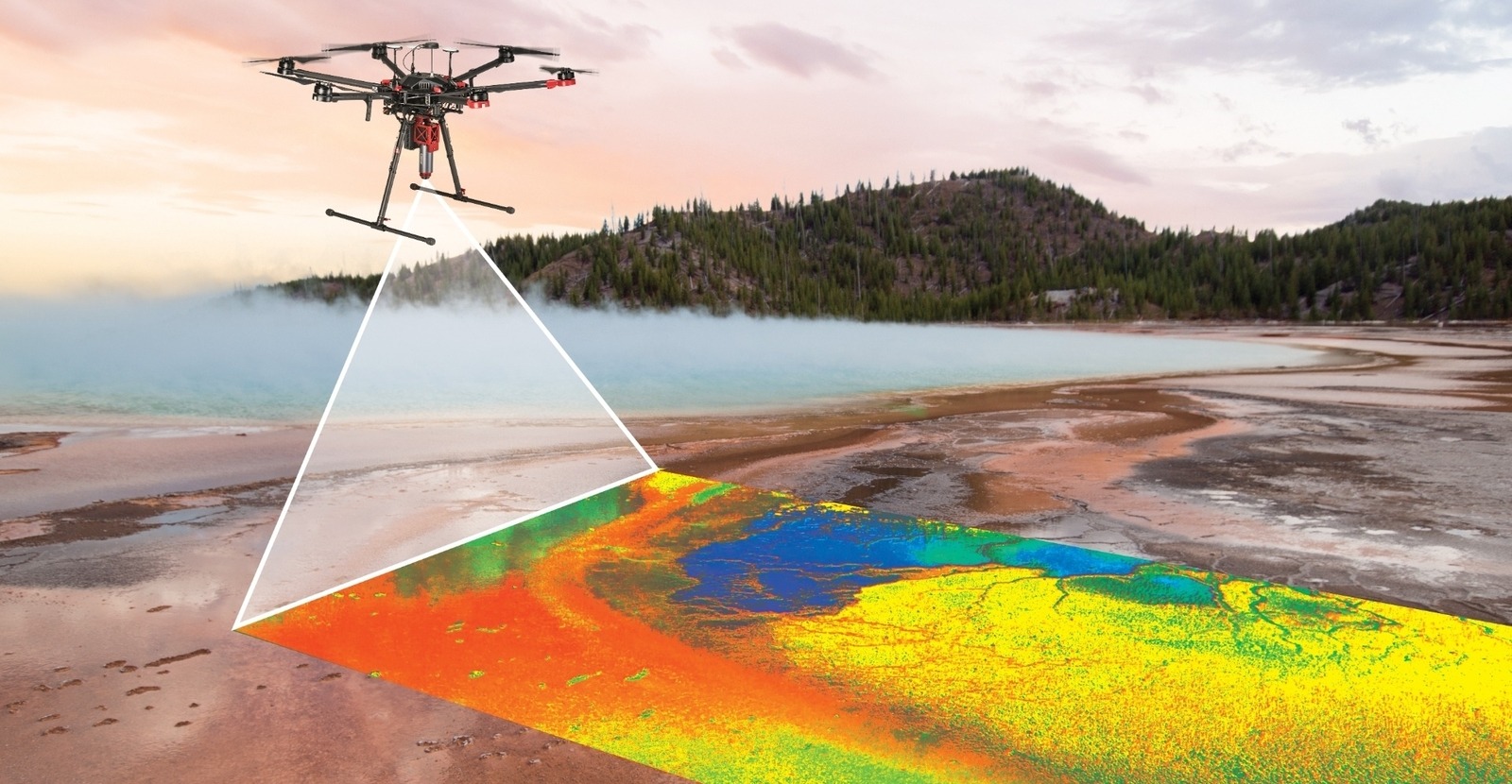
When monitoring massive farm acreage, traditional aerial scouting relies heavily on standard RGB (red, green, blue) cameras or basic multispectral sensors. While these tools are excellent for mapping out broad yield patterns or calculating general vegetation indices, they possess a major vulnerability: they only catch problems after physical damage has occurred. By the time a drone camera registers yellowing leaves or thinning crop canopies, cellular damage is already widespread, and yield potential has dropped.
To bridge this critical gap, precision agriculture is turning to ultra-advanced remote sensing: Hyperspectral Drone Tissue Scanners. By capturing hundreds of narrow, continuous bands of light across the electromagnetic spectrum, these airborne laboratories inspect internal plant chemistry and cell structures in real time, detecting microscopic pest invasions, fungal infections, and water stress days before they show up on the surface.
The Technical Difference: Multispectral vs. Hyperspectral
To understand why hyperspectral technology is an agricultural game-changer, it helps to look at how it processes light compared to standard farming sensors:
-
Standard Multispectral Sensors: These typically capture 3 to 5 broad, separated bands of light (such as Red, Green, Blue, Near-Infrared, and Red Edge). They can tell if a crop is generally healthy or stressed, but they lack the detail needed to diagnose the exact cause of that stress.
-
Hyperspectral Tissue Scanners: These slice the light spectrum into hundreds of narrow, back-to-back bands. Instead of looking at broad color blocks, a hyperspectral sensor builds a continuous "spectral signature" for every individual pixel on the ground, revealing subtle chemical changes inside the plant tissues.
Key Agronomic Breakthroughs Driven by Hyperspectral Drones
Deploying hyperspectral scanners into regular drone flight routines provides growers with an unalterable, highly detailed look at field health across several critical areas:
1. Pre-Symptomatic Disease Identification
When a fungal pathogen enters a leaf tissue, it immediately disrupts the plant's internal chlorophyll production and cellular water pressure. Hyperspectral scanners pick up these minor changes in light absorption instantly, allowing farmers to pinpoint an outbreak—like potato late blight or wheat rust—before visible spots ever form on the leaves.
2. Micro-Targeted Crop Nutrition Profiles
Different nutrient deficiencies alter plant tissues in highly distinct ways. A lack of nitrogen impacts chlorophyll, while a lack of potassium or iron alters different internal cell structures. By analyzing specific spectral curves, hyperspectral scans generate precise nutrient maps, letting farmers apply exact fertilizer blends only where they are needed.
3. Precise Water and Hydration Mapping
Water absorbs specific wavelengths in the shortwave infrared (SWIR) spectrum. Hyperspectral sensors track these exact water bands to monitor internal moisture levels, mapping crop dehydration hours before leaves begin to wilt or dry out.
The Economic and Sustainable Payoff
Transitioning from manual field scouting to automated hyperspectral drone patrols delivers immediate, measurable advantages for modern commercial farming:
-
Slashed Input Costs: Instead of broad, preventative chemical sprays over a 500-acre field, farmers can apply targeted micro-doses exclusively to the exact rows flagged by the drone scan, cutting pesticide and fungicide expenses significantly.
-
Rapid Multi-Acre Coverage: A single autonomous drone flight can scan hundreds of acres in under an hour, providing complete field diagnostics without requiring scouting crews to spend days walking the rows.
-
Protected Yield Margins: Catching disease outbreaks at the sub-visual level means treatments are applied when they are most effective, stopping crop losses in their tracks and maximizing harvest quality.
The Future of Airborne Intelligence
As climate shifts expand the reach of invasive pests and global input costs fluctuate, agriculture must shift from reactive management to predictive accuracy. Hyperspectral drone tissue scanners prove that the earliest indicators of crop stress are hidden in wavelengths of light invisible to the human eye. By unlocking these hidden spectral signatures, this advanced technology ensures growers can comfortably protect their crops, optimize resource efficiency, and secure a highly profitable, sustainable farming future.