Climate change is exposing global agriculture to unprecedented environmental volatility. Sudden, intense heatwaves can bake the soil, destroying root systems in a matter of days, while unexpected late-season frost can freeze plant tissue and ruin entire harvests. Traditionally, farmers have tried to shield crops using surface-level solutions like overhead misters, shade nets, or giant wind fans. However, these methods consume massive amounts of water and energy, and they fail to protect the most vulnerable part of the plant: the roots.
To permanently address thermal stress, agritech engineers are shifting their focus underground. The emergence of Root-Zone "Cryo-Shifting" Temperature Manipulators represents a monumental breakthrough in climate-resilient farming. By regulating sub-surface soil temperatures in real-time, these automated systems keep root zones at their biological sweet spot, unlocking maximum crop yields even during extreme external weather.
The Science: Why Root Temperature Dictates Crop Yield
A plant's root system does far more than just anchor it to the ground; it acts as the primary engine for nutrient absorption, water transport, and hormone synthesis.
Every crop variety has an optimal root-zone temperature window. For example, most specialty crops thrive when their roots stay between and .
-
The Danger of Excess Heat: When topsoil temperatures soar past during a summer heatwave, root respiration accelerates wildly, depleting the plant's energy reserves. The roots lose their ability to absorb water efficiently, causing the plant to shut down its growth mechanisms to survive.
-
The Danger of Sudden Frost: Conversely, when soil temperatures drop toward freezing, fluid movement within the root cells slows to a crawl, starving the upper leaves of vital nutrients and potentially causing permanent cellular rupture.
Cryo-Shifting technology eliminates this vulnerability. It functions by continuously moving thermal energy into or out of the sub-surface soil, effectively decoupling the plant's roots from the harsh atmospheric weather above.
How Cryo-Shifting Systems Work on the Farm
A heavy-duty root-zone temperature manipulation network operates using a highly efficient closed-loop thermodynamic system, typically laid out in a few core stages:
1. Sub-Surface Hydronic Piping
During field preparation or orchard planting, high-density, flexible polyethylene pipes are buried roughly below the surface, sitting directly inside or alongside the active root zone.
2. Automated Heat Pump Integration
These underground pipes connect to centralized, highly efficient commercial heat pumps or geothermal exchange loops. The system circulates a specialized thermal-transfer fluid (often water blended with eco-friendly food-grade anti-freeze) throughout the field network.
3. IoT Sensor Micro-Management
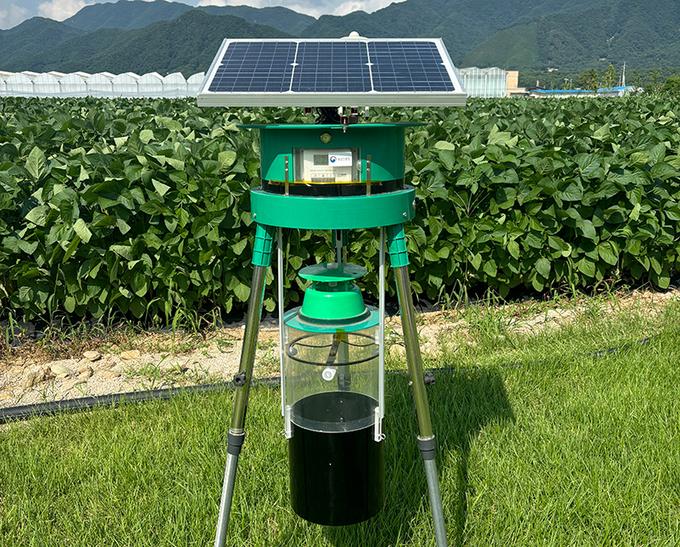
The entire process is automated by an array of intelligent sub-surface soil probes. These IoT sensors continuously measure soil temperature, moisture levels, and ambient heat dissipation, feeding live metrics back to a centralized cloud platform.
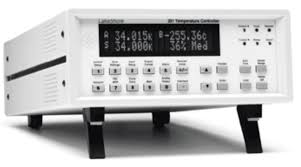
4. Dynamic "Cryo-Shifting" Real-Time Adjustments
-
The Cooling Phase (Summer): When the system detects a dangerous spike in topsoil heat, the heat pump activates to extract thermal energy from the ground. The fluid carries the root-zone heat away, cooling the soil down to a stable, productive temperature.
-
The Warming Phase (Winter): If a frost warning is triggered, the cycle instantly reverses. The heat pump injects ambient or geothermal warmth down into the piping network, warming the sub-surface soil just enough to keep the root tissues safe from freezing.
The Structural Economic and Agronomic Payoff
Transitioning from passive surface protection to automated underground thermal management provides massive structural advantages for commercial agricultural enterprises:
-
Substantial Yield and Quality Bumps: By maintaining an optimal root climate year-round, plants spend less energy fighting environmental stress and more energy producing fruit. Growers utilizing root-zone thermal regulation routinely document 20% to 50% increases in total harvest volume.
-
Massive Water Savings: When crops suffer from root-zone heat stress, farmers often over-irrigate fields in a desperate attempt to cool the soil down. Cryo-shifting regulates temperature directly without wasting precious water, slashing seasonal irrigation volumes by up to 30%.
-
Extended Growing Seasons: By warming the soil early in the spring and keeping it stable into late autumn, farmers can plant weeks ahead of schedule and delay their final harvests, allowing them to capture premium off-season market pricing.
Engineering a Climate-Resilient Agricultural Future
As global weather patterns become increasingly unpredictable, traditional farming models must evolve to survive. Root-Zone "Cryo-Shifting" Temperature Manipulators prove that the path to sustainable food security lies in precision environmental control below the surface. By giving growers the power to dictate the exact climate of their soil, this advanced technology ensures we can comfortably maximize crop yields, protect vital agricultural investments, and build a highly profitable, climate-proof future for global farming.