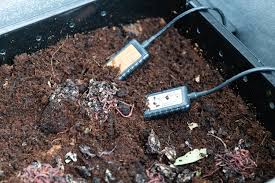
When we think of high-yield agriculture, our minds often jump to heavy field machinery, automated tractors, or synthetic chemical inputs. However, some of the most hard-working, high-impact assets on a farm are entirely silent, completely natural, and operate right beneath our boots.
Putting "Worms at Work" through intentional vermicomposting is rapidly becoming the gold standard for regenerative, high-yield agriculture. By setting earthworms to work recycling organic farm waste, growers can mass-produce vermicast (worm castings)—a biological powerhouse that restores dead dirt, fights off soil-borne pathogens, and maximizes crop output without chemical dependency.
The Biology: Nature’s Ultimate Processing Machine
Earthworms are essentially miniature bioreactors. In a standard composting pile, organic matter breaks down slowly via bacteria and heat. When you put specialized composting worms—like the Red Wiggler (Eisenia fetida) or the African Nightcrawler (Eudrilus eugeniae)—to work, the process accelerates dramatically.
As worms consume agricultural residues, cow manure, and decaying plant matter, the waste passes through their digestive tracts. Here, it is ground down mechanically and mixed with a dense concentration of beneficial microbes, enzymes, and natural plant growth hormones. What comes out the other end is vermicast: a highly stable, nutrient-rich organic fertilizer that outperforms standard compost on every agronomic metric.
How "Worms at Work" Supercharge Your Farm Assets
Integrating vermicomposting systems into a commercial or smallholder farm operation delivers an incredibly powerful set of structural advantages:
1. Immediate Nutrient Availability
Traditional fertilizers often lock nutrients up in the soil, requiring heavy watering or chemical breakdowns before roots can absorb them. Vermicast stores essential plant macronutrients (Nitrogen, Phosphorus, and Potassium) inside a highly soluble, plant-ready form, allowing crops to feed immediately.
2. Structural Soil Engineering
Worm castings are structurally unique; they are shaped like microscopic aggregates that stick together cleanly. When integrated into the ground, they permanently fix soil architecture:
-
In Sandy Soils: They act like tiny sponges, binding loose particles together to boost water retention.
-
In Heavy Clay Soils: They loosen tightly packed dirt, opening up vital pore networks so plant roots can breathe and dive deeper.
3. Inoculating the Soil with Probiotics
Healthy soil must be alive. The passage of waste through an earthworm increases the surrounding microbial population by over 1,000 times. This dense wave of beneficial bacteria and mycorrhizal fungi forms a biological shield around plant roots, actively outcompeting harmful soil pathogens like root rot and fusarium wilt.
Setting Up an Efficient Vermicomposting Loop
To successfully get worms working at a commercial scale, the management framework requires a simple but disciplined environmental setup:
-
The Ideal Bedding: Worms need a loose, carbon-rich home. Shredded cardboard, dried leaves, or aged coconut coir serve as excellent base layouts.
-
The Feeding Grid: Layer organic waste—such as livestock manure, fruit peels, and crop residues—in thin, manageable increments (). Avoid introducing dairy, meats, or highly acidic citrus fruits, which can disrupt the bed's chemistry.
-
Moisture and Climate Control: Composting worms thrive best in moisture levels resembling a wrung-out sponge (around 60–70%) and comfortable, ambient temperatures between and .
The Structural Economic and Environmental Payoff
Transitioning away from chemical inputs to put living biology to work delivers major seasonal returns:
-
Massive Input Cost Savings: Utilizing on-farm organic waste to generate your own high-grade vermicast eliminates the need to buy expensive synthetic fertilizers, padding your seasonal profit margins.
-
Reduced Irrigation Demands: Because vermicast drastically enhances the moisture-holding capacity of the topsoil, fields require significantly less water to maintain optimal crop hydration during dry spells.
-
Premium Market Crop Quality: Crops grown in highly active vermicompost consistently display higher sugar concentrations ( levels), richer flavor profiles, and extended shelf-lives, allowing growers to secure premium market pricing.
The Future is Biological
As chemical fertilizer prices fluctuate and global soils face severe erosion crises, agriculture must step back from aggressive synthetic treatments and lean into natural balance. Putting worms to work proves that the ultimate key to crop security isn't engineered in a laboratory—it is already living in the soil. By scaling up vermicomposting systems, modern growers can comfortably rebuild their land's long-term fertility, protect local water tables, and unlock highly profitable, sustainable crop yields for generations to come.