Robotic Milking System: Automated Dairy Farming for Higher Efficiency and Animal Welfare
Modern dairy farming is undergoing a massive shift. While traditional milking methods have carried the industry for generations, today’s dairy farmers face a complex web of modern challenges—ranging from severe labor shortages and rising operational costs to the need for improving herd health and milk production efficiency.
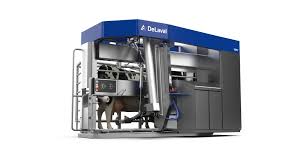
The Robotic Milking System is stepping up to solve these exact pain points. This advanced dairy automation technology focuses on fully automated milking—using intelligent robotic arms, sensor-based teat detection, milk quality monitoring, and herd management software to revolutionize modern dairy operations.
1. The Problem: Labor-Intensive Milking and Herd Management
-
High Labor Dependency: Conventional milking requires workers to perform repetitive tasks multiple times a day, making dairy operations labor-intensive and increasingly expensive.
-
Inconsistent Milking Schedules: Fixed milking times may not align with individual cow needs, causing stress and limiting milk production potential.
-
Herd Health Monitoring Challenges: Detecting mastitis, milk quality issues, and changes in cow behavior manually can be difficult in large dairy herds.
2. The Solution: Fully Automated Precision Milking
-
Voluntary Cow Milking: Cows can visit the robotic milking station whenever they need milking, reducing stress and improving animal comfort.
-
Automatic Milking Process: The system identifies each cow, cleans the udder, attaches milking cups, collects milk, and removes equipment automatically without human intervention.
-
Real-Time Health Monitoring: Continuously tracks milk yield, milk quality, cow activity, and health indicators to support better herd management decisions.
3. Key Components and Features
-
Robotic Milking Arm: Uses advanced sensors and precision controls to automatically locate teats and attach milking cups accurately.
-
Cow Identification System: RFID tags or smart sensors identify each animal and record individual production data.
-
Milk Quality Monitoring Unit: Continuously measures milk conductivity, temperature, color, and other indicators to detect health issues early.
-
Automated Cleaning and Sanitization System: Cleans teats and milking equipment before and after each milking session to maintain hygiene standards.
-
Herd Management Software: Provides farmers with real-time data on milk production, feeding behavior, health status, and breeding information through digital dashboards.