Automated Feed Pushing Robot: Smart Feed Management for Modern Dairy Farming
Modern dairy farming is undergoing a massive shift. While traditional livestock management methods have carried the industry for generations, today’s dairy farmers face a complex web of modern challenges—ranging from labor shortages and rising operational costs to the need for maximizing feed efficiency and milk production.
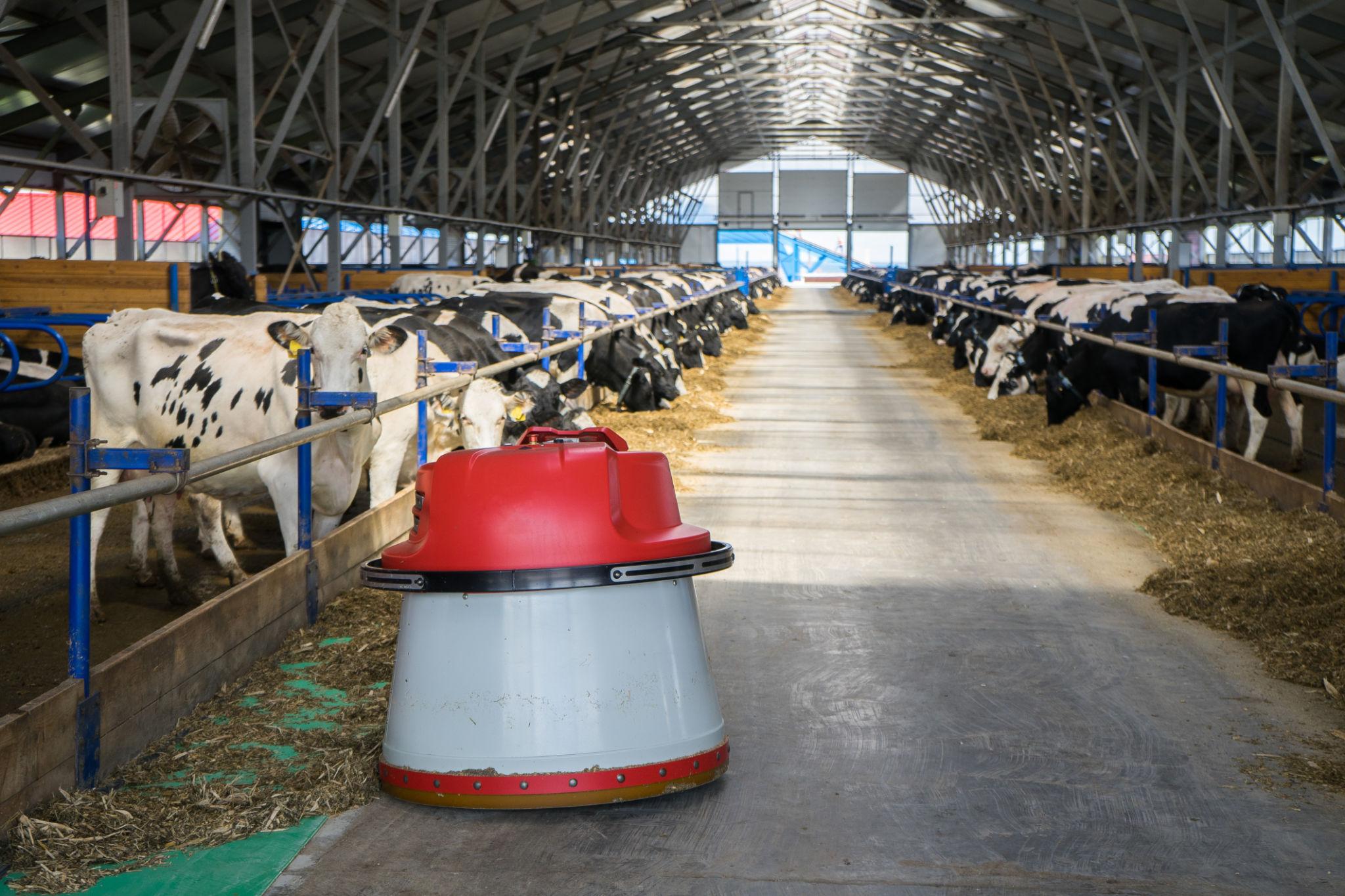
The Automated Feed Pushing Robot is stepping up to solve these exact pain points. This intelligent livestock management system focuses on keeping feed continuously accessible to animals—using autonomous navigation, smart sensors, and robotic feed-pushing mechanisms to revolutionize feeding operations in dairy farms.
1. The Problem: Labor-Intensive Feed Management
-
High Labor Dependency: Farmers must repeatedly push feed back toward the feeding fence throughout the day, requiring significant labor and time.
-
Feed Wastage: As cows eat, feed gradually moves out of reach, causing animals to consume less and leaving valuable feed unused.
-
Reduced Milk Production Potential: Limited feed accessibility can reduce feed intake, negatively affecting animal health, milk yield, and overall farm profitability.
2. The Solution: Autonomous Feed Availability Management
-
Automatic Feed Pushing: Continuously moves feed closer to animals throughout the day, ensuring easy access without human intervention.
-
Improved Feed Intake: Encourages more frequent feeding behavior by keeping fresh feed within reach of the herd.
-
Consistent Farm Operations: Operates on scheduled routes day and night, maintaining uniform feed availability and reducing labor requirements.
3. Key Components and Features
-
Autonomous Navigation System: Uses sensors, cameras, and guidance technology to travel safely along feeding alleys without operator assistance.
-
Rotating Feed-Pushing Mechanism: Specialized wheels, discs, or pushing arms gently move feed toward the feeding fence while minimizing waste.
-
Obstacle Detection Sensors: Detects animals, equipment, and obstacles to ensure safe and reliable operation within the barn.
-
Programmable Control System: Allows farmers to schedule operating times, feeding routes, and robot activity according to herd requirements.
-
Remote Monitoring Dashboard: Provides real-time information on robot performance, battery status, route completion, and feeding activity.