Agri Swarm Robots: Collaborative Robotics for the Future of Farming
Modern agriculture is undergoing a massive shift. While traditional farming methods have carried the sector for generations, today’s farmers face a complex web of modern challenges—ranging from severe labor shortages and rising machinery costs to the growing demand for precision farming and sustainable production.
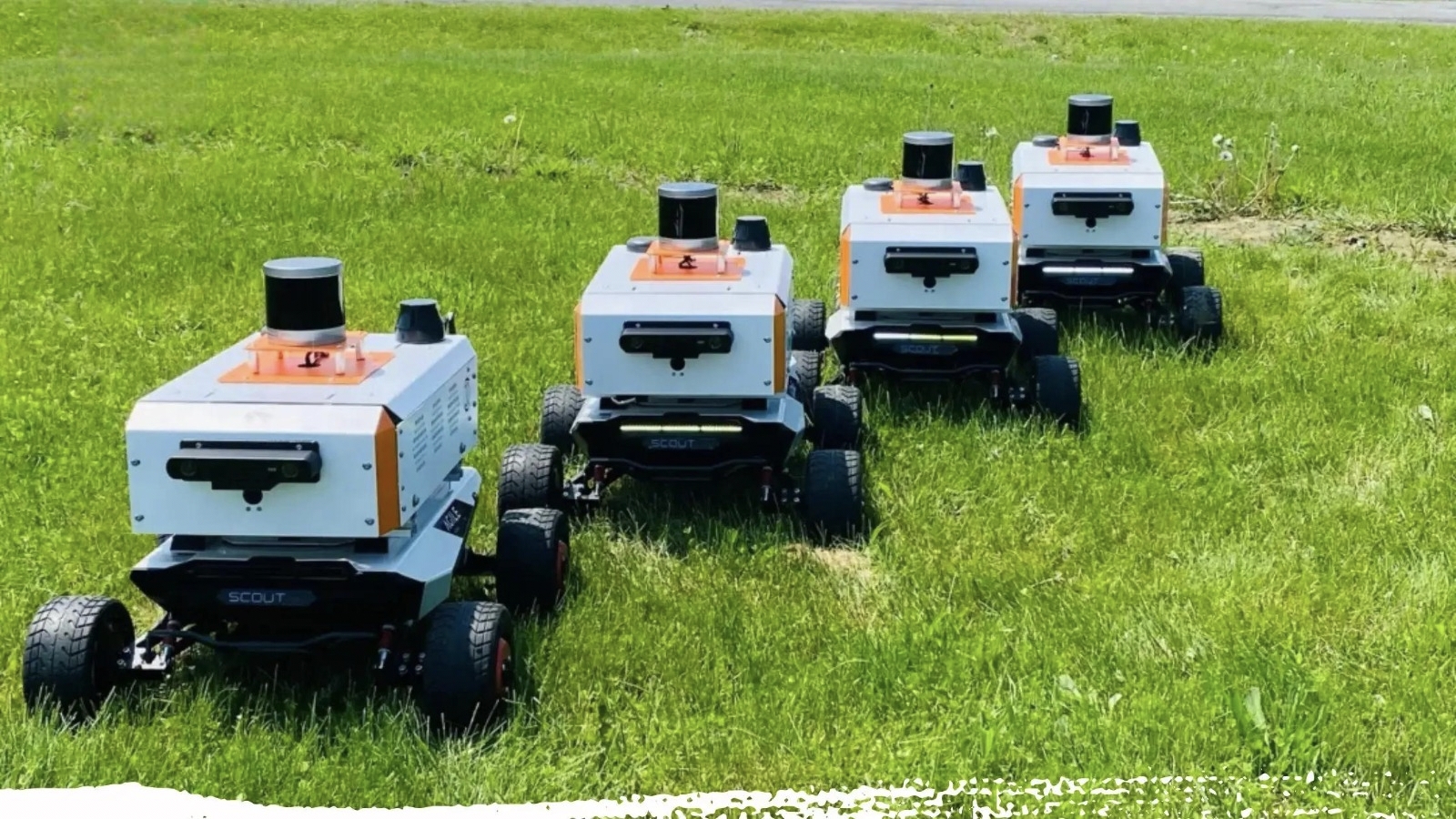
The Agri Swarm Robots are stepping up to solve these exact pain points. This advanced agricultural technology focuses on coordinated multi-robot operations—using artificial intelligence, autonomous navigation, wireless communication, and real-time data sharing to revolutionize field management and crop production.
1. The Problem: Labor Shortages and Inefficient Large-Scale Operations
-
Severe Labor Dependency: Many agricultural tasks such as planting, weeding, monitoring, spraying, and harvesting require large workforces that are becoming increasingly difficult and expensive to secure.
-
Heavy Machinery Limitations: Large tractors and equipment can cause soil compaction, consume significant fuel, and may not efficiently perform precision tasks across diverse field conditions.
-
Limited Operational Flexibility: Traditional machinery often performs one task at a time, reducing efficiency during critical farming periods.
2. The Solution: Cooperative Autonomous Farming
-
Multi-Robot Collaboration: Multiple small autonomous robots work together simultaneously to perform agricultural operations across large fields.
-
Precision Task Execution: Each robot can be assigned specific responsibilities such as planting, weeding, spraying, crop monitoring, or data collection with exceptional accuracy.
-
Continuous Field Operations: Swarm robots can operate day and night while communicating with each other to optimize efficiency and avoid overlaps.
3. Key Components and Features
-
Artificial Intelligence Coordination System: Advanced AI software manages task allocation, route planning, and real-time decision-making across the robotic fleet.
-
Autonomous Navigation Technology: GPS, cameras, LiDAR, and onboard sensors enable precise movement and safe operation throughout the field.
-
Wireless Communication Network: Robots continuously exchange information regarding location, task progress, crop conditions, and field status.
-
Modular Task Attachments: Supports interchangeable tools for seeding, weeding, spraying, fertilizing, monitoring, and harvesting applications.
-
Centralized Monitoring Platform: Farmers can oversee the entire robotic fleet, monitor performance, and manage field operations through a digital dashboard.