Robotic Fish Farming System: Intelligent Aquaculture for Sustainable Seafood Production
Modern aquaculture is undergoing a massive shift. While traditional fish farming methods have carried the industry for generations, today’s fish producers face a complex web of modern challenges—ranging from labor shortages and rising feed costs to water quality management issues and disease outbreaks.
The Robotic Fish Farming System is stepping up to solve these exact pain points. This advanced aquaculture technology focuses on automated fish production—using artificial intelligence, smart sensors, autonomous feeding systems, underwater robots, and real-time monitoring platforms to revolutionize modern fish farming.
1. The Problem: Labor-Intensive Monitoring and Resource Management
-
High Labor Dependency: Daily feeding, water quality monitoring, fish health inspections, and cage maintenance require continuous human involvement, increasing operational costs.
-
Water Quality Fluctuations: Changes in oxygen levels, temperature, pH, and water quality can quickly affect fish health and reduce growth performance.
-
Disease Detection Challenges: Identifying fish diseases and abnormal behavior early is difficult, often leading to production losses and increased treatment costs.
2. The Solution: Automated and Data-Driven Aquaculture
-
Autonomous Fish Monitoring: Smart cameras, underwater robots, and AI systems continuously observe fish behavior, growth patterns, and health conditions in real time.
-
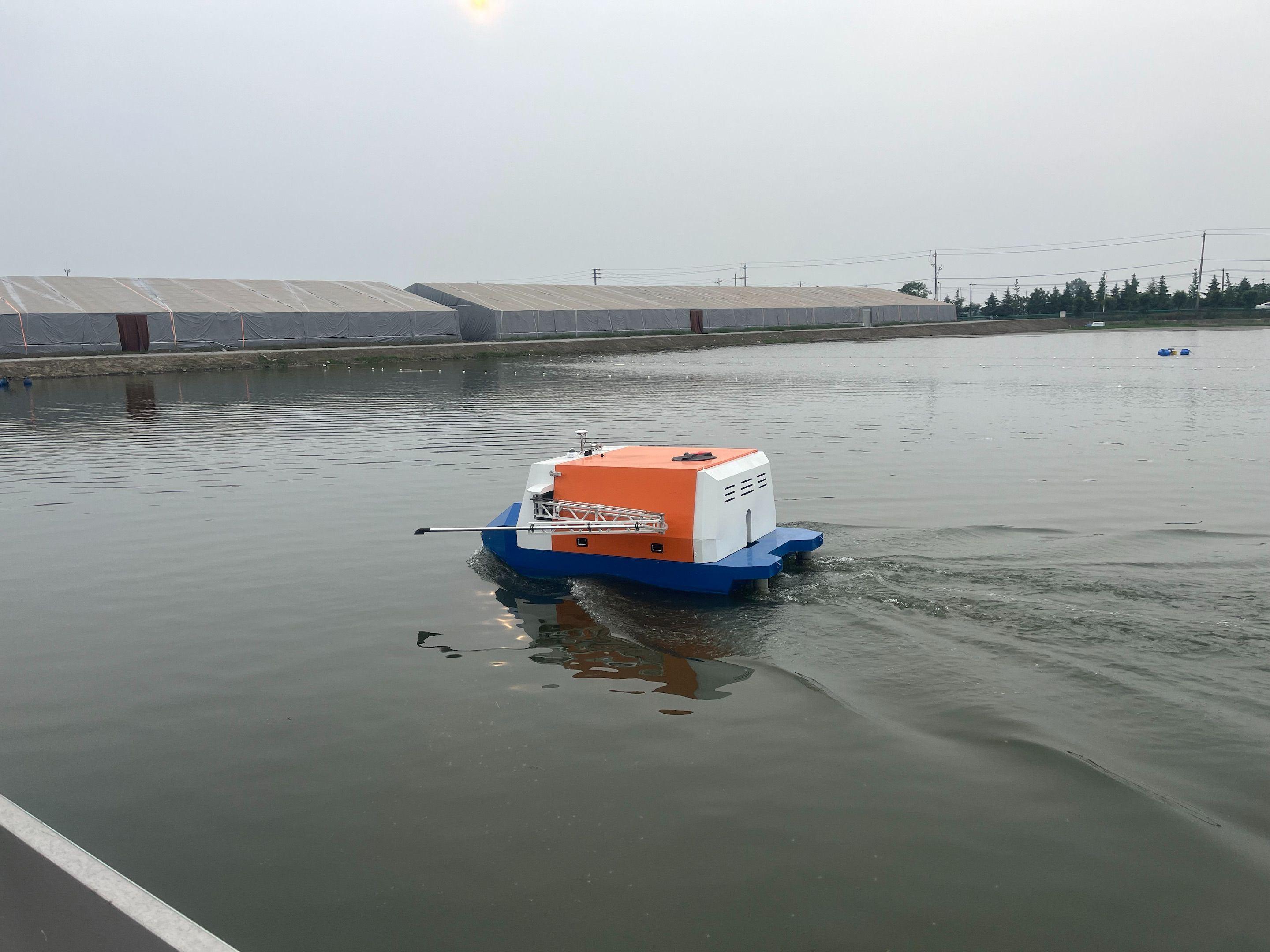
Precision Feeding Management: Automated feeding systems deliver the right amount of feed at optimal times, reducing feed waste and improving feed conversion efficiency.
-
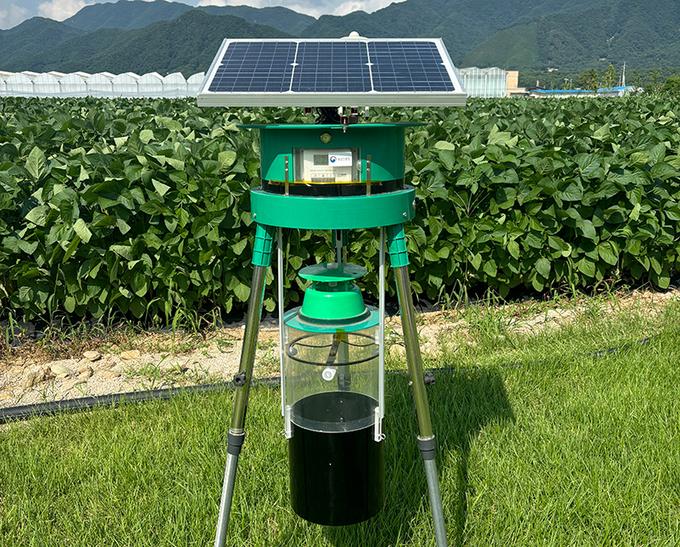
Real-Time Water Quality Control: Sensors continuously monitor environmental conditions and automatically trigger corrective actions when required.
3. Key Components and Features
-
AI Vision Monitoring System: Underwater cameras and machine learning software analyze fish movement, feeding behavior, and health indicators.
-
Automated Feeding Robot: Dispenses feed precisely according to fish population, size, growth stage, and feeding activity.
-
Water Quality Sensor Network: Continuously measures dissolved oxygen, pH, temperature, salinity, ammonia levels, and other critical parameters.
-
Underwater Inspection Robot: Performs routine inspections of tanks, cages, nets, and fish populations while reducing manual diving requirements.
-
Remote Farm Management Dashboard: Provides farmers with real-time access to production data, feeding performance, fish health reports, and environmental conditions.