The new agritech paradigm: From innovation to integration
Agriculture has long been the heartbeat of India, supporting nearly 58% of the country's population and contributing a massive 18% to the national GDP. For generations, this sector relied heavily on traditional knowledge passed down through families. Today, however, we are witnessing a quiet revolution. India’s fields are rapidly evolving beyond legacy practices, stepping into a new era defined by digitalization, long-term sustainability, and inclusive growth.
According to a landmark EY-Assocham report titled The new agritech paradigm: From innovation to integration for a future ready agriculture in India, the secret to securing the future of our food systems lies in technology convergence. It is no longer just about launching a single app or deploying a standalone tool; it is about bringing sustainable agri-solutions, smart farming technologies, digital supply chains, and a circular economy together under one connected ecosystem.
The Next Frontier: Building a Resilient, Inclusive Agri-Economy
The early waves of agritech focused on incremental fixes—like basic e-commerce for seeds or basic weather alerts. The next frontier, however, is far more ambitious. We are moving toward a fully integrated agritech landscape where artificial intelligence (AI), automation, and biology work hand-in-hand.
This deep tech integration manifests in incredible ways on the ground:
-
Climate-Resilient Biology: Breakthroughs in genomics and bio-enhanced inputs are helping crops survive harsh weather conditions and pest outbreaks.
-
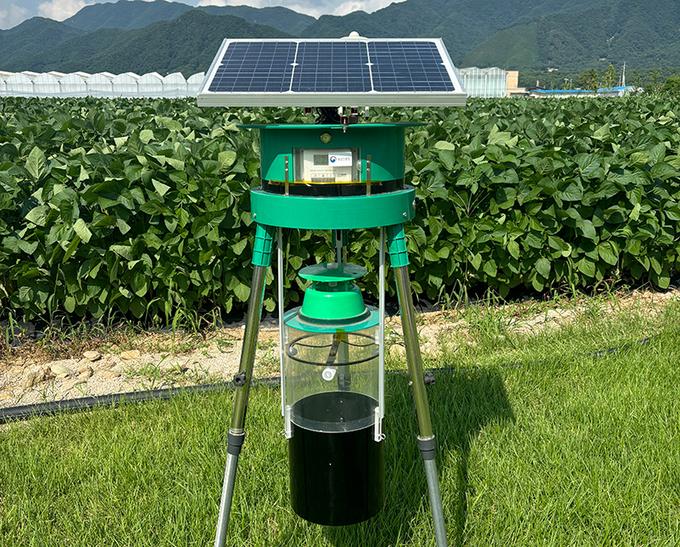
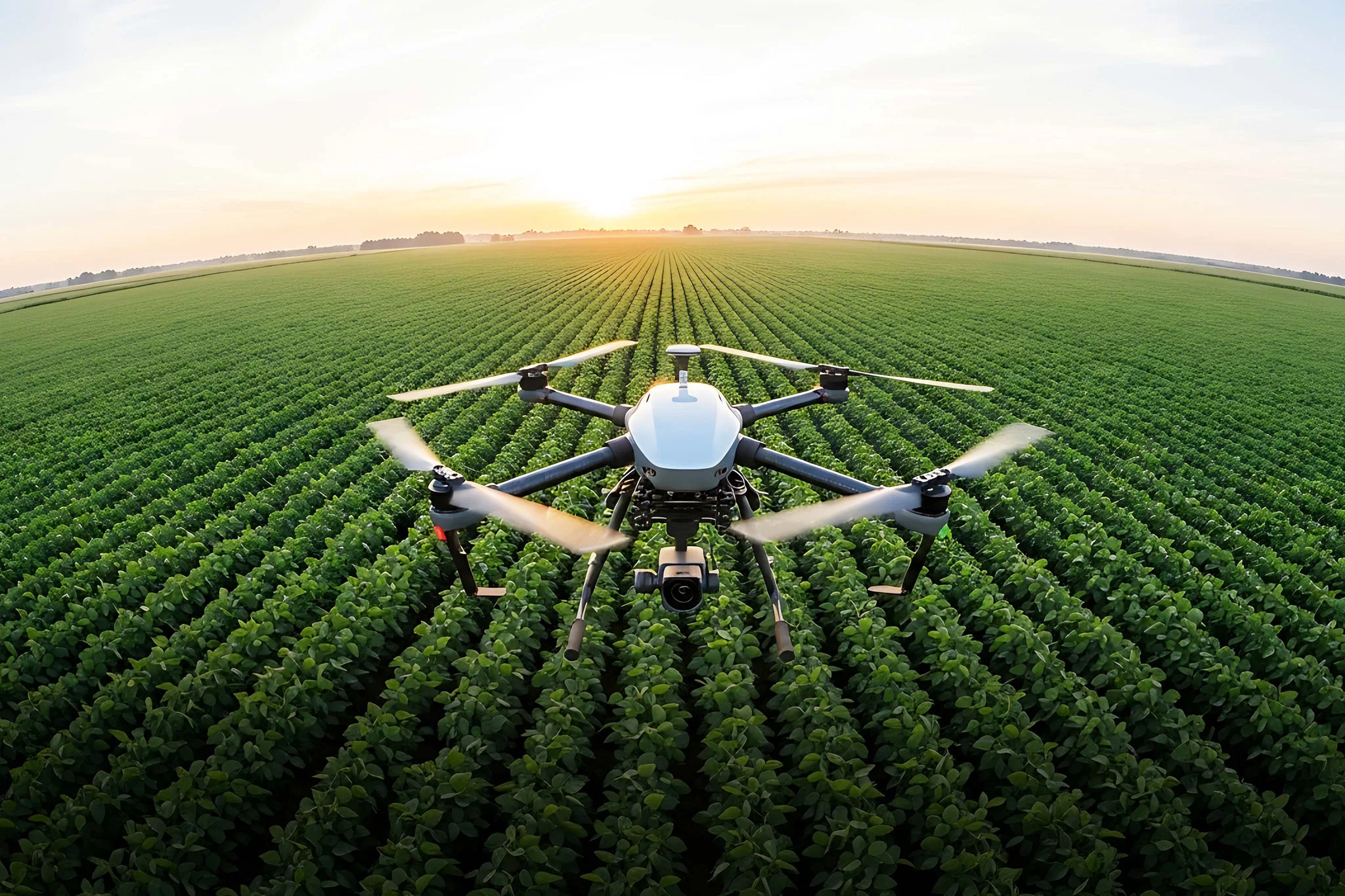
Precision Field Operations: IoT-enabled field monitoring, drone-assisted precision spraying, and sensor-guided harvesting are delivering measurable improvements in crop yields while cutting down resource waste.
-
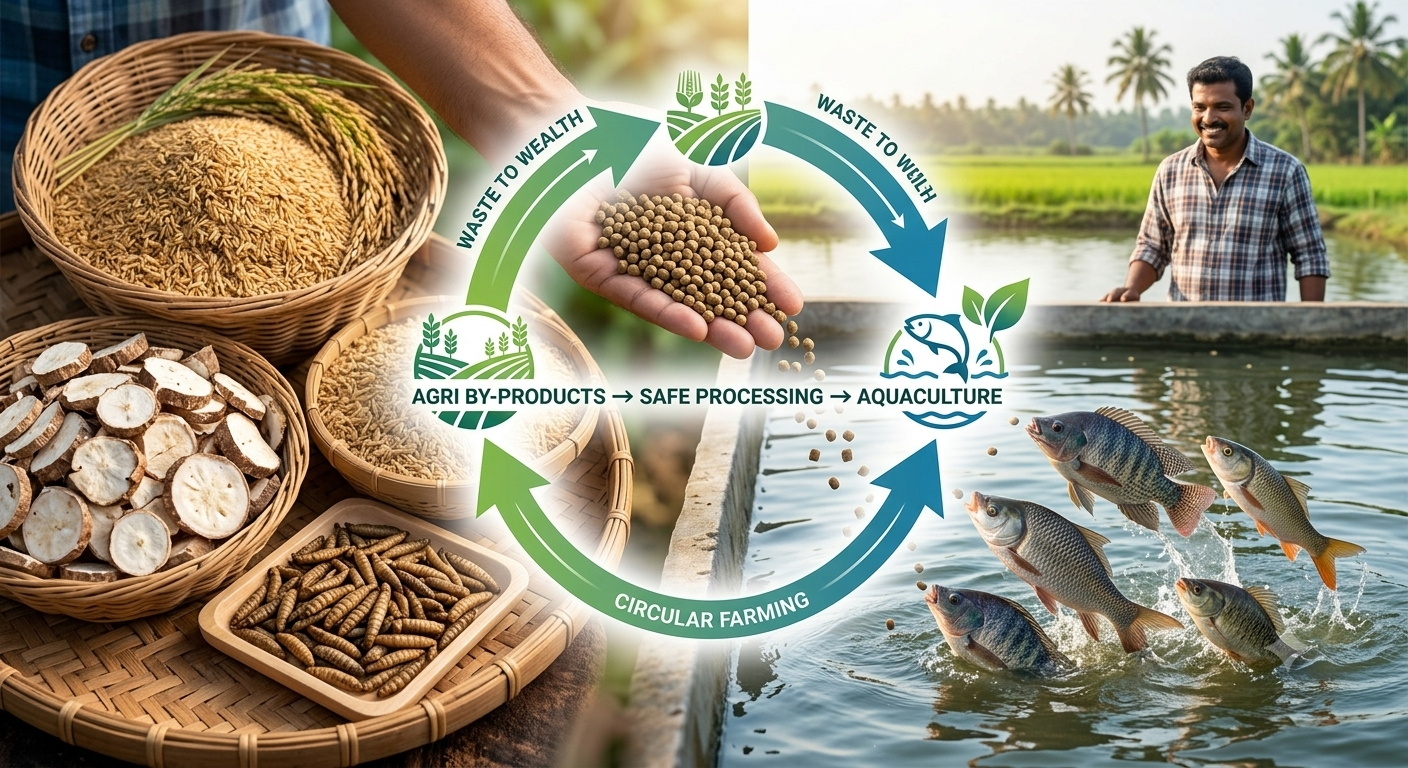
The Circular Agri-Economy: Waste is being reimagined as a resource. The rapid growth of rural biogas, bio-CNG, and waste-to-energy initiatives is driving agricultural sustainability while directly supporting India's national green energy goals.
The Three Pillars Driving the Transformation
This digital shift isn't happening by accident; it is anchored by three powerful, foundational enablers across the country:
-
Digital Public Infrastructure (DPI): Government-backed platforms like AgriStack, Krishi DSS, VISTAAR, and the Open Network for Digital Commerce (ONDC) are acting as the "highways" for digital farming. They provide innovators and startups with secure, verified datasets and plug-and-play APIs, drastically lowering development costs.
-
A Thriving Startup Ecosystem: India is now home to over 7,000 agri-startups. Fueled by dedicated incubators and strategic safety nets like the RKVY-RAFTAAR scheme and the INR 750 crore AgriSURE Fund, young entrepreneurs have the financial backing needed to take risks and scale their businesses.
-
Maturing Capital Inflows: Institutional funding is shifting gears. The sector is moving away from minor capital experimentation toward true ecosystem-scale growth, shaping highly viable, long-term business models across the entire supply chain.
Overcoming Structural Barriers to Scale
Despite this massive momentum, full-scale adoption still faces significant real-world bottlenecks. India's agricultural landscape is uniquely complex. More than 85% of our farmers are smallholders operating on less than two hectares of land, making it difficult to design one-size-fits-all solutions. Low seasonal income and limited access to formal credit mean many farmers lack the purchasing power to adopt modern tools. Furthermore, fragmented data silos and complex technology validation processes often slow down how quickly a great idea can travel from a research lab to an actual farm.
The Strategic Way Forward
To successfully shift from isolated innovations to true systemic integration, the agricultural ecosystem must embrace collaborative pathways:
-
Agritech Sandboxes: Creating real-world testing environments backed by state departments, the Indian Council of Agricultural Research (ICAR), State Agricultural Universities (SAUs), and NABARD. These sandboxes allow startups to pilot and validate their tech in actual fields, building vital trust among local farming communities.
-
Unified Data Ecosystems: Establishing a secure "Agricultural Data Commons." By looking at successful localized models like Telangana’s Agricultural Data Exchange (ADeX), India can democratize access to vital data while maintaining strict privacy standards.
-
New-Age Business Models: Startups must move past traditional retail models. By embracing Software-as-a-Service (SaaS), pay-per-use equipment leasing, and grassroots fractional ownership, we can ensure that even the most marginal farmer has equal access to the future of farming.