
Securing initial investment is often the highest hurdle for early-stage founders trying to modernize India’s food systems. While venture capital firms offer massive checks down the line, chasing them at the ideation or Minimum Viable Product (MVP) phase usually leads to premature equity dilution or distraction from refining the actual technology. For early-stage agritech innovators, the most strategic way to survive the "valley of death" is through non-dilutive, equity-free government and institutional grants.
Right now, a major wave of academic and government-backed incubator grants has opened up across India. Offering equity-free seed capital ranging from ₹4 lakh to ₹25 lakh and beyond, these active programs provide the exact financial cushion founders need to convert laboratory prototypes into market-ready field products.
If you are currently building a deep-tech agricultural solution, here are the key active programs closing in late June and July 2026 that you must check:
1. IIT Kharagpur Agri-Startup Incubation Programme (AIP)
Hosted under the Agri-Food Business Incubation Centre (AFBIC IIT Kharagpur), this program acts as a premier national launchpad for early-stage agritech ventures. Supported directly by the Ministry of Agriculture and Farmers Welfare under the RKVY-RAFTAAR framework, the center provides extensive institutional backing.
-
Funding Ticket: Up to ₹25 Lakhs in grant-in-aid (covering up to 85% of the proposed business plan valuation).
-
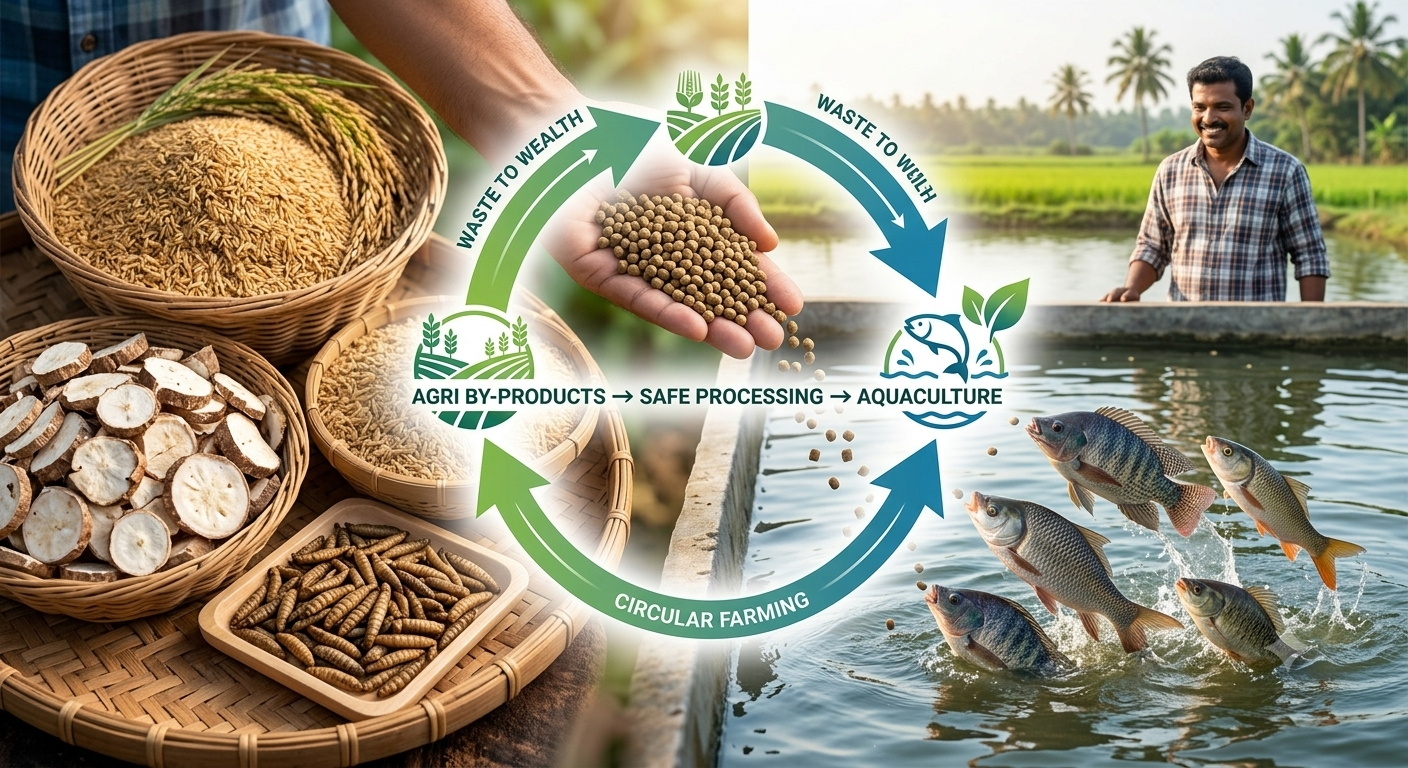
Focus Areas: Novel food technologies, value-added processing, Internet of Things (IoT) and AI-driven farm tech, solar-based innovations, and waste-to-wealth systems.
-
The Benefit: Beyond capital, selected startups gain access to advanced test laboratories at IIT Kharagpur, dedicated intellectual property (IP) filing assistance, and structural product design mentoring.
2. SmartAgri Center of Excellence (CoE) Open Challenge
Administered through Software Technology Parks of India (STPI), the SmartAgri CoE Open Challenge Program is actively inviting applications from emerging electronics, biotechnology, and IT ventures targeting the agricultural sector.
-
Funding Ticket: Seed funding and investment support up to ₹35 Lakhs.
-
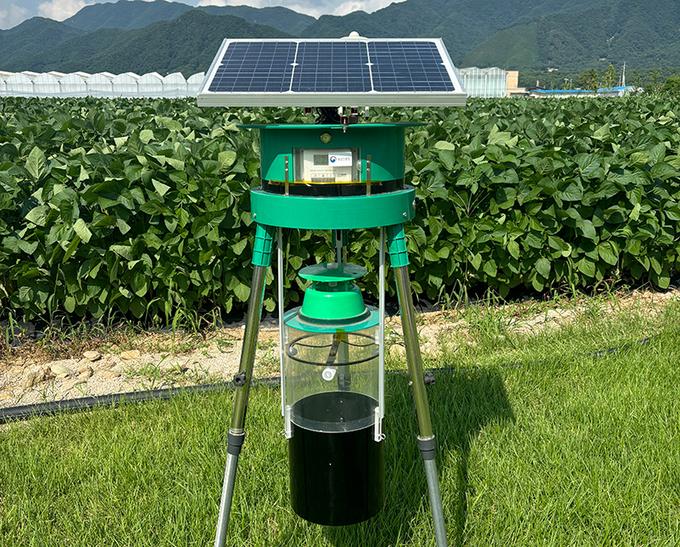
Core Mandate: The challenge focuses heavily on validating technologies that leverage electronics and ICT tools to drive sustainability. Think of plug-and-play automated hardware, remote sensing algorithms, and edge-computing devices for smart farms.
-
Deadline Alert: The application portal for this cohort remains open until July 15, 2026. Selected startups receive physical lab facilities, high-speed connectivity, virtual acceleration, and direct market-linkage pipelines to corporate agribusiness clients.
3. The NUZEN Agri-Startup Grant
Designed specifically to fuel grassroots agribusiness and rural transformation, the NUZEN Agri-Startup Grant focuses its capital on operational scale and supply-chain efficiency. This grant targets innovators addressing post-harvest management, cold-chain optimization, and local marketplace connectivity for smallholders.
-
Funding Ticket: Equity-free capital brackets scaling from ₹4 Lakh to ₹15 Lakh, depending on the maturity of the startup's operational model.
-
Who Should Apply: Founders who have validated their initial technology in local fields and need immediate capital to execute commercial pilot runs across new agrarian districts.
How to Prepare a Winning Application
Review committees across these top-tier institutions look for three core indicators before approving an equity-free payout:
-
Clear Problem Validation: You must demonstrate a deep understanding of a specific, tangible pain point faced by Indian farmers (e.g., input cost inflation, labor scarcity, or post-harvest spoilage).
-
Scalability of the Core Tech: Show that your hardware or software isn't just a bespoke regional fix, but a modular solution that can scale across diverse soil and linguistic regions.
-
Milestone Realism: Ensure your proposed financial plan clearly outlines exactly how the grant money will transition your company from its current phase into a commercialized Proof-of-Concept or a revenue-generating Minimum Viable Product.