Cutting the Cord: How Wireless Solenoid Nodes are Revolutionizing Drip Irrigation
If you have ever managed a commercial farm, an orchard, a vineyard, or a sprawling landscape layout, you already know the nightmare that is traditional field wiring. Miles of buried copper lines, relentless troubleshooting for wire degradation, and the inevitable lightning strike that fries an entire zone's electronics are just part of the job.
But the industry has shifted. Wireless drip irrigation solenoid nodes have officially transformed how we manage water, ditching the trenches for reliable, long-range radio waves. Here is a breakdown of what these wireless nodes are, how they function, and why they are becoming essential for modern precision agriculture.
What Exactly is a Wireless Solenoid Node?
In a standard automated drip system, a central controller sends a 24V AC electrical signal through physical wires to a solenoid valve, telling it to open or close.
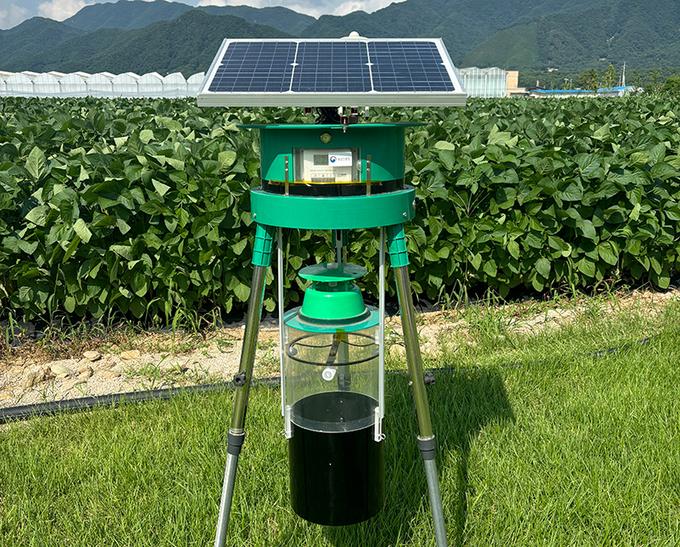
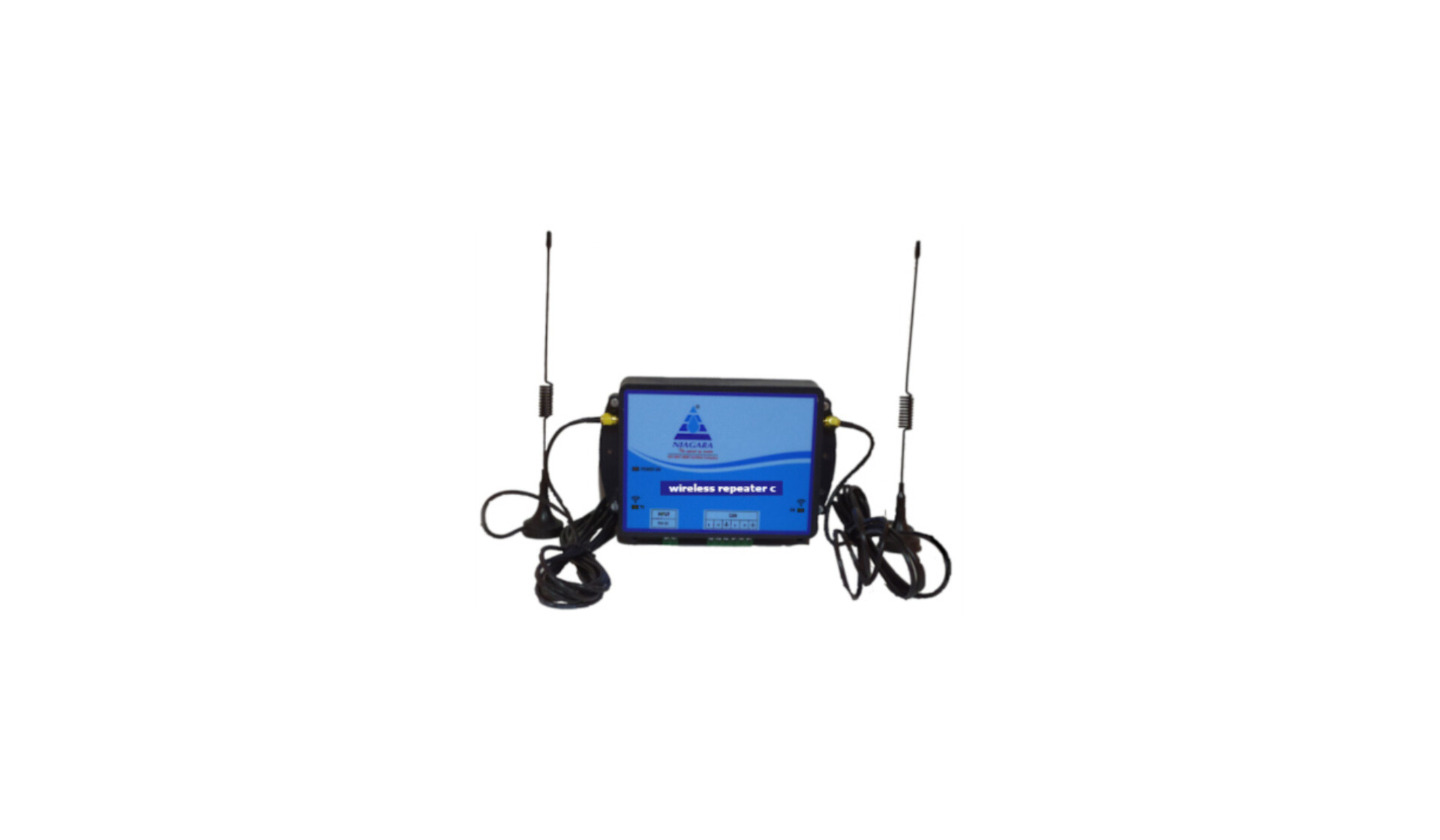
A wireless solenoid node cuts that wire entirely. It is a compact, ruggedized, battery- or solar-powered device installed directly at the valve box out in the field. Acting as a localized mini-controller, it listens for wireless commands from a central gateway or master controller and physically switches the valve using low-power pulses.
The Secret Sauce: DC-Latching Solenoids
Standard wired systems require continuous electrical current to keep a valve open. Because wireless nodes run on batteries, continuous power is a non-starter. Instead, they utilize DC-latching solenoids (typically 9V to 12V DC).
How it works: The wireless node sends a single, rapid millisecond electrical pulse to "latch" the valve open, where it stays mechanically without drawing any more power. When the watering cycle finishes, the node sends a reverse pulse to unlatch and shut the valve. This method uses virtually zero standby energy, allowing a couple of standard 9V batteries to run a node for up to 3 to 5 years.
The Core Architecture: How It Connects
Modern wireless valve systems generally rely on LoRa® (Long Range) or 900 MHz radio technology. This allows nodes to operate seamlessly over massive distances without needing a cellular SIM card for every single valve.
The network layout typically follows a clean, hub-and-spoke sequence:
[ Central Controller / Cloud App ]
               │
               ▼
       [ Wireless Gateway ]
               │
         (LoRa Radio Link)
               │
               ▼
   [ Wireless Solenoid Node ] ───► [ DC-Latching Valve ]
-
The Master Gateway: Plugged into power at the main pump station or office, often connected to the internet via Wi-Fi or cellular.
-
The Wireless Nodes: Scattered miles across the fields, mounted directly inside or just above the plastic valve box lids. Brand systems like Hunter’s Wireless Valve Link or Dragino’s LoRaWAN nodes can easily trigger valves up to 650 meters (2,000 feet) to 3 kilometers away line-of-sight.
-
Repeaters: Solar-powered signal boosters used to bypass hills, dense tree canopies, or massive hardscape barriers.
The Major Benefits of Going Wireless
1. Drastic Reduction in Installation & Labor Costs
Trenching, conduit laying, and backfilling copper wire across roads, pathways, or established orchards is incredibly labor-intensive. Wireless nodes allow you to drop a valve box anywhere, sync it to your network via Bluetooth or a mobile app in seconds, and start irrigating.
2. Immunity to Environmental Hazards
Buried wires eventually decay, get chewed through by rodents, or severed by an accidental tractor shovel. Worse, long runs of copper wire act like giant antennae for lightning strikes, blowing out expensive central controllers. Wireless nodes isolate each valve box, protecting your central infrastructure.
3. Infinite Scalability
Need to add two new rows of drip lines across a paved farm lane? Instead of cutting up asphalt to run wire, you simply install a multi-station wireless node (available in 1-, 2-, or 4-station configurations) and expand your irrigation layout instantly.
4. Smart Integration with Sensors
Many modern wireless irrigation nodes do not just act as output switches—they are two-way communicators. A single LoRa node can manage a solenoid valve while simultaneously reading data from an attached soil moisture sensor or flow meter, feeding real-time telemetry back to your smartphone app.
Is It Time to Switch?
While wireless nodes carry a higher upfront hardware cost than a basic spool of commodity wire, the savings in trenching labor, copper costs, and long-term troubleshooting pay for themselves quickly—especially on complex or expanding properties.
If you are designing a new drip footprint or tired of hunting down broken field wires in an old one, going wireless is no longer a futuristic luxury. It is simply the smartest way to manage your water.