From Fruit Seeds to Eco-Friendly Packaging:
The Future of Sustainable Farming What if the seeds we throw away after eating a jackfruit or a jamun could actually save our planet?
At Kisan 360, we are always looking for innovations that empower farmers and protect the environment.
Today, we’re diving into a breakthrough technology:
Biodegradable packaging made entirely from fruit seeds.
Turning Waste into Value
Farmers and consumers often discard seeds from fruits like Jackfruit, Jamun, and Litchi.
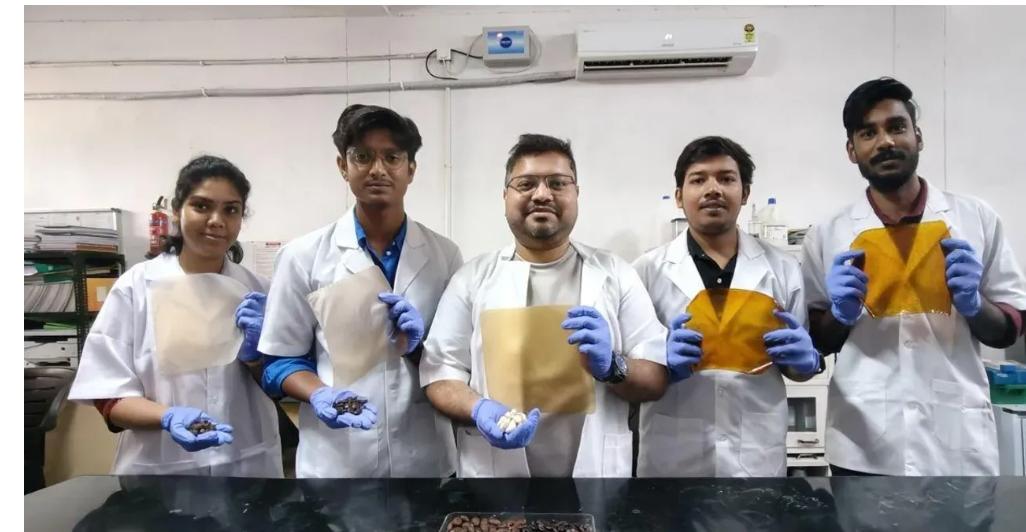
However, researchers have found a way to transform these "wastes" into a high-quality, biodegradable alternative to plastic.
How is it made?
The process is a perfect blend of nature and science:
Extracting the Base: Scientists extract Starch (a natural polymer) from the discarded fruit seeds.
The Secret Ingredient:This starch is mixed with polysaccharides derived from Tamarind seeds.
The Result: A flexible, plastic-like film or sheet that is strong enough for commercial packaging.
Why is it Better than Plastic?
This isn't just a "green" alternative; it’s a high-performance material. It boasts:
*Mechanical Strength: It is as tough and durable as traditional plastic.
*Flexibility : It can be folded and molded into various shapes.
*Barrier Properties: It acts as a shield, protecting food from external air and harmful microbes.
*A Game Changer for Farmers : Extending Shelf Life
This technology directly benefits the farming community through a "Dipping Technique."
Fruits can be dipped into this liquid material to form a thin, invisible protective layer.
The Result?
Produce like tomatoes can stay fresh for an additional 15 days!
* This significantly reduces post-harvest losses and gives farmers more time to get their produce to the market at a better price.
*100% Eco-Friendly:From Soil to Soil
*The biggest victory is the environmental impact.
*While a plastic bag can take 700 years to decompose, this seed-based packaging disappears in just 60 days.
Nutrient Rich:
As it dissolves, it releases nutrients back into the ground.
Soil Health:
*It supports beneficial soil microbes, making the land more fertile for the next crop.
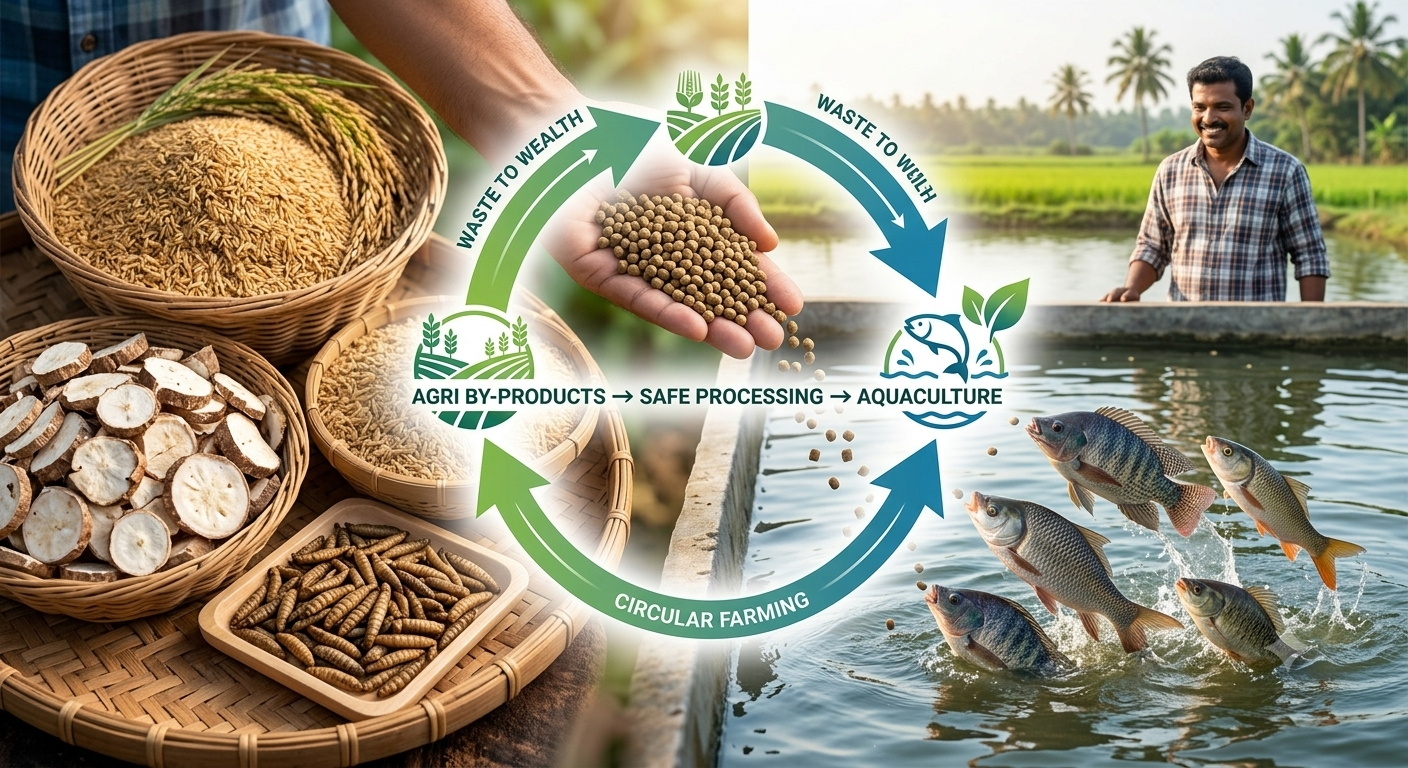
*The Circular Economy
*This is a perfect example of a Circular Economy :
*Waste (Seeds) → Product (Packaging) → Soil Nutrients → New Crops
*By closing the loop, we are not just reducing pollution;
*we are creating a sustainable cycle that supports the earth and the farmer alike.
SORCE:Better India