.jpg)
The global agricultural landscape is shifting. For decades, modern farming relied heavily on heavy chemical inputs to maximize yields and fight off pests. While that strategy kept up with food demands for a time, it came with a steep cost to soil health, ecosystems, and water supplies. Today, we are standing on the brink of a new era—the Green Revolution 2.0. By marrying advanced engineering with natural biological processes, agronomists and tech startups are introducing eco-friendly solutions that don't just protect the environment; they actually make farming more precise, cost-effective, and sustainable.
Let’s dive into three groundbreaking technologies rewriting the rules of modern cultivation.
. Species-Specific Pest Control: Outsmarting Bugs with Chemistry
Traditional chemical insecticides have a major flaw: they are indiscriminate killers. When a field is sprayed, it doesn't just eliminate the target pest; it often wipes out vital pollinators like honeybees and degrades the natural microbial life in the soil.
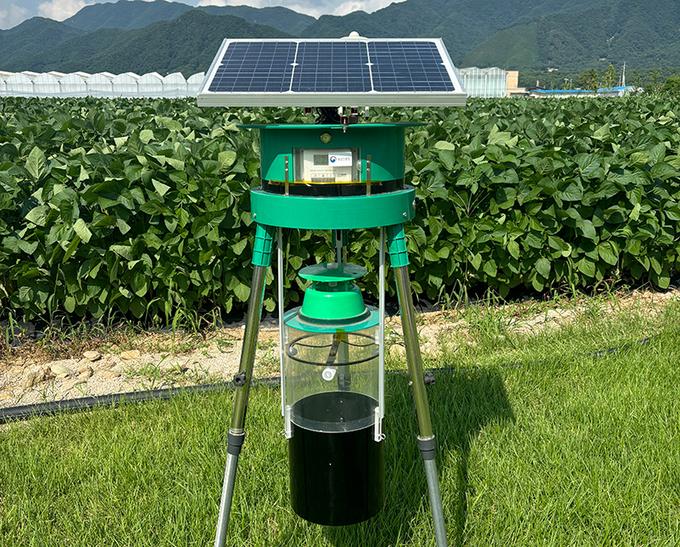
Forward-thinking companies like ATGC Biotech are pioneering a completely different approach using semiochemical and pheromone technologies. Instead of poisoning insects, this method uses nature’s own communication network against them. Every insect species relies on unique chemical scents—pheromones—to find mates. By deploying synthetic versions of these precise pheromones across a field, farmers can safely disrupt and manipulate the mating cycles of specific pests.
The beauty of this technology lies in its precision. It target only the specific pest threatening the crop, leaving beneficial bugs completely unharmed. There are no toxic residues left on the food, no chemical buildup in the soil, and zero risk of pests developing the kind of immunity they usually build against standard chemical sprays.
. Precision Spraying Drones: Sky-High Efficiency
The sight of a tractor driving up and down rows, blanketing an entire field in a thick mist of chemicals, is slowly becoming a thing of the past. Today, the sky is the limit—literally. Agronomists are increasingly leaning into drone technology to bring ultimate precision to field management.
Before a single drop of liquid is dropped, these advanced drones perform high-resolution aerial scans of a crop. Using multispectral imaging, they analyze crop health, pinpointing exactly where plants are stressed, undernourished, or under attack by diseases.
Once the data is processed, the drone shifts from an analyst to a targeted delivery system. Instead of blanket-spraying an entire 50-acre plot, the drone flies autonomously to precise coordinates, delivering exact amounts of pesticides or liquid nutrients only to the specific plants that need them. This hyper-targeted application yields massive benefits:
-
Drastic Resource Savings: Reduces water usage by up to 90% compared to traditional methods.
-
Chemical Reduction: Minimizes chemical runoff into local water tables.
-
Lower Overhead: Slashes labor costs and eliminates tractor fuel consumption.
. Crop-Stage Specific Nutrition: Feeding Plants What They Need, When They Need It
Think of a plant like a growing child—its nutritional needs change dramatically depending on its stage of life. Feeding a young seedling the same heavy nutrient mix required during peak fruit production is inefficient and often harmful to the plant's development.
To solve this, innovative agtech startups are introducing stage-targeted biostimulants. Rather than a one-size-fits-all fertilizer program, these organic formulations are designed to support a plant during its most critical construction and development phases.
-
The Early Phase: Biostimulants focus on robust root architecture and cellular strength.
-
The Budding and Flowering Phases: The formulation shifts to trigger specific hormonal pathways within the plant, giving it a calculated boost of micronutrients right when it is expending maximum energy to produce flowers and fruit.
By aligning plant nutrition with natural growth timelines, farmers can maximize the genetic potential of their crops. This results in higher quality produce, better yields, and stronger plants naturally equipped to withstand environmental stress.