Imagine a world where a farmer doesn’t just look at a vast 10-acre field as a single unit, but can actually understand and cater to the needs of individual plants. For generations, traditional farming relied on uniform practices—applying the same amount of water, fertilizer, and pesticides across an entire plot, regardless of hidden soil variations. Today, thanks to the rise of precision agriculture, treating every square foot of a farm with tailored care is no longer a futuristic fantasy. It is an active reality that is redefining the global food system.
By marrying advanced technology with traditional farming wisdom, precision agriculture is paving the way for a smarter, more resilient, and highly sustainable future.
The Power of Real-Time Farm Data
At its core, precision farming is about removing the guesswork from agriculture. Instead of reacting to problems after crops begin to wither or fail, agronomists and farmers are using an interconnected ecosystem of tech to monitor their fields in real time.
Three foundational technologies make this possible:
-
Satellite Imagery: Provides a bird's-eye view of large-scale field health, tracking seasonal growth patterns and identifying macro-level anomalies across regions.
-
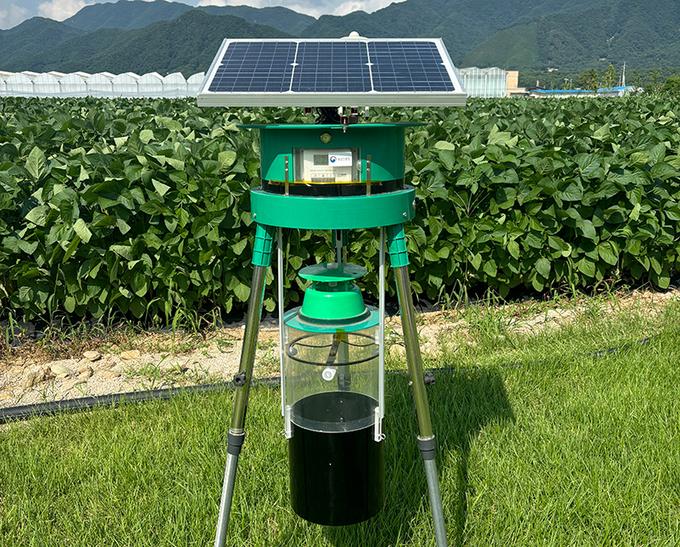
IoT (Internet of Things) Soil Sensors: Placed directly in the earth, these tiny, smart devices constantly measure vital metrics such as moisture levels, soil temperature, and nutrient deficiencies.
-
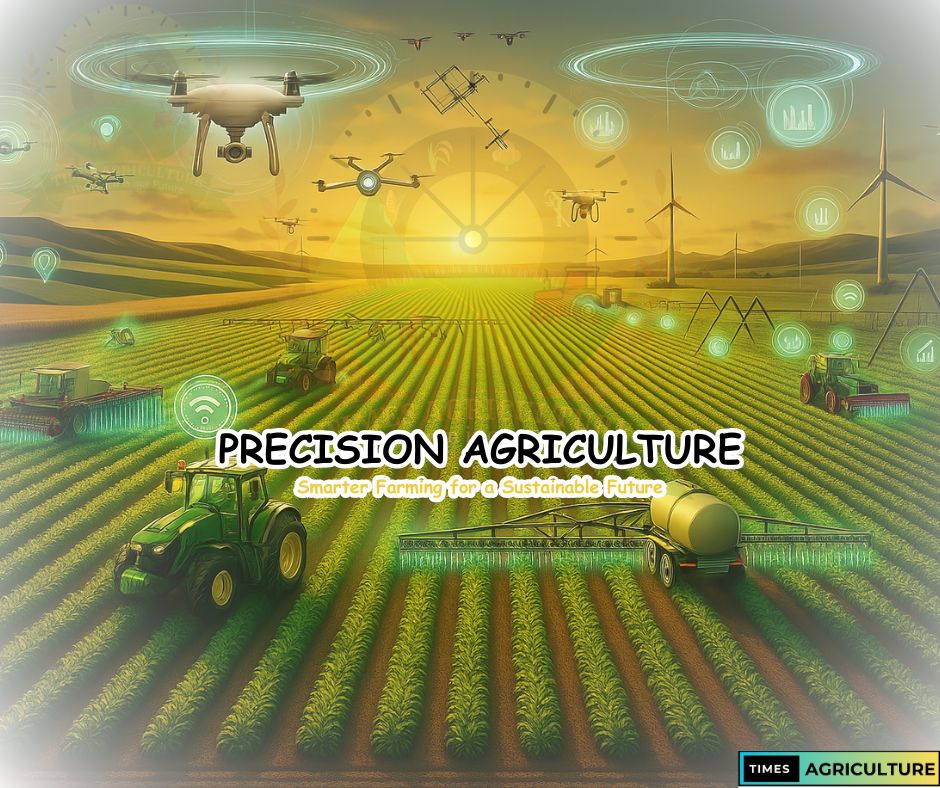
Agricultural Drones: Equipped with multispectral cameras, drones fly low over crop canopies to detect early signs of pest infestations, plant stress, or plant diseases days before they become visible to the naked human eye.
By gathering this continuous stream of data, farmers transition from broad, reactive management to proactive, hyper-targeted care.
Micro-Managing Resources for Macro Impact
The true magic of precision agriculture happens during application. When you know exactly which section of a field is thirsty or lacking nutrients, you no longer need to blanket-spray resources across the entire land.
In countries like India, where landholdings are often small and resources are precious, smallholder farmers are increasingly adopting GPS technology and soil sensors. Instead of traditional flood irrigation—which wastes an immense amount of water—smart automated drip systems turn on only when the soil sensors indicate moisture has dropped below a specific threshold.
Similarly, instead of spreading chemical fertilizers uniformly, GPS-guided machinery or precision spraying systems deliver exact dosages directly to the root zones that require a boost. This hyper-targeted application yields massive benefits:
-
Optimized Inputs: Farmers buy and use significantly less fertilizer and pesticide, cutting overhead costs.
-
Higher Yield Productivity: Plants grow healthier and more uniformly because they receive exactly what they need, exactly when they need it.
-
Reduced Agricultural Waste: Excess nutrients don't end up sitting unused in the soil or washing away into local ecosystems.
Shrinking the Environmental Footprint
Beyond the clear economic advantages for the farmer's bottom line, precision agriculture is a vital win for our planet. Conventional farming practices have historically contributed to major environmental strains, including groundwater depletion and chemical runoff. When excess fertilizers wash away from fields, they enter local streams and rivers, causing toxic algal blooms that devastate aquatic life.
By minimizing resource use down to the absolute necessary minimum, precision farming builds a natural shield around surrounding ecosystems. It protects the biodiversity of the soil, keeps local water tables clean, and drastically reduces the carbon footprint associated with running heavy machinery for blanket chemical applications.