.webp)
The Digital Darkroom: How AI and IoT Are Modernising Mushroom Cultivation in India
For generations, mushroom farming in India was considered a highly specialized, seasonal gamble.
If you visited a traditional grower, you would likely find a temporary thatched hut lined with bamboo racks and rows of plastic bags stuffed with wheat straw. If the winter temperatures behaved, the harvest was bountiful. But if an unseasonal heatwave hit, or the humidity fluctuated for even 48 hours, an entire batch could ruin overnight.
Mushrooms are notoriously finicky. They aren't plants; they don't need sunlight, but they do require a razor-thin, hyper-precise sweet spot of temperature, moisture, and carbon dioxide ($CO_2$) to survive.
Today, that fragile gamble is undergoing a massive transformation. Driven by cutting-edge AgTech innovators like India's own Rashail Agro, mushroom farming is evolving into a year-round, high-yield digital industry powered by Artificial Intelligence (AI) and the Internet of Things (IoT).
Why Technology is a Necessity, Not an Option
The domestic demand for mushrooms across India is soaring. Driven by a shifting preference toward protein-rich organic foods and plant-based diets, popular varieties like white button, oyster, and premium shiitake command strong market prices ranging from ₹80 to ₹150 per kilogram.
To meet this demand consistently without being held hostage by climate change, growers are ditching old-school manual methods for Smart/Connected Cultivation.
Traditional vs. Modernised Cultivation
| Operational Parameter | Traditional Mushroom Farming | Modernised IoT Cultivation |
| Seasonality | Limited to specific winter windows. | Year-round (365 days) production. |
| Climate Regulation | Manual water spraying; constant guesswork. | Automated sensors adjust ambient rooms instantly. |
| Risk of Contamination | High; mold and bacteria spread quickly via stagnant air. | Continuous air-cycling and automated ventilation. |
| Space Efficiency | Single-level horizontal layouts. | Multi-tier vertical racks maximizing volume. |
The Tech Under the Hood: Loggers, Apps, and Automation
Modernising mushroom cultivation relies entirely on replacing human oversight with continuous digital telemetry. Here is how advanced ecosystems—such as those engineered by Rashail Agro—are reshaping the growth cycle:
1. The Smart IoT Data Logger
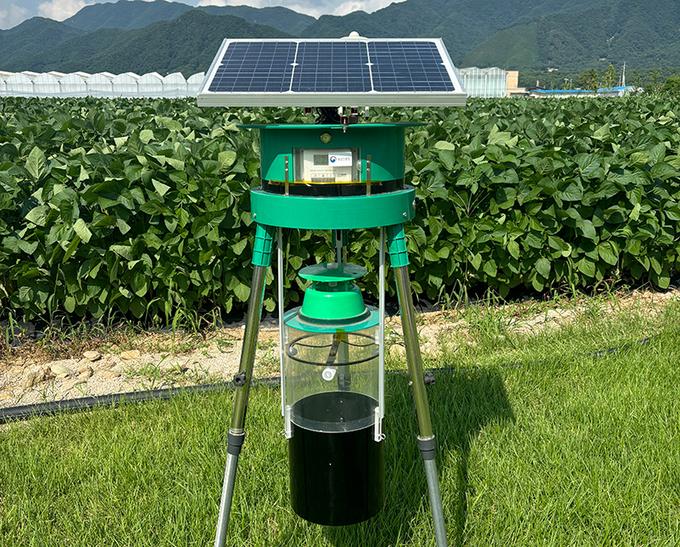
Mushrooms thrive in highly humid, damp environments that must be artificially maintained. An industrial Smart IoT Data Logger acts as the central central nervous system of the grow room. Packed with high-precision sensors, it tracks ambient temperature and humidity around the clock.
If the air dries out or a room becomes too warm, the logger acts instantly, triggering automatic humidifiers, chillers, or heat pumps to bring the environment back to optimal parameters.
2. Live Monitoring via the Fasalam App
Farmers no longer need to sleep next to their grow rooms to catch climate spikes. By integrating hardware with specialized mobile platforms like the Fasalam Application, growers receive real-time analytics on their smartphones.
The app reads data directly from the field loggers, pushing instant notifications, growth health updates, and actionable agronomic tips straight to the farmer. If $CO_2$ levels rise too high—which stunts mushroom caps and stretches the stems—the farmer is alerted before physical damage occurs.
3. Smart Ventilation and Lighting Cycles
While mushrooms don't use photosynthesis, subtle lighting cues trigger distinct pinning and fruiting stages. Automated timers control specific LED wave spectrums, while intelligent ventilation networks cycle fresh air into the room precisely when sensor thresholds are crossed, minimizing resource waste and optimizing energy usage.
Economic Empowerment for Next-Gen Agripreneurs
The modernization of India's mushroom sector is driving significant economic change, particularly for young agricultural entrepreneurs and smallholders:
High Spatial Returns: Because mushrooms are grown vertically on shelves or bed systems, they require minimal land. A simple 20x30 foot climate-controlled structure can yield profits equivalent to a multi-acre traditional field crop.
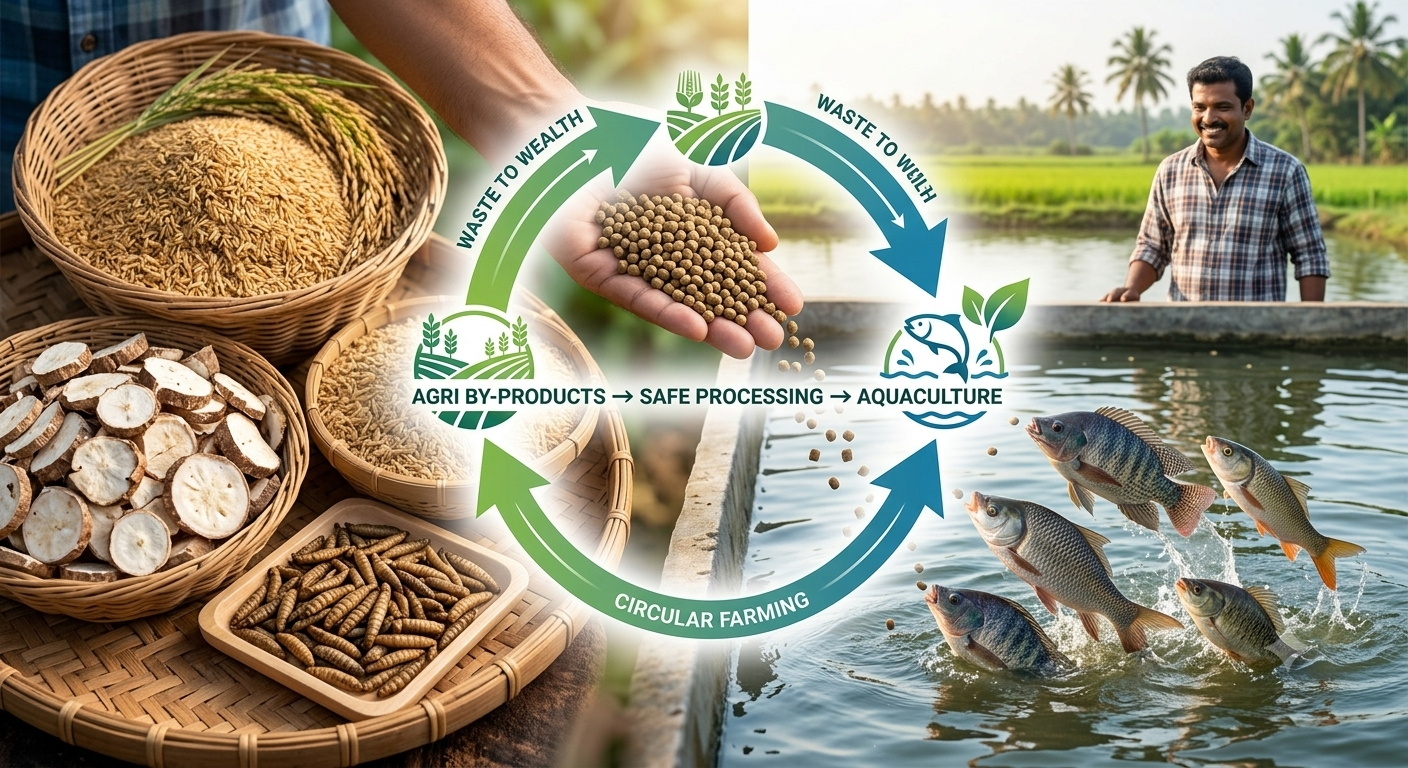
Circular Waste to Wealth: Mushrooms grow on agricultural residue. By consuming tonnes of discarded wheat and paddy straw, this modernized industry directly scales down crop-residue burning, converting environmental pollution into clean, high-value food.
Final Thoughts
Modernising mushroom cultivation in India is proving that the future of smart farming isn't about fighting the elements—it’s about controlling them. By deploying localized, smart digital tools like IoT data loggers and real-time mobile tracking apps, Indian growers are securing stable, climate-resilient incomes. In the modern agricultural landscape, efficiency isn't determined by the weather outside; it's managed by the data dashboard inside.