From Guesswork to Precision: How the New Agri Budget is Coding a Profitable Future for Farmers
The image of the traditional farmer is changing. The image of a farmer looking at the sky, guessing when the rains will come or wondering if an unseen pest will wipe out a season’s hard work, is being replaced by something entirely new: a farmer checking a smartphone for real-time soil data, using AI to diagnose a crop disease in seconds, and deploying drones for hyper-targeted field management.
The Agriculture Budget marks a massive shift in how we grow food. It is no longer just about survival or traditional crop welfare; it is about turning data, artificial intelligence, and localized tech infrastructure into better profit margins for farmers.
This isn't just a policy upgrade—it’s a data-driven revolution built to turn fields into smart, climate-resilient ecosystems.
1. Building the Digital Public Infrastructure (DPI)
The backbone of modern, "smart" farming isn't a new tractor—it’s data. The budget leans heavily into creating a centralized, trustworthy tech layer for rural communities through the Digital Agriculture Mission.
Instead of navigating fragmented paperwork, farmers are being brought into a streamlined, high-tech ecosystem:
-
The AgriStack Ecosystem: This initiative creates unique, localized digital profiles for farmers (already crossing over 8.4 crore generated Farmer IDs). It maps land ownership, crop histories, and water rights directly to a single digital identity.
-
Seamless Direct Access: This unified ID acts as a digital passport. It cuts through bureaucratic red tape, seamlessly connecting farmers to Direct Benefit Transfers (DBT), hyper-targeted micro-credit via the Kisan Credit Card (KCC) scheme, and quick-turnaround crop insurance.
2. AI-Driven Decision Support & Precision Systems
AI is stepping out of labs and into the dirt to eliminate the old "knowledge gap" and optimize water, pesticide, and fertilizer usage.
-
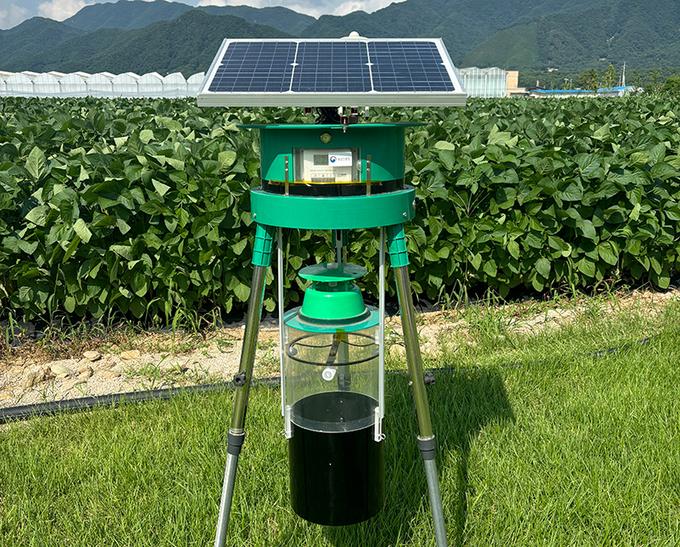
National Pest Surveillance System (NPSS): A highly precise AI and machine-learning tool designed to mitigate climate-driven yield losses. Extension workers and farmers can simply capture smartphone images of crop issues, allowing the system to instantly analyze and diagnose attacks across dozens of crops and hundreds of distinct pests.
-
Localized Forecasting: AI-driven programs are executing ultra-local, village-level weather forecasting. Instead of generic regional weather reports, millions of farmers receive precise updates, allowing them to time sowing and harvesting with pin-point accuracy.
3. The Shift to Precision Mechanization & Natural Infrastructure
Precision farming isn't just about software; it’s about applying resources efficiently to protect a farm's bottom line while healing the earth.
-
Custom Hiring Centers (CHCs): Recognizing that small and marginal farmers cannot afford individual heavy investments, the budget finances high-tech machinery hubs. This provides subsidized, shared access to high-value precision tools, agriculture drones, and smart-irrigation gear.
-
National Mission on Natural Farming (NMNF): Hand-in-hand with technology, this push focuses on reducing external, expensive chemical dependencies. By integrating precise soil fertility maps, farmers know exactly what their land needs, ensuring that nutrients are applied minimally and judiciously.