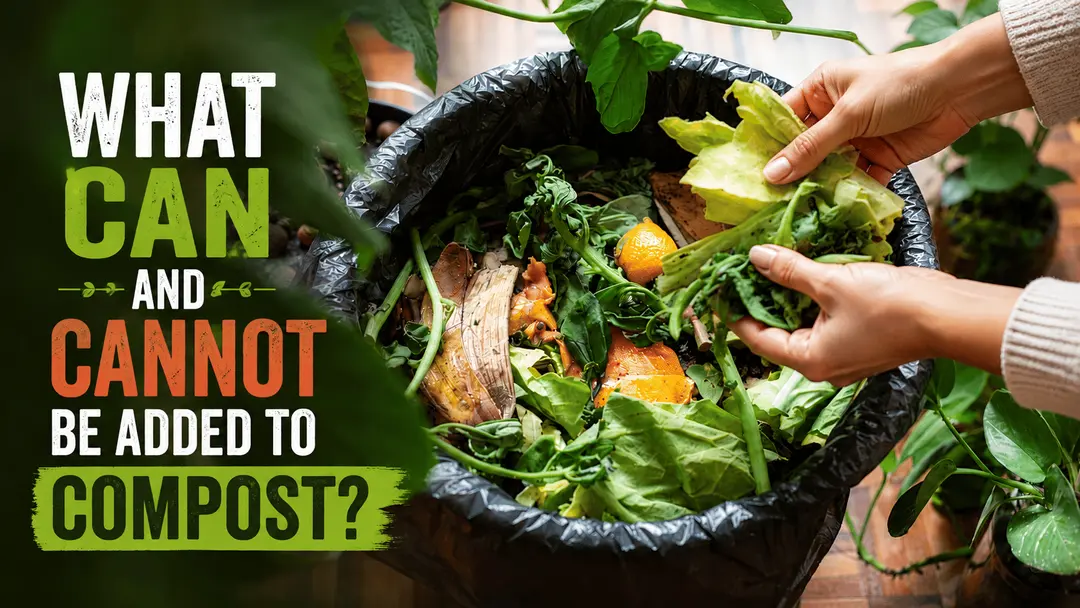
Starting a home compost pile is one of the most rewarding ways to minimize household waste and produce "black gold" for your garden. However, successful composting isn't just about throwing all your organic waste into a pile and hoping for the best.
Good compost depends entirely on what you put in. The right mix of materials breaks down into rich, crumbly, sweet-smelling soil, while the wrong items create foul odors, attract uninvited rodents and flies, or spread disease. Knowing exactly what belongs in your bin—and why certain items cause issues—is the ultimate secret to trouble-free composting.
What You CAN Add to Your Compost Bin
A thriving compost pile relies on a balanced diet of two main components: Greens and Browns. For a healthy balance, aim for a rough ratio of two-to-three parts browns to one part greens.
1. Greens (Nitrogen-Rich Materials)
Greens provide the essential nitrogen and moisture that feed the hungry microbes driving the decomposition process. Excellent options include:
-
Fruit and vegetable peels or leftover kitchen scraps
-
Fresh grass clippings and green garden trimmings
-
Coffee grounds (and unbleached paper filters)
-
Tea leaves and plastic-free tea bags
2. Browns (Carbon-Rich Materials)
Browns add vital carbon and physical structure to the pile. They create tiny air pockets that allow oxygen to circulate, keeping the pile from becoming a soggy, compressed mess. Good choices include:
-
Dry, crunchy fall leaves
-
Shredded paper, plain cardboard, and egg cartons
-
Straw and hay
-
Sawdust and wood shavings (only from untreated wood)
-
Dried plant stalks and twigs
3. Other Safe Additions (In Moderation)
There are a handful of household everyday items you can safely toss in as well. Crushed eggshells add excellent calcium to the soil, while nutshells, used plain paper napkins, and small sprinkles of wood ash can be layered in safely.
Pro-Tip: Always chop or shred your materials into small pieces before tossing them in. Smaller pieces increase the surface area, helping microbes break everything down much faster!
What You CANNOT Add to Your Compost Bin
To keep your backyard setup smelling clean and remaining pest-free, keep these problematic items far away from your compost bin:
Meat, Fish, and Dairy
Leftover meat, bones, fish skins, cheese, butter, and milk rot quickly and release intensely foul odors. These smells act as an open invitation to mice, rats, flies, and stray neighborhood animals.
Oily, Greasy, and Cooked Foods
Heavily cooked leftovers or foods drenched in oil and grease should be avoided. Oils coat the other organic materials in your pile, acting as a water-resistant barrier that blocks the air and moisture microbes need to survive. This slows down decomposition significantly and creates a greasy, smelly mess.
Diseased or Pest-Ridden Plants
If a plant in your garden dies from a fungal infection, blight, or a severe insect infestation, do not compost it. Backyard compost piles rarely reach the sustained high temperatures required to kill off plant pathogens. Composting sick plants means you run a high risk of spreading that exact disease back into your garden beds next season.
Pet Waste
While manure from herbivores (like cows or horses) is great for agriculture, waste from carnivorous or omnivorous pets like dogs and cats is highly unsafe. Pet waste can harbor dangerous parasites and harmful bacteria that survive the composting process, making the final mixture dangerous to use anywhere near edible vegetables or herbs.
Invasive Weeds and Weeds With Seeds
Dandelions, crabgrass, or any weeds that have already set seed should stay out of your bin. If the pile doesn’t get incredibly hot, those hardy seeds will happily survive the winter and sprout all over your garden the moment you spread your finished compost.
Items to Use Only in Moderation
Some items aren't strictly banned but require a cautious hand:
-
Citrus Peels, Onions, and Garlic: While perfectly fine in a traditional backyard pile, these are highly acidic and pungent. If you run a worm-based composting system (vermicomposting), overusing these can irritate or deter your worms.
-
Glossy or Coated Paper: Avoid magazines, colorful junk mail, treated wood, or synthetic materials entirely, as they introduce microplastics and toxic chemical inks into your soil.
Boosting Your Finished Compost
Once your compost is dark, crumbly, and smells like a fresh forest floor, it is ready to work its magic. To supercharge your garden, you can combine your finished compost with organic bio-fertilizers to introduce a massive wave of beneficial soil microbes. You can also use it alongside traditional fertilizers for hungry, fast-growing crops; the compost structurally improves the soil’s water retention while the fertilizers top up the exact macronutrients your crops crave.
Quick Tips for a Clean, Healthy Bin
Maintaining a trouble-free compost bin comes down to a few simple habits:
-
Cover Your Kitchen Scraps: Every time you add fresh kitchen scraps (greens), cover them immediately with a generous layer of dry leaves or shredded paper (browns). This locks in odors and keeps fruit flies from gathering.
-
Monitor the Moisture: Your compost pile should always feel as damp as a tightly wrung-out sponge. If it's too dry, sprinkle it with a little water. If it's too wet, turn it and mix in more dry browns.
-
Turn It Regularly: Use a pitchfork or a compost turner to mix the pile every week or two. This introduces fresh oxygen, keeps the pile aerobic, and accelerates the breakdown process without any foul smells.