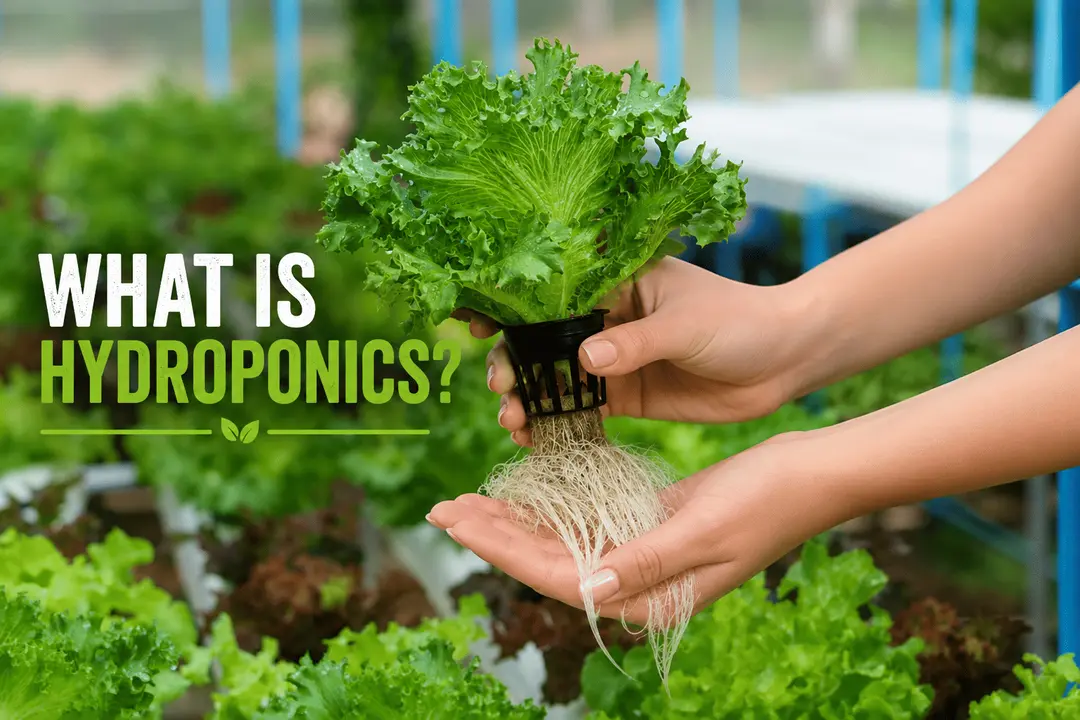
Imagine growing vibrant, crisp lettuce, juicy tomatoes, and fragrant herbs without a single speck of dirt. It sounds like science fiction, but it is actually one of the fastest-growing movements in modern agriculture. Welcome to the world of hydroponics—a method of cultivating plants that trades traditional soil for nutrient-rich water.
Whether you are an urban gardener with a sunny windowsill or an aspiring farmer looking to maximize space, this comprehensive guide will break down what hydroponics means, how it works, and how you can get started the right way.
What Does Hydroponics Actually Mean?
The word hydroponics finds its roots in two Greek words: hydro, meaning water, and ponos, meaning labor or work. Literally translated, it means "working with water."
In a traditional garden, plant roots have to grow long and deep, expending immense energy searching through the dirt for pockets of moisture and nutrients. In a hydroponic system, we eliminate the middleman (the soil) entirely. Plant roots sit directly in—or are regularly bathed by—a finely balanced solution of water and dissolved nutrients. Instead of soil, an inert, neutral medium such as coco peat, clay pebbles, or rockwool is used simply to support the plant's physical structure and hold it upright.
How Does Hydroponics Work?
The magic of hydroponics lies in total control. As a grower, you dissolve a complete plant nutrition mix directly into water to create a nutrient solution. This solution delivers everything a plant needs to thrive, including vital micronutrients like iron and zinc that prevent growth deficiencies.
Because the roots absorb these nutrients immediately without having to look for them, the plant can redirect all its biological energy upward—resulting in lush foliage, faster growth, and abundant harvests.
Why pH and Water Quality are Non-Negotiable
Because your plants feed directly from a liquid solution, water chemistry is absolutely critical to your success:
-
The Sweet Spot: Most hydroponic crops thrive best in a slightly acidic environment, ideally a pH of 5.5 to 6.5. If the pH climbs too high or drops too low, the roots experience "nutrient lockout" and can no longer absorb food. This is easily managed using a simple pH balancer kit.
-
Clean Water First: It is always best to start with clean water. Utilizing a water conditioner to neutralize chlorine and heavy metals ensures your roots stay bright, healthy, and highly efficient.
Soil Gardening vs. Hydroponics: The Main Differences
| Feature | Soil Gardening | Hydroponics |
| Nutrient Delivery | Roots must search through soil; delivery is uneven. | Precise nutrient solution delivered directly to roots. |
| Growth Speed | Standard, dependent on climate and soil quality. | Often significantly faster due to immediate food access. |
| Water Efficiency | High water loss due to evaporation and drainage into earth. | Up to 90% more efficient because water is recirculated. |
| Pest & Weed Control | Frequent weeding; highly susceptible to soil-borne pests. | Zero weeds; drastically fewer soil-bound bugs. |
| Effort Required | Physical digging, weeding, and tilling. | Regular monitoring of water levels, pH, and nutrients. |
The Benefits and Challenges of Going Soil-Free
The Bright Side (Benefits)
-
Supercharged Growth: Plants often grow up to 30–50% faster than their soil-grown counterparts.
-
Space Savers: Perfect for urban spaces, apartments, balconies, and rooftops where arable land doesn't exist.
-
Year-Round Growing: When brought indoors under growing lights, you can completely ignore the winter frost and harvest fresh greens all year.
The Reality Check (Challenges)
Hydroponics requires a bit more day-to-day attention than a standard backyard plot. You have to be diligent about monitoring your water levels and checking your pH. Additionally, because the systems rely on pumps and timers to circulate oxygen and food, an extended power outage can cause roots to dry out quickly. This is why beginners are highly encouraged to start with simple, passive, low-tech setups before investing in automated systems.
What Can You Grow Hydroponically?
While you can technically grow almost anything hydroponically, it is best to climb the ladder of complexity slowly:
-
For Beginners: Stick to leafy greens and herbs. Crops like lettuce, spinach, basil, and mint are incredibly forgiving, grow lightning-fast, and have low nutrient demands.
-
For Advanced Growers: Once you master the basics, you can graduate to fruiting crops like tomatoes, bell peppers, cucumbers, and strawberries. These plants require much stronger lighting, heavier nutrient doses, and physical trellises or supports to hold the weight of the fruit.
Getting Started the Right Way
The biggest mistake beginners make is buying an overly complicated, expensive commercial system right out of the gate. The smartest way to begin is to start small and simple.
A single container of lettuce sitting on a bright, sunny windowsill is the ultimate classroom. It teaches you the core skills of mixing nutrients and monitoring pH without the stress of managing heavy machinery. Once you are comfortable watching your greens thrive, you can confidently scale up to larger setups. When selecting your food mixes, ensure you are using a specialized fertilizer blend explicitly designed for soil-free growing, as standard garden fertilizers lack the clean, water-soluble minerals hydroponic systems require.
Frequently Asked Questions (FAQs)
Is hydroponics better than soil gardening?
It isn't necessarily "better," but it is vastly more efficient for specific environments. It delivers faster growth and much higher yields in confined, urban spaces, though it requires more upfront monitoring than traditional soil.
What pH is best for hydroponics?
A slightly acidic range of 5.5 to 6.5 is optimal for the vast majority of hydroponic plants to ensure perfect nutrient absorption.
Is hydroponics expensive to start?
Not at all! While commercial systems can be pricey, a DIY home setup made from a simple plastic storage tub or a glass jar is incredibly inexpensive and highly effective for beginners.
What is the easiest crop to grow hydroponically?
Lettuce seeds and leafy herbs (like basil) are by far the easiest, fastest, and most forgiving plants for anyone just starting out.