In a rapidly warming world, food security can no longer be evaluated through the single lens of total output. The Observer Research Foundation (ORF) has extensively examined the intersection of climate vulnerabilities and agricultural models in India. Their research highlights a stark paradox: while India’s total foodgrain production has crossed a record 330 million tonnes, climate variations, volatile market prices, and declining soil health continue to threaten the livelihoods of smallholder farmers.
To secure both the nation’s nutrition and the economic survival of its growers, ORF advocates for a systematic transition toward precision agriculture and digitally enabled advisory models. These technological toolkits are proving to be the most reliable pathways to scale resource efficiency and directly increase farmer incomes.
The Climate Crisis Looming Over Indian Agriculture
According to data compiled in ORF analyses, climate change has suppressed major crop productivity (such as wheat and rice) by roughly 5% globally since 1980. Projections indicate that without intervention, India’s aggregate agricultural yields could drop by up to 24% by 2080.
Traditional farming methods are highly susceptible to these shifts. For instance:
-
Temperature Spikes: Rising temperatures shorten critical wheat growing periods in northern India.
-
Erratic Monsoons: Violent downpours strip valuable topsoil from degraded farmlands, while prolonged dry spells accelerate nutrient loss.
-
Resource Depletion: Decades of unmonitored flood irrigation and heavy chemical input applications have significantly lowered the organic matter content in Indian soils.
Precision Agriculture: The New Frontier for Higher Income
Precision farming addresses these systemic challenges by replacing uniform field practices with hyper-localized targeted actions. Instead of applying water or fertilizers blindly across an entire field, technology helps farmers treat every square meter according to its exact needs.
-
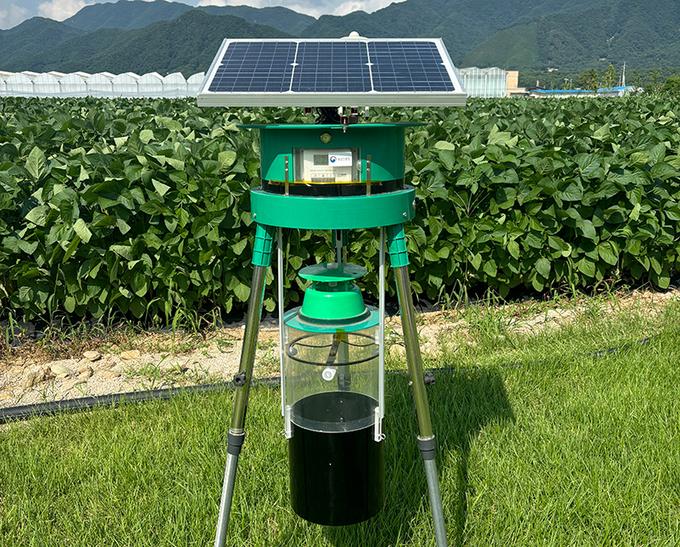
IoT Sensors and Satellite Analytics: By deploying smart field sensors, satellite imaging, and local weather analytics, farmers gain absolute visibility into soil moisture levels and emerging pest zones.
-
Resource and Cost Optimization: Precision application ensures that inputs like fertilizers and water are used strictly when and where required. This dramatically slashes production overheads, helping farmers achieve cost savings of up to 15% while safeguarding regional groundwater resources.
-
Yield Improvements: Real-world public-private partnerships cited in agritech frameworks—such as NITI Aayog initiatives and state-level climate-resilient agriculture projects—demonstrate that precision inputs can improve seasonal crop yields by 9% to 21%.
Digitally Enabled Advisory Models: Empowering the Last Mile
The core of ORF’s vision for an equitable food system relies heavily on digital public infrastructure. The finest satellite data or AI diagnostics are ineffective if they remain isolated within corporate or academic labs.
Digitally enabled advisory networks bridge this operational gap:
-
Translating Data into Simple Action: Advanced data models are packaged into intuitive, multilingual voice commands or automated SMS alerts delivered straight to a farmer’s basic smartphone.
-
Informed Decision Making: Armed with real-time, block-level weather alerts and AI-driven pest diagnostic support, smallholders can shift their sowing timelines, save water, and prevent catastrophic crop failures.
-
Direct Market Linkages: Digital ecosystems empower farmers by reducing their historical reliance on complex chains of local middlemen. By combining transparent digital pricing logs with traceable quality verification, smallholders can command fairer market prices and expand their direct business networks.
The Blueprint for Resilient Agriculture
As the Observer Research Foundation emphasizes, future agricultural policies must merge productivity with environmental adaptation. Embracing an inclusive agritech ecosystem allows the agricultural community to optimize input costs, double field efficiency, and insulate rural livelihoods against climate shock. Through these digital pathways, India can securely feed its population while transforming farming into a highly profitable and sustainable profession.
Further Insight into Global Food Security Frameworks
For an analytical overview of how automation and digital advancements are driving agricultural transformations on a broader scale, you can read the comprehensive flagship tracking reports provided by international bodies:
The FAO State of Food and Agriculture Report
This report provides globally validated research on how digital innovations, land management strategies, and agricultural technologies are being scaled across diverse landholding categories to reverse degradation and uplift rural economies.