.jpg)
The Clean Energy Blueprint: Technical Milestones of India's Solar-Powered Farm Revolution
The transition toward solar-powered agricultural infrastructure has fundamentally moved away from broad regional deployment. By anchoring technology directly to localized policy, structural design, and financial subsidies, the agricultural landscape is actively decoupling from volatile fossil fuels.
1. The Component-Driven Framework of PM-KUSUM
-
Component A (Decentralized Power Production): Targets the installation of stilt-mounted or ground-based solar installations spanning a capacity of 0.5 MW to 2 MW on completely fallow or uncultivable lands. Local farmers and cooperatives directly supply this clean energy back to regional DISCOMs under pre-fixed commercial tariffs.
-
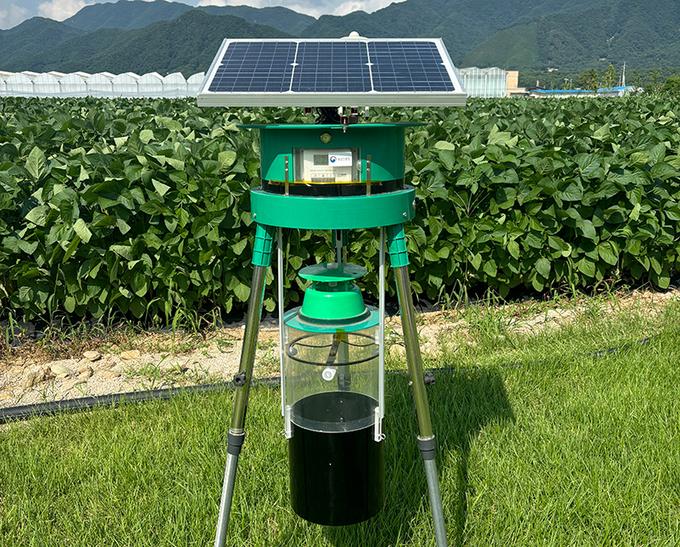
Component B (Off-Grid Irrigation Independence): Prioritizes the deployment of high-efficiency, standalone off-grid solar water pumping arrays with capacities reaching up to 7.5 HP. This framework targets remote fields explicitly isolated from the conventional electrical grid network.
-
Component C (Feeder and Individual Grid Solarization): Focuses on solarizing existing grid-connected electric agricultural pumps. The design mounts solar arrays up to two times the active capacity of the connected pump, allowing farmers to irrigate fields for free during peak solar hours while feeding surplus generated energy back into the grid for direct monetary credit.
2. The Shared Capital Subsidy Architecture
-
Central Financial Assistance (CFA): The Ministry of New and Renewable Energy (MNRE) covers a 30% direct capital subsidy baseline across general states. This funding layout scales up to an exceptional 50% direct central subsidy inside high-priority North-Eastern and rugged Himalayan terrains.
-
State Nodal Contribution: Regional state energy offices automatically match the central input with an additional 30% state-backed capital subsidy, absorbing the vast majority of the upfront fabrication cost.
-
Institutional Priority Lending: Soft-term loans are organized for up to 30% of the remaining system cost under Priority Sector Lending guidelines and the automated Agriculture Infrastructure Fund (AIF).
-
The Individual Capital Requirement: This extensive public cushioning leaves the individual farmer responsible for a minimal 10% out-of-pocket cash share. Consequently, a premium 5HP solar setup retailing between ₹2.5 Lakh to ₹3 Lakh can be secured by a smallholder for an upfront cash investment of roughly ₹25,000 to ₹30,000.
3. The Scientific Dynamics of Agrivoltaics
-
Elevated Structural Clearances: High-tech Agrivoltaic (Agri-PV) layouts raise panel frameworks to a strict minimum clearance height of 2.1 meters above the soil. This structural headroom ensures traditional bull-ploughing, specialized mechanical harvesting, and livestock grazing continue without obstruction.
-
Microclimatic Resource Balancing: The overhead solar panels shield the growing field from harsh, direct sunlight. This controlled shade layer lowers crop evapotranspiration rates and preserves baseline soil moisture, forming a defensive layer against intense heat waves in water-stressed zones.
-
Thermal Efficiency Interdependency: The green canopy underneath actively respires and transpirates moisture, creating a natural microclimatic cooling effect. This drop in local temperature prevents the overhead photovoltaic panels from overheating, maximizing solar power generation.
4. System Expansion and Modern Micro-Machinery
-
Solar Utility Mobility: Lightweight agricultural utility vehicles are hitting the ground. Backed by on-panel solar cells and integrated lithium iron phosphate ($LiFePO_4$) battery arrays, these vehicles haul up to 400 kg of cargo, execute zero-emission field spraying, and eliminate local farm-to-market fuel costs.
-
Decentralized Post-Harvest Preservation: Automated solar-powered micro-warehouses and cold-storage cells are being established at the village block level. By providing stable cooling entirely separate from the conventional grid, these units preserve fruits and vegetables, preventing farmers from distress-selling their harvests.
The Digital Verification Layer: To protect the integrity of the technology roll-out, all solar pump allocations are tightly paired with the Kisan Rin Portal. Every unit features active remote IoT performance logging, electronic flow-meters, and geo-tagged tracking to guarantee long-term operational transparency across the country.