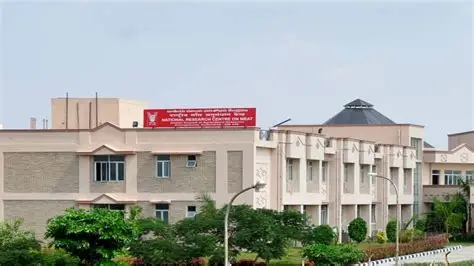
Modernizing the Value Chain: How ICAR-NMRI (Formerly NRCM Hyderabad) is Driving Meat-Tech Innovation
When we talk about agripreneurship, the focus usually lands on crops, fertilizers, or drones. However, the livestock and meat sector represents one of the fastest-growing segments of the food economy. Upgrading this sector requires deep scientific intervention—ensuring food safety, eliminating wastage, and creating high-value products.
This is exactly where the ICAR-National Meat Research Institute (ICAR-NMRI)—highly recognized by its former name, the National Research Centre on Meat (NRCM) in Hyderabad—takes center stage. As India's premier apex research institute for the meat sector, ICAR-NMRI operates a specialized Agri-Business Incubator (ABI) Centre. It is designed specifically to help meat-tech, livestock, and food-tech startups turn complex scientific processes into commercially viable products.
Key Programs and Support Mechanisms Offered
The Agri-Business Incubator Centre at ICAR-NMRI provides targeted development frameworks that address the technical and operational gaps faced by early-stage food entrepreneurs:
-
Entrepreneurship Development Programmes (EDP): Running systematically throughout the year, these intensive short-term training modules focus on small and medium-scale meat processing, hygienic meat production, value addition, and packaging. It serves as an optimal starting point for grassroots entrepreneurs to learn industry-compliant manufacturing protocols.
-
Technology Transfer and Licensing: ICAR-NMRI’s scientific panel continuously patents proprietary production technologies. Through the ABI, startups can formally license ready-to-commercialize innovations. This includes shelf-stable ethnic meat products, low-fat meat variants, clean-label preservation technologies, and rapid testing kits.
-
Agri-Business Incubation Pipeline: For registered startups, the institute offers long-term hands-on business grooming. Entrepreneurs get operational assistance to build sound business models, secure legal compliance (like FSSAI guidelines), draft investor pitch decks, and validate consumer market entry.
The NMRI Advantage: Why Meat-Tech Needs This Hub
Attempting to launch a meat or cold-chain startup inside a generic tech accelerator is incredibly difficult because food safety laws and biochemical testing require specialized equipment. ICAR-NMRI provides critical assets that give founders an immediate market advantage:
1. State-of-the-Art Processing and Abattoir Infrastructure
Incubated startups gain access to an industrial-grade experimental abattoir and a fully operational meat product processing plant. This allows founders to test pilot-scale production batches under pristine, hygienic conditions without investing millions of upfront capital into setting up their own factory.
2. Advanced Diagnostic and Quality Labs
The institute hosts world-class testing labs that are indispensable for product validation:
-
Meat Species Identification Laboratory: Vital for regulatory compliance, authentication, and exporting verification.
-
Proteomics and Quality Evaluation Labs: Allows startups to scientifically map out the nutritional profile, texture, and precise shelf-life stability of their food innovations.
-
FSSAI Referral Laboratory: Direct access to an apex testing facility ensures your final commercial products seamlessly match national food safety standards.
3. Strategic Waste-to-Wealth Solutions
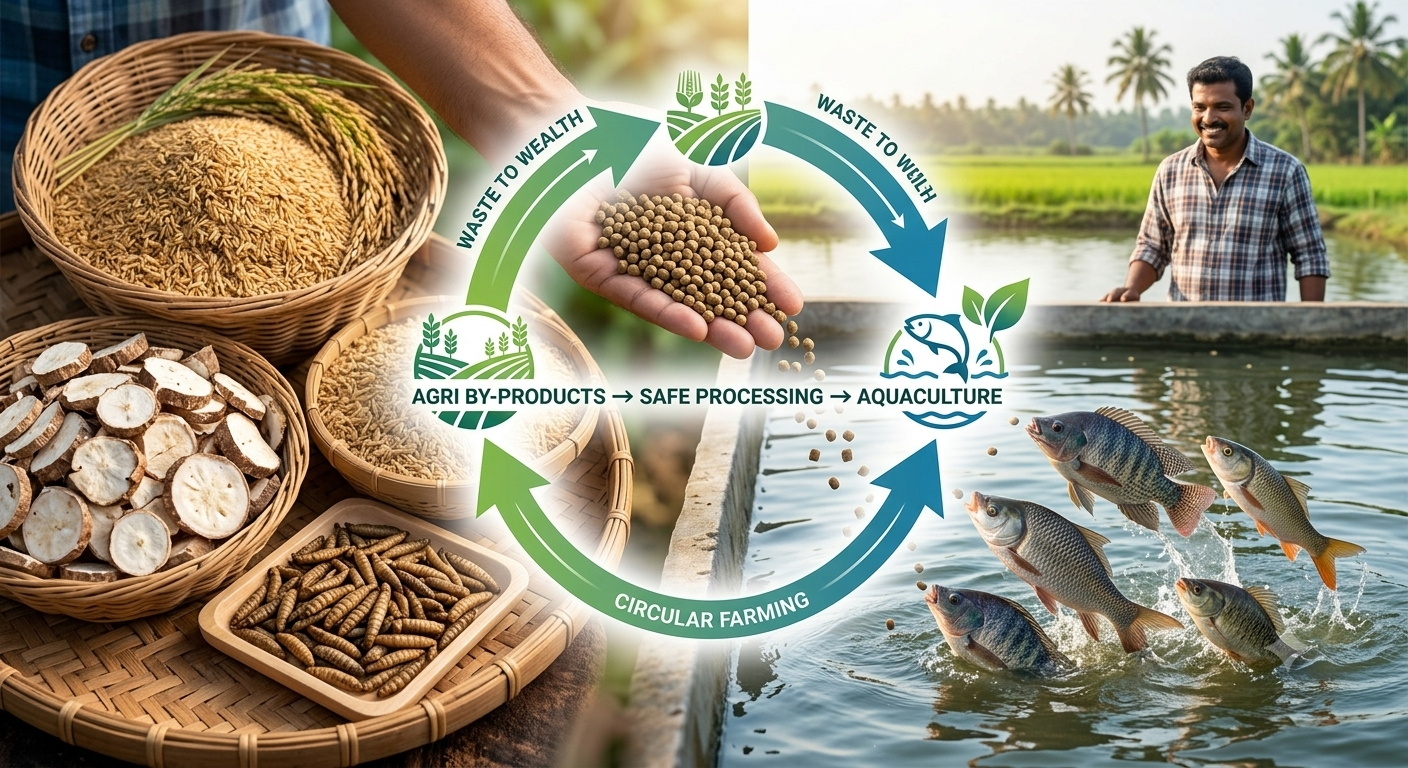
Modern consumer markets favor sustainable brands. ICAR-NMRI specializes in rendering and animal by-product utilization. They guide startups in transforming slaughterhouse and processing waste into high-value items like pet foods, industrial gelatin, organic fertilizers, and biomaterials.
Summary
Whether you are developing plant-based or cultured meat alternatives, optimizing automated cold-supply chains, creating hygienic retail delivery models, or formulating value-added poultry products, ICAR-NMRI Hyderabad provides the exact scientific framework you need. By marrying cutting-edge food science with business mentorship, it is helping build a safe, sustainable, and highly profitable livestock economy for India.