
Seeds of Survival: India’s Massive Bet on 184 New Climate-Resilient Crops
As erratic monsoons, intense heatwaves, and groundwater depletion reshape the global agricultural landscape, the traditional seed varieties that farmers have relied on for decades are hitting their biological limits. To protect national food security and insulate farmers from environmental shocks, India has just taken its largest defensive leap yet.
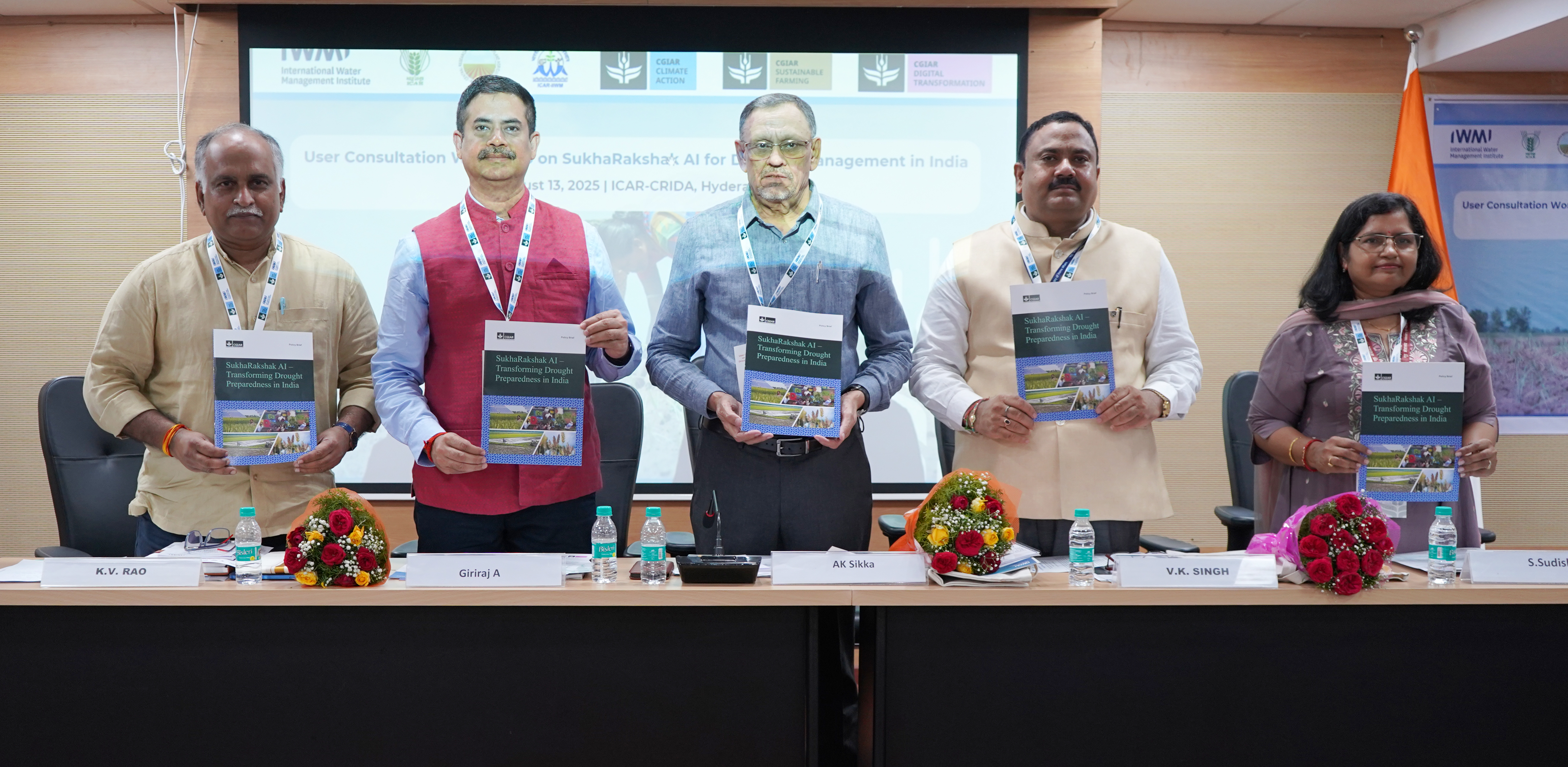
The Union Ministry of Agriculture and Farmers Welfare, led by Minister Shivraj Singh Chouhan, officially unveiled 184 new, high-yield, and climate-resilient crop varieties. Spanning 25 different field crops, this massive scientific rollout marks a massive shift toward "climate-smart" agriculture, engineered to survive unpredictable weather patterns while pushing yields up by 15% to 20%.
Here is how this historic "Lab to Land" initiative is preparing Indian fields for a changing climate.
The Crop Breakdown: What's in the Box?
Developed through a collaborative effort involving the Indian Council of Agricultural Research (ICAR), state agricultural universities, and private seed innovators, these 184 varieties cover staples, oilseeds, commercial crops, and livestock fodder.
The core of the release targets India's major food security pillars:
-
122 Cereal Varieties: This includes 60 new varieties of rice and 50 new varieties of maize. Over 50% of the food grain varieties belong to the coarse grain category (like sorghum, pearl millet, and ragi), aligning with the government's push for high-nutrition, drought-tolerant millets.
-
24 Cotton Varieties: Crucially, this includes 22 updated Bt cotton variants engineered with upgraded transgenic protection to shield crops from pests and weeds, directly cutting down chemical input costs.
-
13 Oilseed Varieties: High-performing variants for mustard, safflower, sesame, groundnut, and castor aimed at reducing India’s dependence on edible oil imports.
-
Pulses & Commercial Crops: Targeted varieties of pigeon pea (arhar), green gram (moong), black gram (urad), alongside 6 sugarcane variants, jute, and tobacco.
The Triple Benefit: Higher Yields, Fewer Inputs
What sets these scientifically bred seeds apart is their multi-dimensional efficiency. Traditional seed breeding often forced a trade-off: higher yields required massive amounts of chemical fertilizers and abundant water. These 184 varieties break that pattern by focusing on three key traits:
1. Abiotic & Biotic Stress Tolerance
The newly launched seeds are explicitly bred to withstand abiotic stresses like acute drought, severe heat waves, and high soil salinity/alkalinity. Concurrently, they offer built-in resistance to major destructive pests and diseases (biotic stresses), creating a double-layer of security for erratic growing seasons.
2. Resource Efficiency (Water & Chemicals)
Because these variants possess more robust, deeply penetrating root systems and optimized metabolic pathways, they require significantly less water. Furthermore, their innate resistance to localized pests means farmers can scale back on expensive, toxic chemical pesticide sprays.
3. Biofortification
Beyond survival, many of these crops are biofortified. They are packed with higher micro-nutritional values—such as elevated iron, zinc, and protein content—ensuring that higher yields do not come at the expense of food quality.
The Three-Year "Lab to Land" Mandate
The Ministry has established a strict timeline: these 184 varieties must fully transition from research facilities to commercial field cultivation within three years. By utilizing regional consultations and localized "Krishi Roadmaps," the government is bypassing traditional distribution bottlenecks to get these seeds into farmers' hands quickly.
Securing India's Position as a Global Food Exporter
This aggressive focus on agricultural innovation comes at a time when India has surpassed China to become the world's largest exporter of rice, with production scaling past 150 million tonnes.