.jpg)
Sound Waves Over Chemicals: The New Era of Off-Grid, Acoustic Crop Protection
Walk into any farming village during the peak growing season, and you will likely hear a cacophony of manual deterrents—tin cans clanging in the wind, firecrackers tearing through the night, or farmers shouting into the darkness to scare off wild boars, nilgai, and monkeys. For generations, protecting crops from wildlife and devastating insects has meant a grueling, 24-hour physical watch, or resorting to heavy chemical pesticides that strip the soil and kill beneficial local biodiversity.
But what if the most powerful shield a farmer could have was completely invisible, completely silent to the human ear, and powered entirely by the sun?
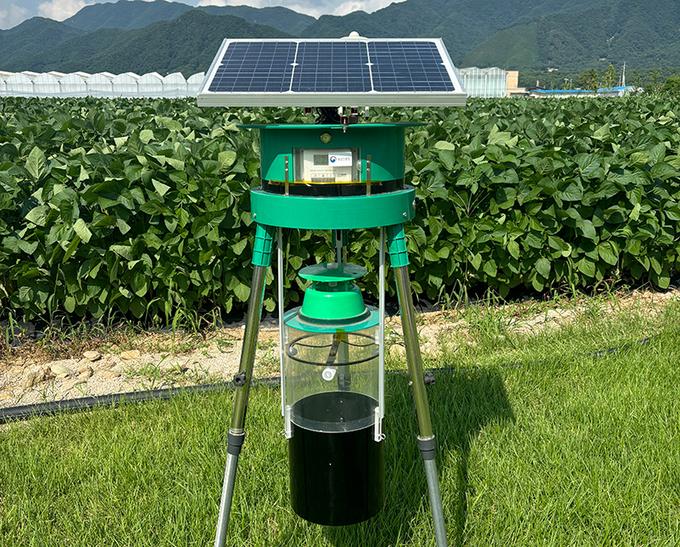
A quiet revolution is happening across agricultural fields using directional acoustic and sonic technology. Clean-tech startups and agricultural researchers are deploying solar-powered devices that use ultra-low frequency sound waves and predator vibrations to drive crop-destroying pests away naturally, safely, and humanely.
How It Works: Speaking the Language of Nature
Traditional pest control focuses on eradication. Acoustic deterrents, however, focus on behavioral manipulation. These compact, weatherproof devices are placed directly on poles within the crop canopy and operate using two distinct sound spectrums:
1. The Power of Bioacoustics (Audible Predator Warnings)
Animals like wild boars, monkeys, and birds are incredibly smart. They quickly get used to standard scarecrows or repetitive clanging noises. Modern bioacoustic systems—like the ones developed by Bengaluru-based Grus Ecosciences in partnership with the Indian Council of Agricultural Research (ICAR)—work by broadcasting highly complex, natural distress calls and predator sounds specific to the target threat.
When a wild boar herd approaches a maize field, the system automatically detects movement or runs on intelligent intervals, broadcasting the exact territorial or warning calls of apex predators in their own "language." The message sent to the animals is simple: This area is highly dangerous.
2. Ultrasonic & Structural Vibrations (For Small Insects and Rodents)
For underground rodents and specific boring insects, devices utilize high-frequency ultrasonic waves or localized structural vibrations through the soil or plant stems. While completely imperceptible to humans and domestic pets, these frequencies mimic the underground movement of burrowing predators or disrupt the vibrational communication insects use to find mates and lay eggs. The uncomfortable environment gently forces them to migrate away from the field entirely.
Real-World Programs and Proven Benefits in India
This tech isn't locked in a laboratory—it is delivering massive relief across Indian states through localized field trials and institutional support programs.
The ICAR-AINPVPM Bioacoustic Program
Under a research partnership funded by the National Agricultural Science Fund (NASF) and the All India Network Project on Vertebrate Pest Management (AINPVPM), advanced bioacoustic equipment was systematically deployed across hotspot villages in Odisha, Karnataka, and Telangana facing severe wild boar menaces.
-
The Program Structure: Solar-powered units equipped with multi-directional speakers were installed 15 to 30 cm above the crop canopy in diverse fields growing high-risk crops like sugarcane, groundnut, sorghum, and banana.
-
The Impact: The results were staggering. In villages like Khazipur in Medak (Telangana), farmers who previously lost 21% to 30% of their entire yield to nightly wild boar raids reported a 92% reduction in crop damage almost immediately after installation.
Slashed Input Costs and Restored Night Sleep
Beyond the hard numbers, the human benefits reported during these deployment programs are profound:
-
Zero Chemical Residue: Because the devices rely entirely on sound, farmers participating in the programs completely eliminated the use of lethal chemical baits or hazardous electric fencing (which frequently causes accidental electrocutions to livestock and humans).
-
Massive Cost Savings: Once a solar-powered acoustic device is installed, its operating cost is practically zero. Farmers save thousands of rupees annually on recurring pesticide purchases and plastic netting.
-
Human Dignity: The most emotional feedback received from farmers during the trials was simple: rest. Instead of spending freezing winter nights awake in makeshift watchtowers (machans) risking snakebites and animal attacks, the automated solar devices took over the night watch, allowing families to sleep peacefully.
Preserving the Balance of the Ecosystem
The most beautiful aspect of solar acoustic technology is its commitment to biodiversity. It doesn’t kill the pests, nor does it poison the local water table. By gently pushing wildlife and insects back into their natural woodland habitats, it allows smallholder farmlands to thrive side-by-side with nature.
As India pushes heavily toward sustainable and precision agriculture, decentralized innovations like sonic pest deterrents prove that the future of farming doesn't lie in stronger chemicals—it lies in understanding and respecting the natural rhythms of the earth.