.webp)
Here is a complete, SEO-optimized blog package focusing on the rise of Digital Twins in the agriculture sector.
SEO Meta Data
-
URL Link Slug:
what-is-a-digital-twin-for-farms-agriculture-5 -
Meta Blog Title: The Living Replica: How Digital Twins Are Bringing "Time Travel" to Modern Farms
-
Meta Description: Discover how agricultural digital twins combine IoT sensors, AI, and satellite data to create real-time virtual models of fields, optimizing yields and slashing water waste.
-
Meta Keywords: digital twin agriculture, smart farming 2026, precision crop management, IoT sensors farm simulation, agricultural predictive analytics, virtual farm model
The Living Replica: How Digital Twins Are Bringing "Time Travel" to Modern Farms
Imagine if you could test a new nitrogen fertilizer strategy, simulate a historic heatwave, or change your entire crop rotation schedule—all without touching a single square inch of actual soil. Better yet, imagine knowing exactly when a specific patch of corn is going to experience drought stress hours before the leaves even begin to wilt.
This isn't a science fiction concept. It is the reality of Digital Twins in agriculture.
Historically used in aerospace engineering and Formula 1 racing to simulate complex machine performance, digital twin technology has officially arrived on the farm floor. Over 40% of large-scale commercial farms worldwide are actively implementing virtual replicas to navigate climate volatility and protect shrinking profit margins.
Here is a look at what agricultural digital twins are, how they function, and why they are being called the ultimate time machine for modern food production.
What Exactly is an Agricultural Digital Twin?
A digital twin is a dynamic, virtual replica of a real-world physical asset—in this case, an entire farm ecosystem.
It is important to distinguish a digital twin from traditional farm management software. Standard software relies on batch reporting, meaning a drone flies over a field, captures images, and updates a dashboard once a day or once a week. By the time you read the report, the data is already stale.
A digital twin thrives on live synchronization. It is a continuous, two-way conversation between the physical farm and the digital model.
-
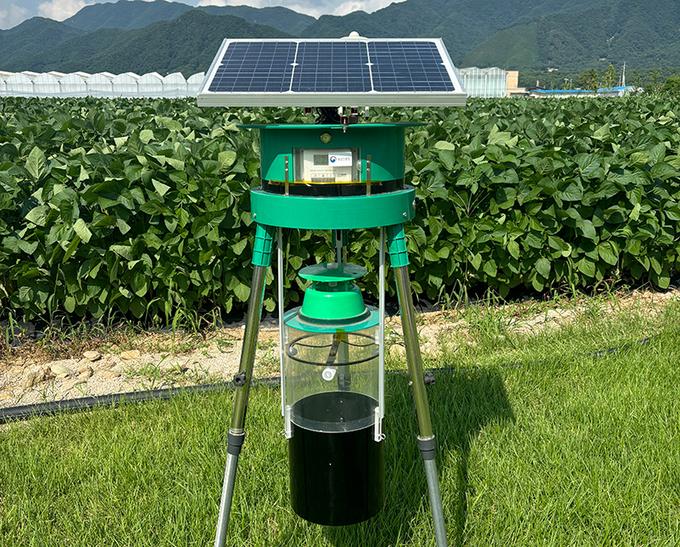
The Inputs: Thousands of data points stream from IoT soil probes, tractor telemetry, drone scans, weather stations, and multi-spectral satellite imagery directly into a cloud-based AI model.
-
The Mirror: Within seconds, the virtual farm updates to reflect reality. If soil moisture levels drop in the southeast corner of an orchard, or if a tractor engine component starts vibrating abnormally, the digital twin catches it immediately.
How Digital Twins Benefit the Farm Floor
By combining real-time data with deep learning algorithms, digital twins give operators unprecedented control over their land.
1. In-Silico Testing (Simulating the Future)
The most powerful feature of a digital twin is the ability to run "what-if" scenarios. A farmer can virtually overlay a forecasted drought onto their current crop model. The AI simulates how the specific root structures of their crop will react, allowing them to test different precision irrigation strategies digitally. By experimenting "in-silico" (on a computer) first, they eliminate the financial risk of making a wrong choice in the real world.
2. Micro-Zoned Resource Management
Instead of treating a 100-acre field as a single uniform block, the digital twin breaks the land down into highly localized micro-zones. It tracks the exact nitrogen, phosphorus, and moisture requirements of specific crop clusters. Variable-rate automated tractors and smart irrigation valves can then apply inputs only where the digital twin flags a deficiency—slashing global fertilizer and water waste by 20% to 28%.
3. Predictive Machinery Health
Farm equipment downtime during a tight harvest window can cost tens of thousands of dollars a day. By creating digital twins of tractors and combine harvesters, predictive maintenance algorithms analyze heat, vibration, and fuel efficiency data. The system alerts operators to replace a failing bearing or belt weeks before a catastrophic breakdown occurs on the field.
4. Continuous Livestock Monitoring
Digital twins are not limited to plants. In dairy and livestock operations, wearable IoT collars and smart ear tags track biometric data, movement patterns, and core temperatures for individual animals. The digital twin builds a baseline profile for every cow; if an animal’s movement slows down or its temperature spikes, the system flags it instantly, allowing vets to isolate a sick animal before a disease spreads through the entire herd.
Overcoming the Scaling Bottleneck
Despite its massive economic advantages, deploying a full-scale digital twin framework comes with real-world hurdles.
The primary barrier is the "fragmentation of things." A single modern farm might use John Deere tractors, Arable weather stations, FarmLogs software, and third-party soil sensors. Getting these completely different proprietary data systems to talk to a single unified digital twin requires massive API integration and cloud computational power. Furthermore, rural cellular connectivity limitations mean that processing large telemetry data streams smoothly remains a localized challenge.
However, as tech infrastructure matures, the financial incentives are proving too large to ignore. Early adopters are reporting 55% to 65% improvements in overall resource-use efficiency.
The Bottom Line
Agriculture has always been a high-stakes gamble against nature. Digital twin technology changes the rules of the game by turning unpredictable variables into manageable data points. By allowing farmers to simulate tomorrow's problems today, virtual replicas are transforming agriculture from a reactive, historical science into a highly predictive, climate-resilient industry.