The Robotic Revolution in Farming: How FarmSathi is Solving Agriculture’s Biggest Hurdles
Traditional agriculture is hitting a wall. Between severe labor shortages during critical harvest seasons and skyrocketing diesel costs, farmers are finding it increasingly difficult and expensive to keep operations running manually.
Key Feature : High-Efficiency Electric Robo Tractors
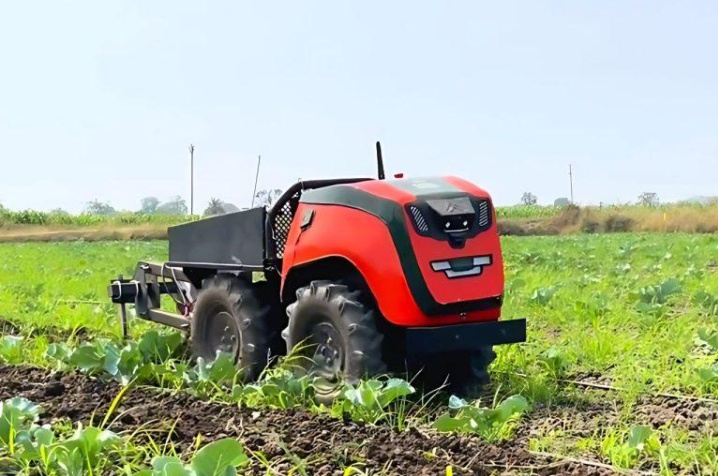
FarmSathi’s main technological breakthrough lies in its specialized electric robo tractors and robotic machines. These smart systems are built to fully automate some of the most labor-intensive tasks on the field:
Multi-Purpose Agriculture:
A single robot can seamlessly switch between crucial operations like spraying, cultivation, tilling, and weeding.
Zero Fuel Costs:
Because these machines run entirely on electricity, farmers can bypass volatile diesel prices, drastically lowering their daily operational expenses.
Eco-Friendly Practices:
Operating on electric power means zero carbon emissions on the field, supporting cleaner, healthier, and pollution-free farming environments.
High Precision, Less Waste: Driven by AI and precision agriculture techniques, these robots apply fertilizers and pesticides with pin-point accuracy, protecting crops while reducing chemical waste.
Key Feature : Making Tech Affordable via "Robotics-as-a-Service (RaaS)"
Advanced robotics can easily carry a hefty price tag, making ownership a distant dream for small and medium-scale farmers. To solve this financial barrier, FarmSathi introduced its disruptive Robotics-as-a-Service (RaaS)** model:
Pay-Per-Use Flexibility:
Farmers don’t need to buy the expensive machinery outright. Instead, they can simply hire robotic farming services from FarmSathi whenever their fields require it.
The Franchise/Rental Model:
Local entrepreneurs and service providers can purchase the robotic equipment and offer rental-based services to nearby communities.
Democratizing Tech:
This clever model ensures that even the smallest farms get access to cutting-edge farm mechanization without the burden of upfront capital investments or high technology adoption barriers.